How to Use Contrast Showers to Speed Up Post-Workout Healing
10 April 2026
When you're working hard in the gym, pushing your limits, and chasing those fitness goals, your muscles take a beating. Soreness? Oh yeah, that’s guaranteed. But here’s the good news—there’s a simple, science-backed recovery hack that can help you bounce back faster: contrast showers.
If you’ve never heard of them, don’t worry—you’re about to learn everything you need to know. By the time you’re done reading, you’ll have a brand-new recovery tool to add to your routine.
So, what exactly are contrast showers, and how do they help muscle recovery? Let’s dive in. 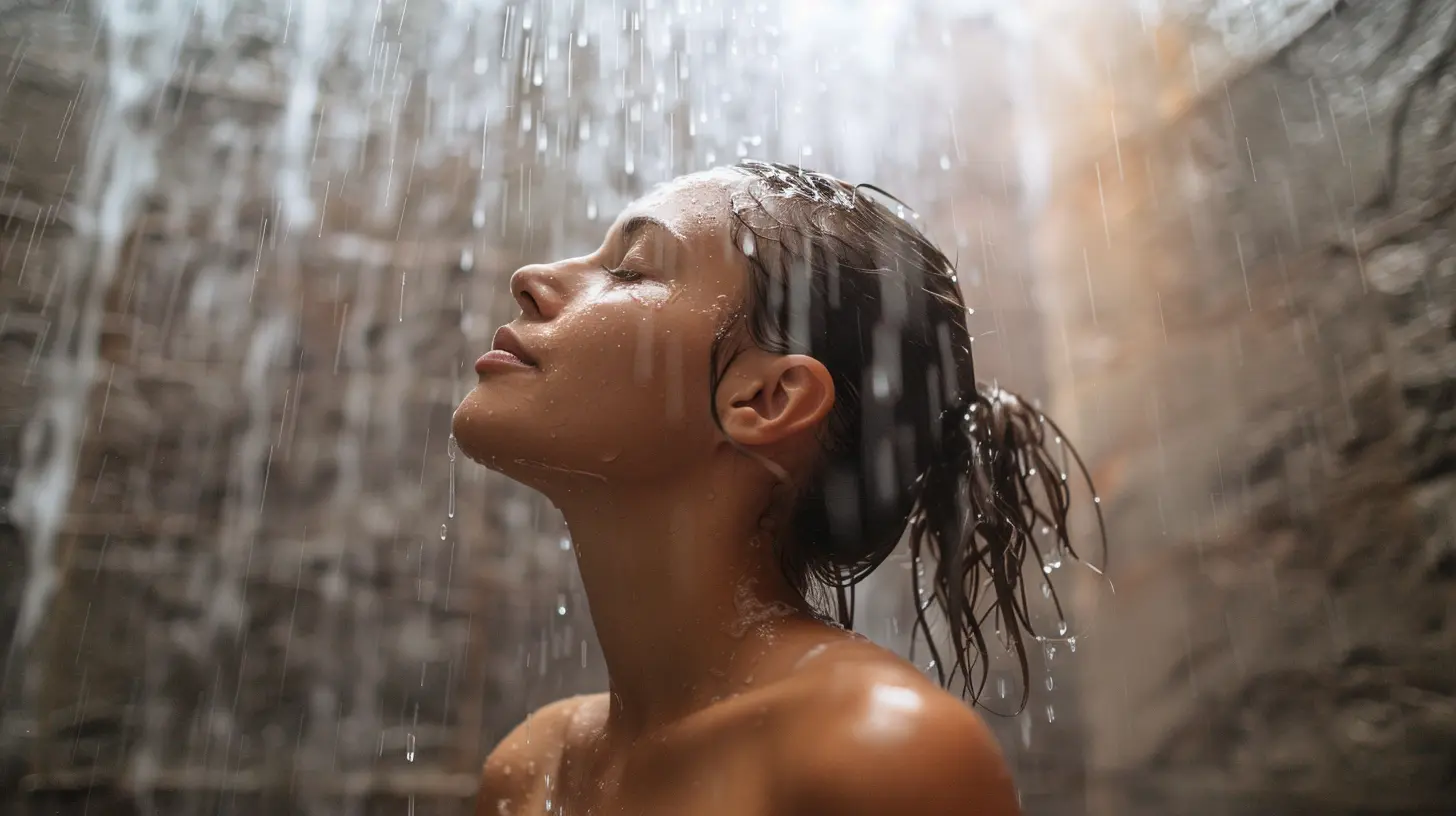
What Are Contrast Showers?
Contrast showers are a recovery technique that involves alternating hot and cold water on your body. Essentially, you switch between warm water (to relax muscles) and cold water (to reduce inflammation).Think of it like a massage for your blood vessels—hot water makes them expand, cold water makes them contract. This process helps improve circulation, flush out toxins, and reduce muscle soreness.
Athletes, bodybuilders, and even physical therapists swear by contrast showers for their incredible healing benefits. And the best part? You don’t need expensive gear or fancy recovery tools—just your shower! 
Why Contrast Showers Help with Post-Workout Recovery
If you’ve ever stepped into an ice bath, you know how intense cold therapy can feel. Contrast showers give you similar benefits without the full-body shock of plunging into icy water.1. Improves Blood Circulation
Switching between hot and cold water encourages better blood flow. Warm water dilates blood vessels, allowing oxygen-rich blood to reach tired muscles. Cold water constricts vessels, helping flush out metabolic waste and toxins.2. Reduces Muscle Soreness
You know that awful next-day soreness (DOMS – Delayed Onset Muscle Soreness) after a killer leg day? Contrast showers can help minimize it by reducing inflammation and swelling. The cold water soothes inflamed tissues, while the hot water relaxes tense muscles.3. Speeds Up Recovery
By improving circulation and reducing swelling, contrast showers help your body recover faster from workouts. This means less time dealing with sore muscles and more time training hard.4. Boosts Your Immune System
Cold exposure has been linked to improved immune function. So while you’re aiding muscle recovery, you’re also helping your body defend itself from sickness. Win-win!5. Helps with Mental Toughness
Let’s be honest—standing under freezing water isn’t exactly comfortable. But pushing yourself to do it can build mental resilience. If you can handle a cold shower after a brutal workout, what else can you conquer?
How to Take a Contrast Shower for Post-Workout Recovery
Alright, so you’re convinced. But how do you actually do a contrast shower? Let’s break it down step by step.Step 1: Start with Warm Water (2-3 minutes)
Turn the shower to a comfortable warm temperature. Not scalding hot—but warm enough to feel soothing. Let the water hit your sore muscles, relax, and enjoy the heat for two to three minutes.Step 2: Switch to Cold Water (30-60 seconds)
Now comes the tough part. Turn the water to as cold as you can tolerate. It’s going to sting a little (okay, maybe a lot)—but that’s the point. Stand under the cold water for at least 30 seconds (try to reach a full minute).Step 3: Repeat 3-5 Cycles
Switch back to warm water, then cold again. Repeat this process three to five times. The more cycles you do, the better the benefits.Step 4: Always End on Cold
This is key! Finish your contrast shower with a cold cycle to help lock in the recovery benefits, reduce inflammation, and wake up your nervous system.Step 5: Dry Off and Warm Up
Once you're out, dry off quickly and get dressed in warm clothes. You don’t want to be shivering for the next hour!
How Long Should a Contrast Shower Last?
A full contrast shower should take around 5-10 minutes. If you’re in a rush, aim for at least three contrast cycles—even a short session can make a difference!Who Should Use Contrast Showers?
Contrast showers aren’t just for hardcore athletes—anyone pushing their body can benefit.✔ Weightlifters & Bodybuilders – Helps reduce post-workout soreness and increase muscle recovery.
✔ Runners & Endurance Athletes – Great for improving circulation and reducing leg fatigue.
✔ Weekend Warriors – If you’re hitting the gym or playing sports casually, contrast showers can speed up recovery.
✔ People with Sore Muscles – Even if you’re not working out, contrast showers can ease muscle stiffness.
Additional Tips for Maximum Recovery
Want to take your recovery to the next level? Here are a few extra tips:1. Hydrate Well
Water helps flush out toxins and keeps your muscles hydrated. Drink plenty of fluids before and after your shower.2. Pair It with Foam Rolling
Contrast showers work even better when combined with foam rolling or stretching. Roll out those tight spots before hopping in the shower.3. Include Magnesium
Magnesium-rich foods or supplements can help relax your muscles and improve recovery. Add bananas, spinach, or a magnesium supplement to your diet.4. Try Deep Breathing
Feeling overwhelmed by the cold water? Focus on deep, controlled breathing. It can help calm your nervous system and make the experience easier.Are There Any Risks?
For most people, contrast showers are completely safe. However, if you have heart conditions, blood pressure issues, or circulatory disorders, check with your doctor first. Sudden temperature changes can be a bit extreme for those with cardiovascular problems.Also, avoid extreme temperatures—scalding hot water can damage your skin, and freezing cold water can be too harsh if you’re sensitive to cold. Find a balance that works for you.
Final Thoughts
Sore muscles don’t have to ruin your post-workout vibe. With contrast showers, you can speed up your recovery, boost circulation, and reduce muscle soreness—all in just a few minutes a day!It’s a simple, effective, and low-cost way to enhance your recovery without complicated routines or pricey gear. So, next time your muscles feel like jelly after a workout, step into the shower and give this recovery trick a shot!
Who knows? It might just become your new favorite post-workout ritual.
all images in this post were generated using AI tools
Category:
Post Workout RecoveryAuthor:

Holly Ellison
Discussion
rate this article
2 comments
Lacey Gomez
I'm fascinated by the idea of contrast showers for recovery! How do the temperature changes specifically affect muscle repair? Are there optimal durations for hot and cold phases to maximize benefits? Excited to learn more!
April 17, 2026 at 4:47 PM
Holly Ellison
Contrast showers boost circulation and help reduce muscle soreness. Aim for 30 seconds of hot followed by 30 seconds of cold, repeating a few times. This alternation can enhance recovery and decrease inflammation. Glad you're interested!
Carmen Wyatt
I’m intrigued by the concept of contrast showers! How exactly do the alternating temperatures promote recovery? Could integrating this method into my routine really enhance my post-workout healing? Looking forward to experimenting with this technique!
April 14, 2026 at 4:31 AM
Holly Ellison
Contrast showers boost circulation and reduce muscle soreness by alternating hot and cold water. This change in temperature can help flush out toxins and promote healing. Integrating them into your routine may enhance your recovery... give it a try and see how you feel!