How to Transition Smoothly to a Fiber-Rich Lifestyle
17 March 2026
Let’s be real—diet changes are hard. Whether you're trying to eat cleaner, ditch the sugar, or go plant-based, it’s never as easy as snapping your fingers and suddenly craving broccoli over brownies. The same goes for ramping up your fiber intake. But guess what? Transitioning to a fiber-rich lifestyle doesn’t have to be overwhelming or bland.
In fact, once you understand how fiber works, what it does for your body, and how to add it to your diet without flipping your life upside down, it becomes a game-changer. So, if your gut’s been giving you attitude or your energy levels are in the gutter, it might be time to show a little love to your digestive system—with fiber.
Let’s unpack how to transition smoothly to a fiber-rich lifestyle step by step (without turning your stomach into a battleground).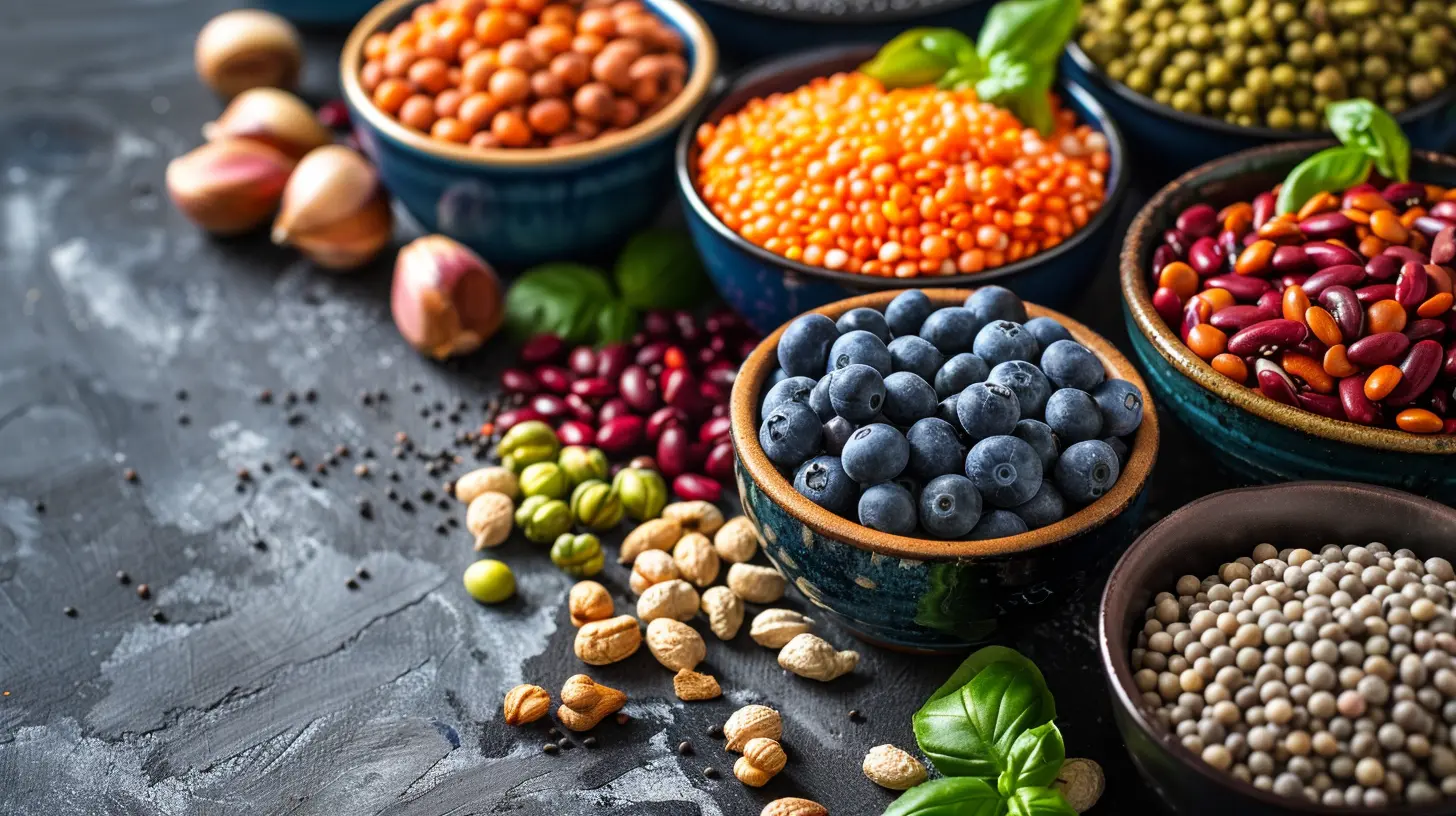
Why Fiber Deserves the Spotlight
Before diving into the “how,” let’s chat about the “why.” Fiber often flies under the radar, but this unsung hero plays a major role in keeping your body running like a well-oiled machine.What Is Fiber Anyway?
Fiber is a type of carbohydrate, but unlike regular carbs, your body can’t actually digest it. Sounds weird, right? But that’s the magic. It passes through your digestive tract mostly intact, doing some pretty incredible things along the way:- Keeps your bowel movements regular (say goodbye to constipation)
- Helps control blood sugar levels
- Lowers cholesterol
- Feeds the good bacteria in your gut (hello, better immunity!)
- Keeps you fuller longer—hello, weight management!
There are two main types:
- Soluble fiber: dissolves in water and forms a gel-like substance. Found in oats, beans, apples, citrus fruits.
- Insoluble fiber: doesn’t dissolve in water, helps food pass more quickly through the stomach and intestines. Found in whole grains, nuts, cauliflower, green beans.
Both types are important, so aim for a bit of each in your day.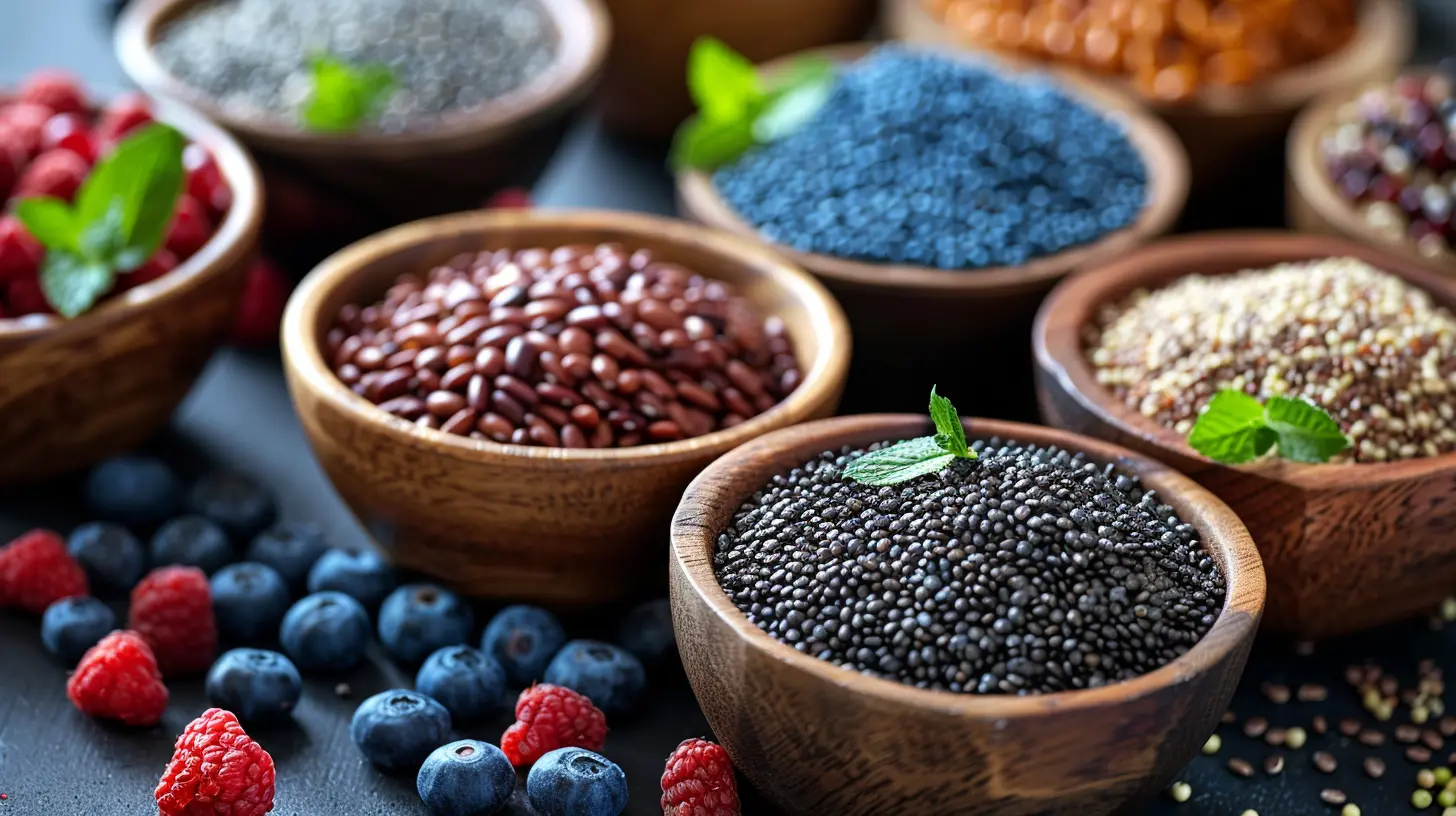
How Much Fiber Do You Really Need?
Let’s crunch some numbers (don’t worry, not literally yet):- Women: Around 25 grams per day
- Men: Around 38 grams per day
But most people? They're clocking in at barely half of that. No wonder so many of us are bloated, cranky, and spending way too much time in the bathroom.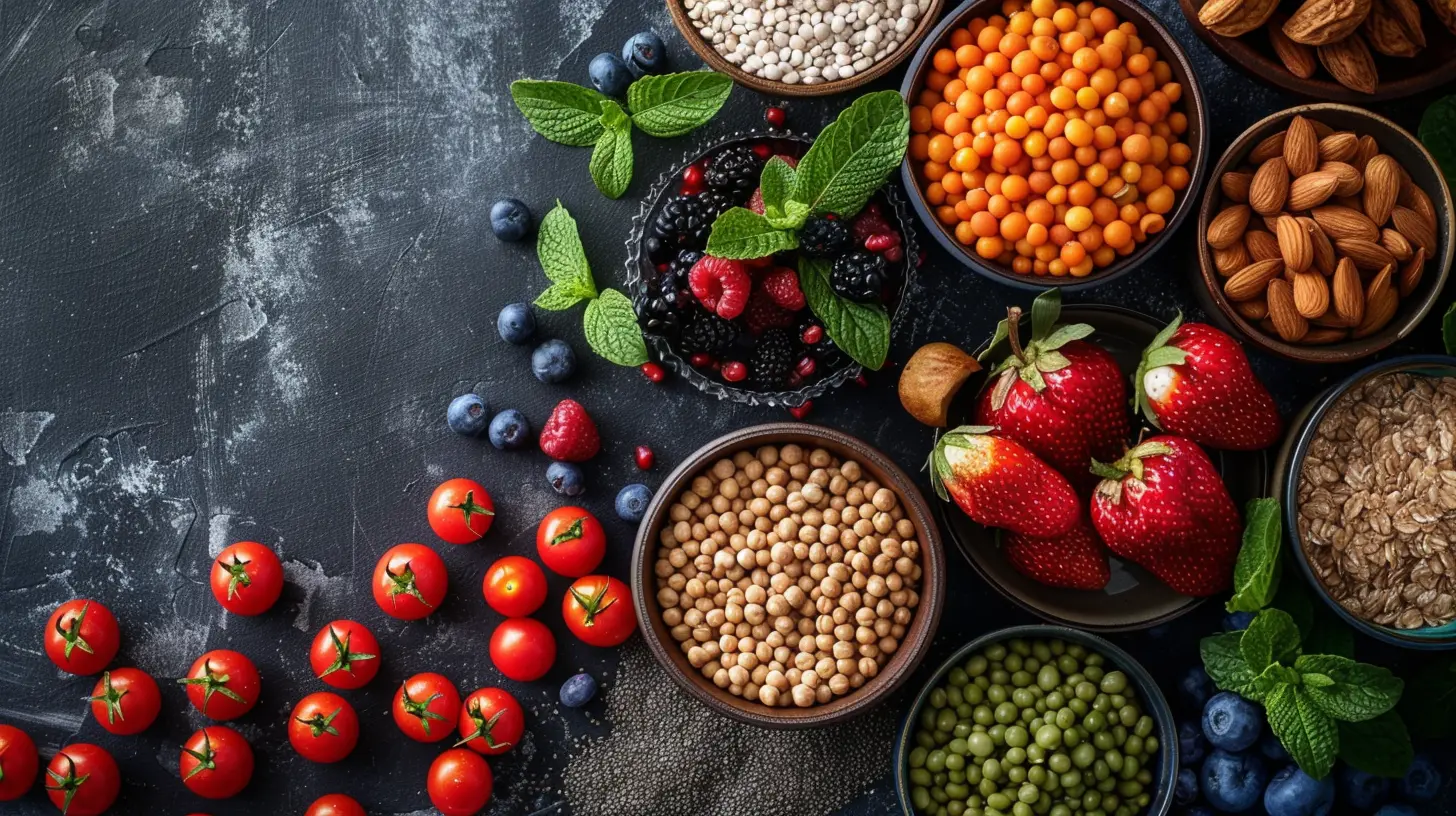
Step-by-Step Guide to Transition to a Fiber-Rich Lifestyle
Changing anything about what you eat can feel like a lot. But with a little planning and a few clever swaps, you can make the ride smoother than your favorite smoothie.1. Start Slow—Seriously
Jumping from 10 grams a day to 30 overnight? Yeah, not a good idea. Your gut might throw a full-blown protest (we’re talking gas, bloating, and cramping). Go slow and easy.Pro tip: Add just 5 extra grams of fiber every few days. Track how your body feels and adjust as needed.
2. Drink More Water (No, Really)
Fiber is like a sponge—it soaks up water. Without enough fluids, it can actually backfire and make you more constipated. Yikes.Rule of thumb: For every increase in fiber, up your water intake. Aim for 8-10 glasses a day, minimum.
3. Fiber Up Your Breakfast
Breakfast is the perfect meal to sneak in a fiber boost without much effort.Easy swaps:
- Trade your sugary cereal for steel-cut oats or high-fiber bran flakes
- Add chia seeds or ground flaxseeds to smoothies
- Top Greek yogurt with berries and a sprinkle of high-fiber granola
You’ll kick off your day feeling fuller and more satisfied.
4. Go Whole (Grain, That Is)
Ditch the white bread and embrace whole grains. They’re richer in fiber and nutrients—and trust me, your taste buds will adjust quickly.Try this:
- Sub white rice with quinoa, farro, or brown rice
- Choose 100% whole grain or sprouted bread
- Pick whole grain pasta—it’s got a bite and is super satisfying
5. Make Friends with Fruits and Veggies
Fruits and vegetables are fiber powerhouses. The trick? Eat them whole whenever possible. Juicing strips away most of the fiber (sorry, juice lovers).Simple ways to sneak ‘em in:
- Snack on raw carrots, bell peppers, and celery
- Add spinach or kale to soups, omelets, or sandwiches
- Grab an apple or pear with the skin for a fiber-rich snack on the go
Don’t forget legumes either—beans, lentils, and chickpeas are fiber royalty.
6. Read Labels Like a Pro
Not all “whole grain” labels are created equal. Some foods are marketed as healthy but are really just fancy processed snacks.Look for:
- At least 3-5 grams of fiber per serving
- Ingredients starting with “whole” (e.g., whole grain wheat, whole oats)
- Lower sugar alongside higher fiber (they balance each other out)
If you’re unsure, compare brands—some granola bars have more fiber than others and way less sugar.
7. Snack Smart
Ditch the chips-and-dip for snacks that actually do something for your body.Smart fiber-rich snacks:
- A handful of almonds or pistachios
- A banana with natural peanut butter
- Popcorn (yes, it’s a whole grain!)
- Hummus with raw veggies
These snacks keep you full between meals and help you hit your fiber goals without even trying.
8. Upgrade Your Comfort Foods
Eating fiber doesn’t mean ditching your favorite meals—it’s all about upgrading them.Ideas:
- Add black beans to tacos or chili
- Mix lentils into spaghetti sauce or stews
- Use mashed cauliflower with potatoes for a fiber-rich twist
- Opt for veggie-loaded pizza or casseroles
You’re not saying goodbye to flavor—you’re adding depth, texture, and a health kick.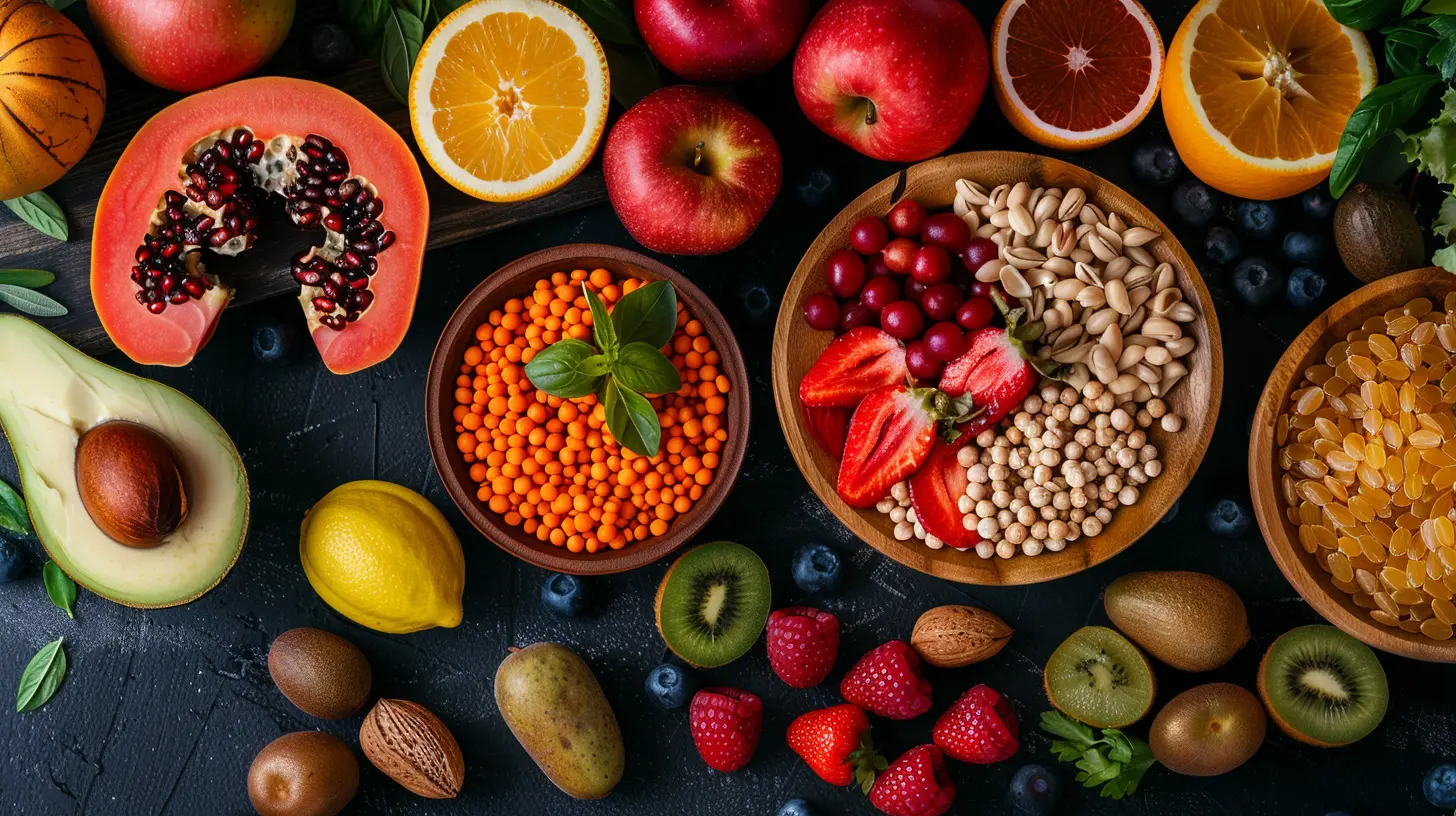
Fiber and Gut Health: The Ultimate Power Duo
Here’s where things get science-y (but still cool). Your gut is home to trillions of bacteria. When you eat fiber, especially certain types like prebiotics, you’re actually feeding those good bacteria.The result? Better digestion, reduced inflammation, a stronger immune system—even better mood and brain function.
If you’ve been feeling “off,” chronic fatigue, or sluggish digestion, your gut might be crying out for more fiber. Give it that TLC—it’ll reward you in more ways than one.
Common Roadblocks (And How to Dodge Them)
“I feel bloated when I eat more fiber!”
Totally normal—especially at first. That’s your gut adjusting. Just slow down your increase and drink plenty of water.“Fiber makes me gassy.”
Yep, some foods (like beans) bring the bloat. Start with small portions and build up. You can also try soaking or rinsing canned beans to make them easier to digest.“I don’t have time to prep all these veggies!”
Totally get it. Use shortcuts:- Pre-cut or frozen veggies
- Canned beans (just rinse them!)
- Ready-made high-fiber snacks
You can even batch-cook lentils, grains, or soups and freeze them.
Meal Ideas to Get You Started
Here are a few meal ideas that pack a fiber punch:Breakfast
- Overnight oats with chia seeds, banana, and berries
- Whole grain toast with avocado and hemp seeds
Lunch
- Quinoa salad with chickpeas, cucumbers, cherry tomatoes, and olive oil
- Lentil soup with a side salad
Dinner
- Stir-fry with tofu, broccoli, snap peas, and brown rice
- Turkey chili with black beans and corn
Snacks
- Apple slices with almond butter
- Trail mix with nuts, seeds, and dried fruit
- Veggie sticks with hummus
Keep It Sustainable
The key to making this lifestyle stick? Don’t turn into the “fiber police.” It’s okay to treat yourself. Just aim for progress, not perfection.Remember: You’re not on a diet. You’re building a way of eating that supports your energy, digestion, and long-term health.
Make small changes. Stack your wins. Before you know it, you’ll be that person who actually craves lentils—and means it.
Final Thoughts
Jumping into a fiber-rich lifestyle might seem like a big shift, but it doesn’t have to be complicated or miserable. Start small, make easy swaps, and pay attention to how your body feels. Fiber is more than just roughage—it’s fuel, medicine, and your gut’s best friend.As your energy picks up, your digestion smooths out, and you feel fuller longer, you’ll realize it’s not just about what you’re adding to your plate—it’s about how much better you feel living this way.
So grab that apple, toss some lentils in your soup, and drink your water. Your future self will thank you.
all images in this post were generated using AI tools
Category:
Fiber Rich DietAuthor:

Holly Ellison
Discussion
rate this article
2 comments
Valentina McConkey
Great tips! Excited to boost my fiber intake and feel healthier every day!
April 8, 2026 at 4:37 PM
Holly Ellison
Thank you! I’m glad you found the tips helpful—enjoy your journey to a healthier, fiber-rich lifestyle!
Marni Frye
Great tips! Transitioning to a fiber-rich lifestyle can be challenging, but your practical advice on gradual changes and meal planning makes it manageable. I appreciate the emphasis on whole foods and hydration!
March 22, 2026 at 4:13 PM
Holly Ellison
Thanks for your feedback! I'm glad you found the tips helpful. Transitioning can be tough, but small changes make a big difference. Happy eating!