How to Reduce Inflammation After Childbirth for Faster Recovery
5 September 2026
Bringing a new life into the world is nothing short of miraculous. But let’s be honest—your body has been through a battlefield. Swollen feet, aching joints, and that deep, internal tenderness? That’s inflammation, and it’s your body’s way of dealing with the trauma of childbirth.
But here’s the thing—letting that inflammation linger can make your recovery feel like it’s dragging on forever. So, what if I told you there are ways to speed up healing and get back to feeling like yourself again? Keep reading because we’re about to uncover the secrets to reducing inflammation post-childbirth for a faster, smoother recovery. 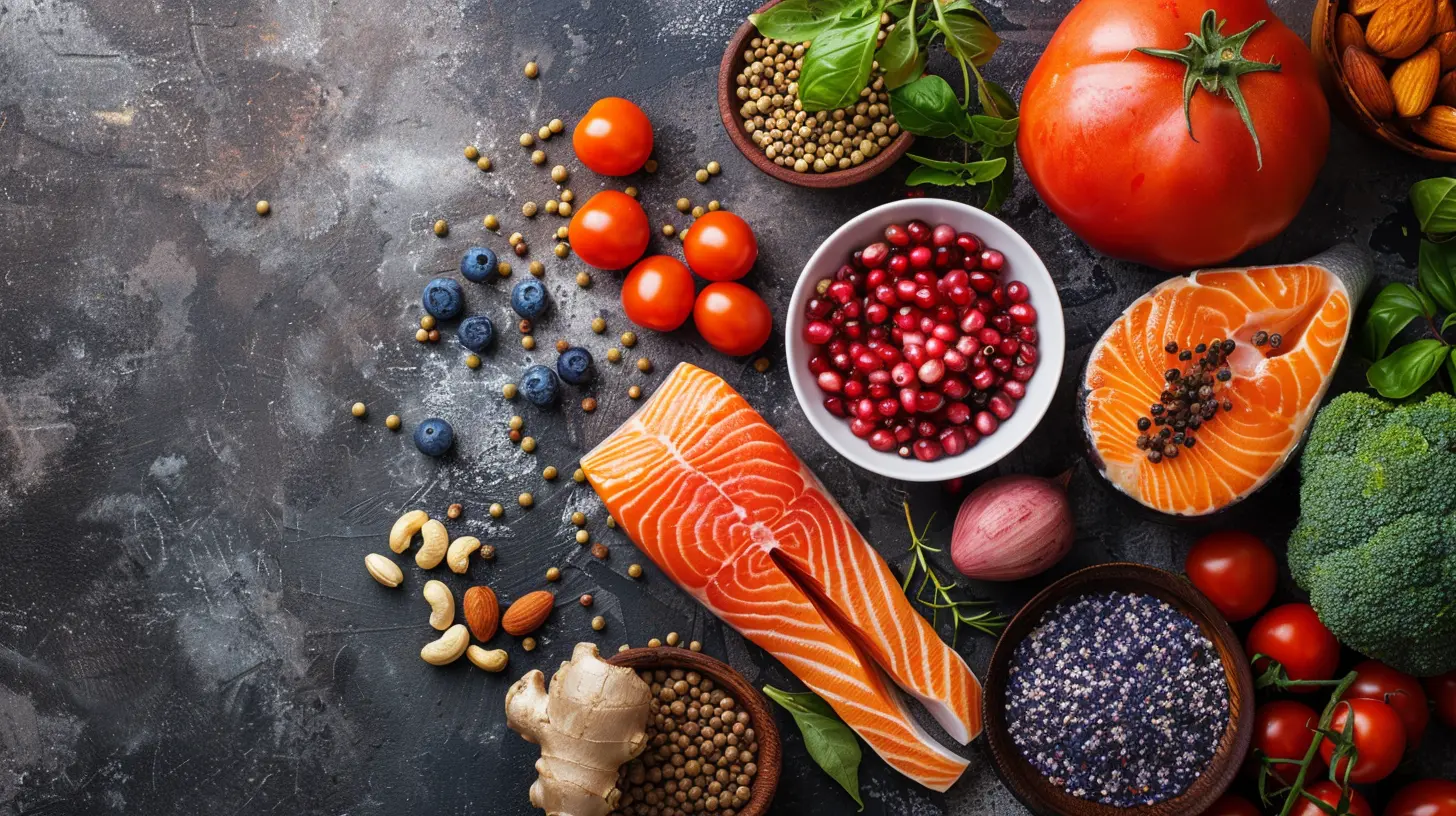
Understanding Postpartum Inflammation
Inflammation is your body’s natural defense mechanism. After childbirth, whether you’ve had a vaginal delivery or a C-section, your body is working overtime to repair tissues, fight off infections, and restore balance.However, excessive or prolonged inflammation can delay healing, cause discomfort, and even lead to complications like postpartum depression or chronic fatigue. So, the goal here is not to eliminate inflammation altogether—that would be like shutting down your immune system—but rather to manage it effectively so your body heals efficiently. 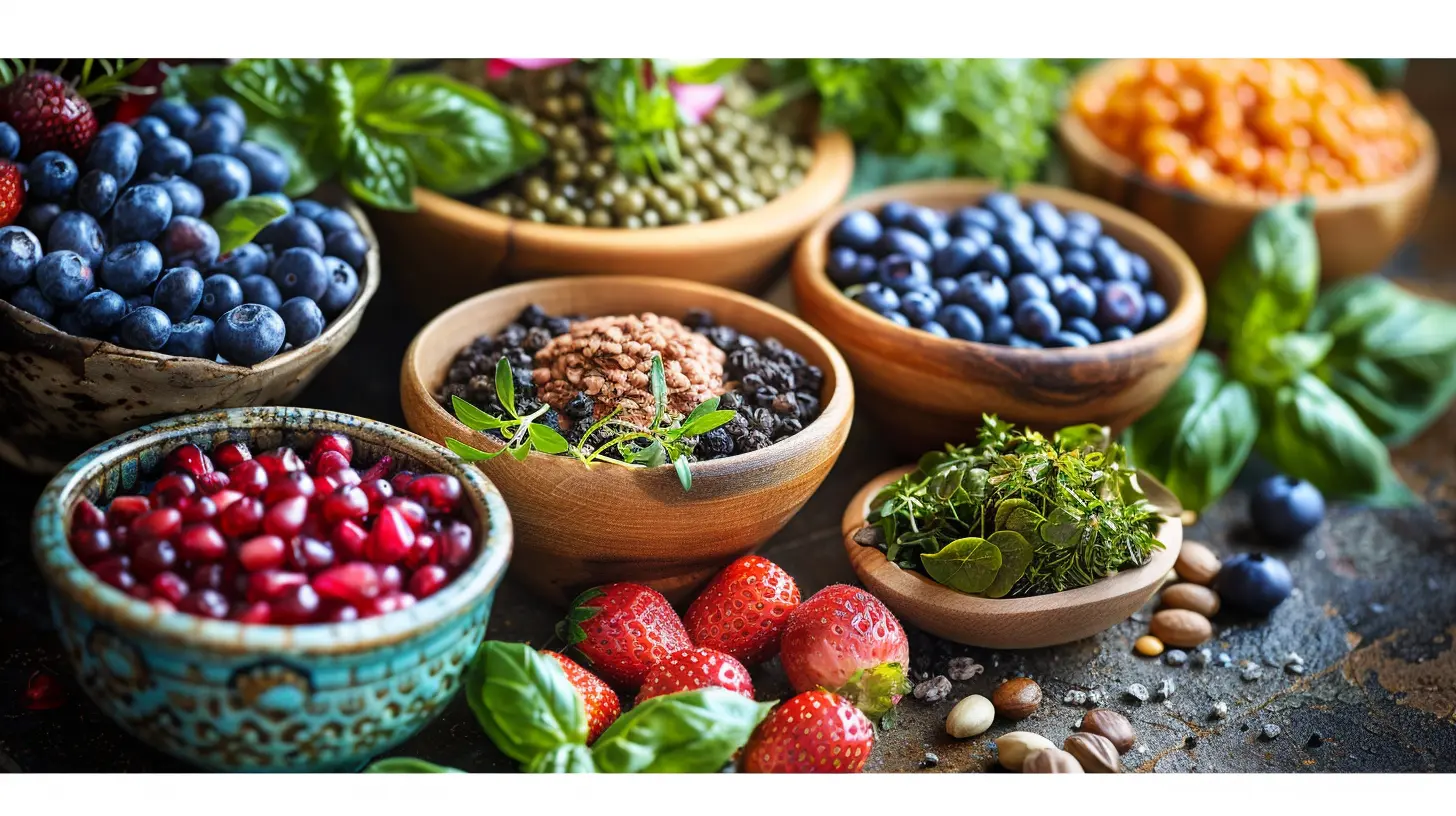
Natural Ways to Reduce Inflammation After Childbirth
Reducing inflammation doesn’t require fancy treatments or expensive medications. Your body responds well to natural remedies, lifestyle adjustments, and a little bit of self-care.1. Nourish Your Body with Anti-Inflammatory Foods
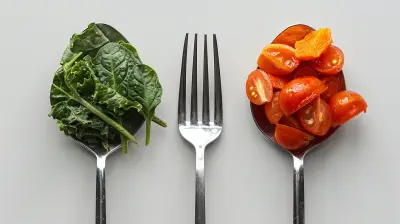
You are what you eat, and postpartum recovery starts from within. Filling your plate with the right nutrients can do wonders for healing.- Omega-3 Fatty Acids – Found in salmon, flaxseeds, and walnuts, these healthy fats fight off inflammation like warriors.
- Turmeric & Ginger – These two are like the superheroes of anti-inflammatory foods. Add them to your tea, soups, or even warm milk for faster healing.
- Leafy Greens & Berries – Packed with antioxidants, they help your body repair damaged tissues.
- Bone Broth – Loaded with collagen and amino acids, it soothes inflammation and strengthens your body from the inside out.
A nutrient-rich diet isn’t just about healing—it’s about fueling yourself so you can take care of your little one with energy to spare.
2. Hydration: Your Secret Weapon
Water is life, quite literally. Your body needs hydration to flush out toxins and reduce swelling. Plus, if you’re breastfeeding, staying hydrated ensures a healthy milk supply.- Coconut water – Full of electrolytes, it keeps your body hydrated and helps reduce bloating.
- Warm herbal teas – Chamomile, fennel, and dandelion tea support digestion and fight inflammation.
- Lemon water – A simple yet powerful detox that reduces acidity and promotes healing.
Keep a water bottle nearby at all times—you’d be surprised how easy it is to forget to drink enough when you're busy with a newborn!
3. Prioritize Rest and Sleep
Easier said than done, right? Sleep deprivation is practically a rite of passage for new moms. However, rest is one of the most effective ways to reduce inflammation.- Sleep allows your body to repair tissues and regulate cortisol (the stress hormone that fuels inflammation).
- Even short power naps can help—whenever your baby sleeps, take advantage of that window.
- Consider laying down and elevating your legs to reduce swelling in your feet and ankles.
Rest isn’t just a luxury; it’s a necessity for your recovery.
4. Postpartum Movement: Gentle but Effective
While you shouldn’t jump back into intense workouts, gentle movement can actually reduce postpartum inflammation.- Short, slow walks – Increases circulation and prevents fluid retention.
- Postnatal yoga or stretching – Loosens stiff muscles and promotes healing.
- Deep breathing exercises – Activates your parasympathetic nervous system, reducing internal inflammation.
Think of movement as oiling a rusty machine—it keeps everything working smoothly and prevents stiffness.
5. Try Warm Compresses & Sitz Baths
For mothers recovering from vaginal birth, perineal swelling and discomfort can be relentless. Warm compresses and sitz baths can offer much-needed relief.- Epsom salt baths – Reduces inflammation and promotes relaxation.
- Witch hazel pads – Work wonders for soothing sensitive areas.
- Warm compress on your abdomen – Helps reduce postpartum cramping and swelling.
Taking a few minutes to soak in warm water isn’t just healing—it’s a moment of peace in the chaos of new motherhood.
6. Support Your Gut Health
A healthy gut means a stronger immune response and less inflammation. After childbirth, your gut bacteria might be out of balance, especially if you had antibiotics during labor.- Probiotics – Found in yogurt, kefir, and fermented foods, they keep your gut flora happy.
- Prebiotic-rich foods – Garlic, onions, and bananas help good bacteria thrive.
- Fiber-rich foods – Supports digestion and prevents postpartum constipation, which can worsen inflammation.
Healing starts in the gut—treat it well, and your whole body benefits.
7. Manage Stress to Calm Internal Inflammation
Ever notice how stress makes everything worse? That’s because chronic stress triggers inflammation and slows down healing. Managing stress postpartum is crucial.- Guided meditation or deep breathing – Lowers cortisol levels.
- Listening to calming music or nature sounds – Promotes relaxation.
- Journaling or talking to a friend – Helps process emotions.
Motherhood is overwhelming, but prioritizing your mental health can make recovery feel a whole lot smoother.
8. Herbal Remedies for Faster Healing
Nature has its own medicine cabinet, and many herbs help reduce inflammation naturally.- Arnica – Known for reducing swelling and bruising.
- Chamomile – Soothes both the body and mind.
- Calendula – A gentle healer for postpartum tears and wounds.
Always check with your doctor before trying new herbs, especially if you’re breastfeeding. 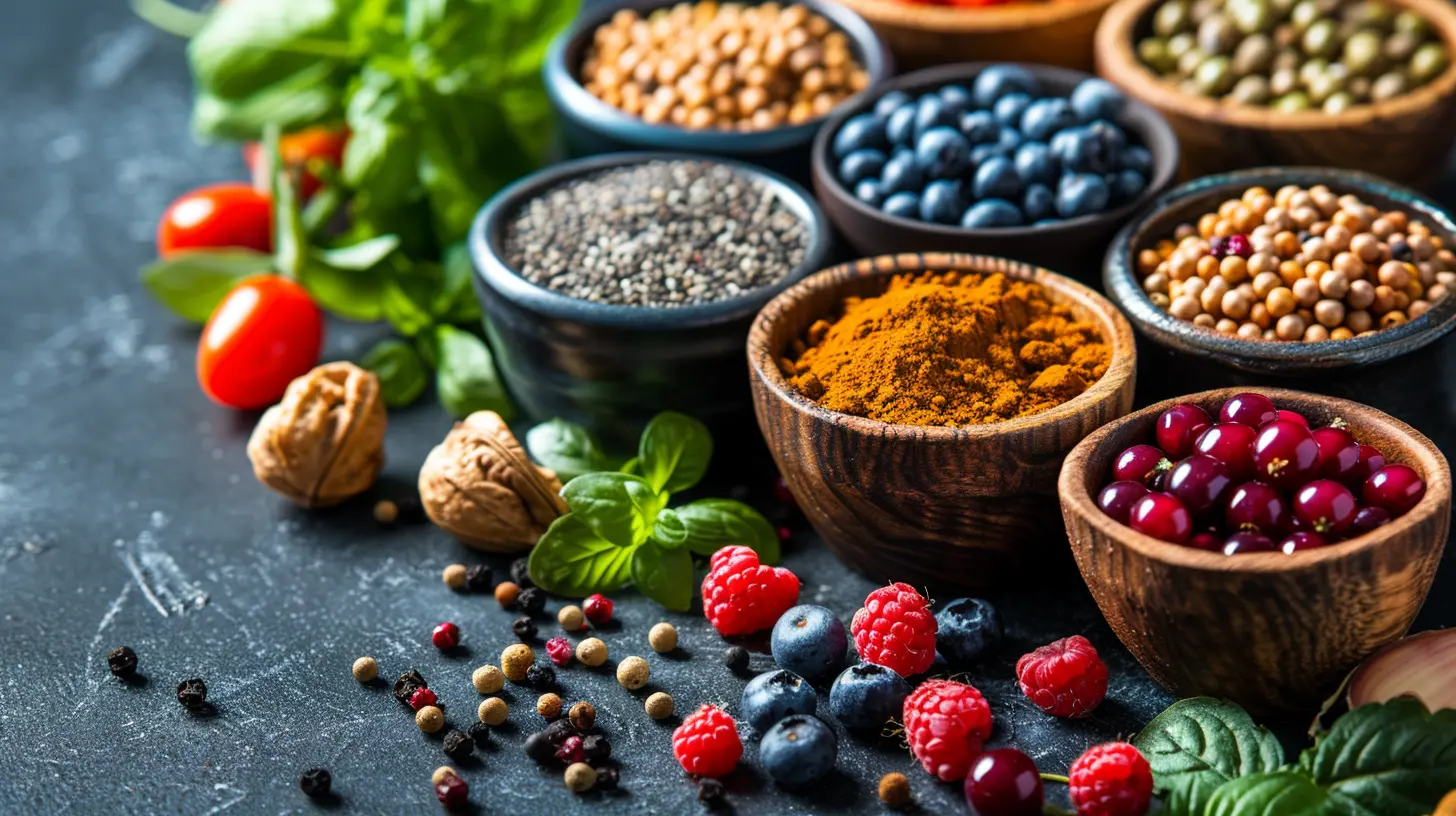
When to Seek Medical Help
While natural remedies can speed up recovery, it’s important to be aware of any warning signs. If you experience severe swelling, persistent pain, fever, foul-smelling discharge, or difficulty breathing, seek medical attention immediately. These could be signs of an infection or a more serious postpartum complication.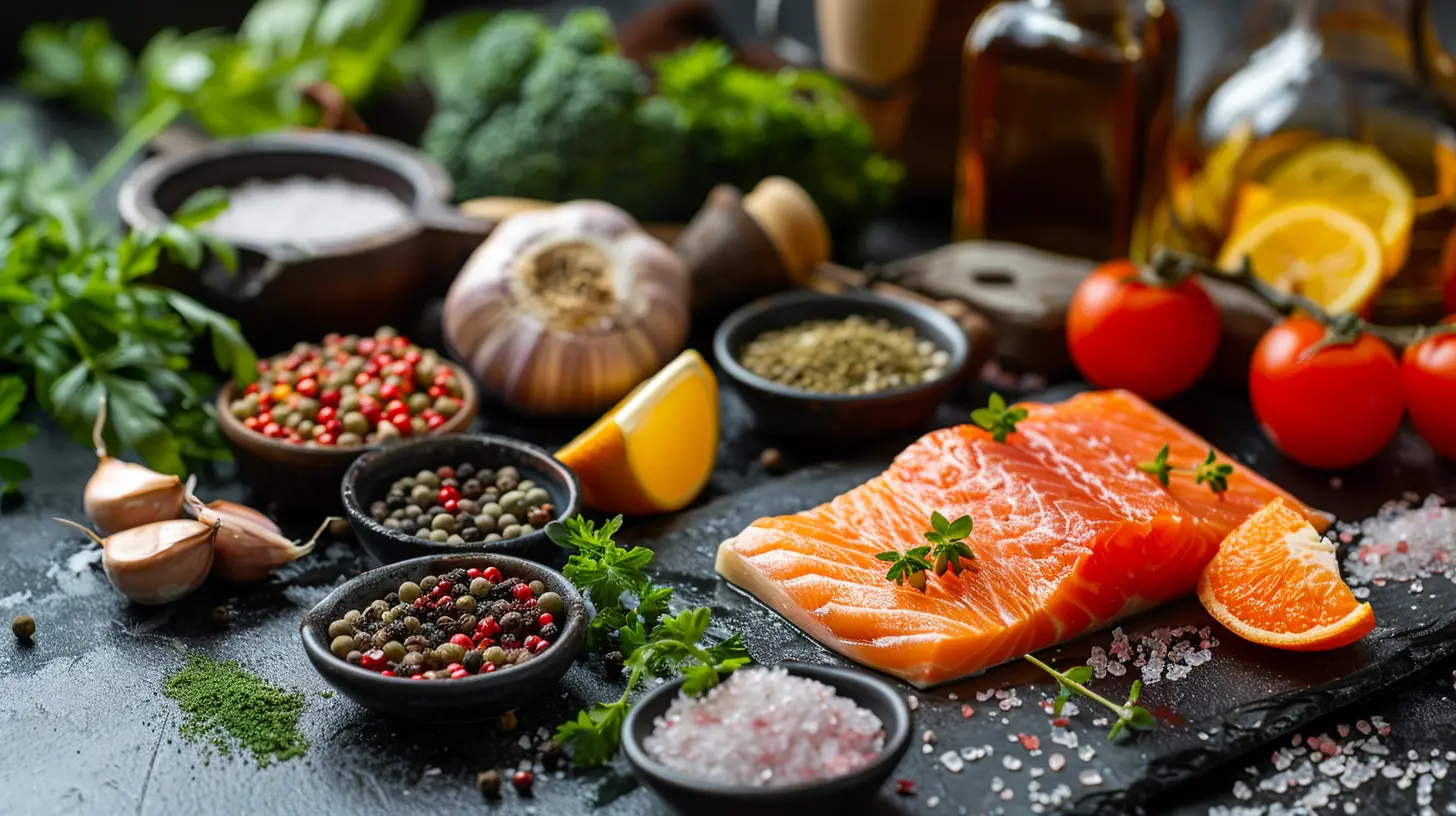
Final Thoughts
Inflammation after childbirth is normal, but that doesn’t mean you have to suffer through it unnecessarily. Small, mindful changes—like eating anti-inflammatory foods, staying hydrated, resting, and moving gently—can make a world of difference in how quickly your body recovers.Motherhood is already a whirlwind—you deserve to feel your best while caring for your little one. And remember, healing isn’t just physical; it’s mental and emotional too. Treat yourself with kindness, and give yourself the care you truly deserve.
all images in this post were generated using AI tools
Category:
Postpartum HealthAuthor:

Holly Ellison
Discussion
rate this article
2 comments
Briar McPhee
This article offers valuable insights for new mothers. The tips on reducing inflammation are practical and easy to follow. Thank you for sharing this important information to support postpartum recovery.
September 11, 2026 at 3:57 PM
Holly Ellison
Thank you for your kind words! I'm glad you found the tips helpful for postpartum recovery.
Calaris Chavez
This article offers practical tips for managing post-childbirth inflammation, emphasizing nutrition, hydration, and gentle exercise to promote quicker healing and overall well-being.
September 8, 2026 at 5:03 AM