How to Read Dairy and Meat Labels Without Feeling Overwhelmed
16 October 2026
Standing in the dairy aisle or hovering near a refrigerated meat case, you may feel a quiet pressure to decode a wall of claims. "Grass-fed." "No added hormones." "Pasture-raised." "rBST-free." "Cage-free." "Natural." Some of these terms are legally defined. Some are marketing language with almost no oversight. And a few sound meaningful but tell you nothing about how the animal was raised, what it ate, or how the product was processed.
The goal of this guide is not to turn you into a label lawyer. It is to help you build a mental filter so that you can scan a package in seconds, know which claims carry real weight, and ignore the ones designed to make you feel good without saying much.
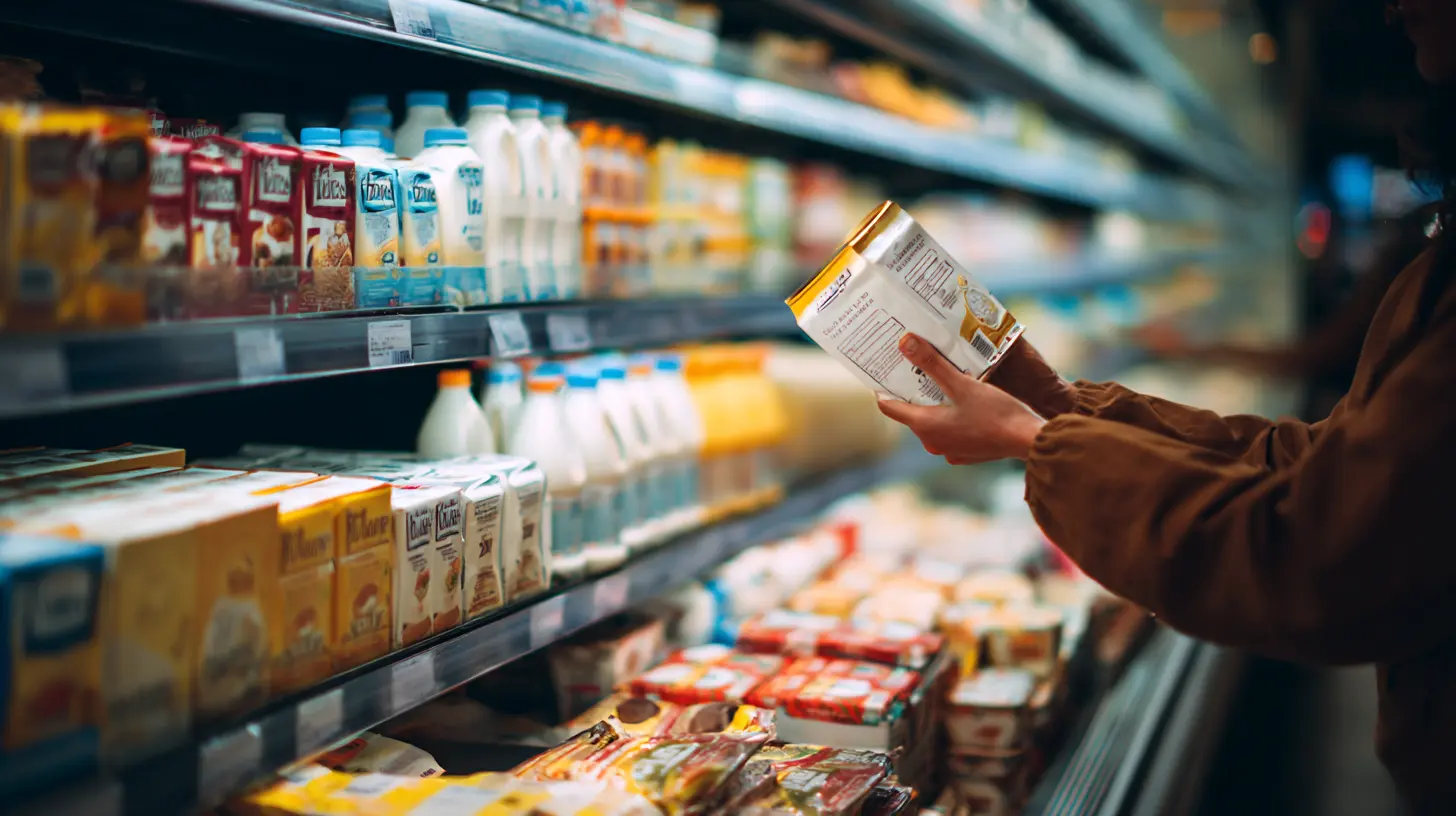
Why Labels Feel So Confusing in the First Place
Most confusion comes from a simple structural fact: labeling rules for meat and dairy are split across multiple agencies and programs, and many of the most prominent phrases on packaging are not regulated at all.In the United States, the USDA's Food Safety and Inspection Service oversees most meat and poultry labeling, including claims like "organic" (through the National Organic Program) and certain animal-raising claims. The FDA oversees dairy labeling in many contexts, plus standards of identity for products like milk, yogurt, and cheese. Add third-party certifiers, industry trade programs, and state-level rules, and you get a patchwork.
The result is a hierarchy of trustworthiness:
1. Legally defined and enforced terms (for example, "organic" under the USDA National Organic Program).
2. USDA-approved claims with specific verification requirements (for example, "no added hormones" for certain species).
3. Third-party certified claims (for example, Animal Welfare Approved, Certified Humane, or Global Animal Partnership steps).
4. Undefined or loosely defined marketing terms ("natural," "farm fresh," "wholesome").
Once you understand which bucket a term falls into, the overwhelm drops sharply. You stop treating every word on the package as equally meaningful.

The Core Principle: Separate What the Animal Ate, How It Lived, and What Was Done After
A useful mental model is to sort every claim into three categories:- Diet: What the animal ate (grass-fed, grain-finished, vegetarian-fed).
- Living conditions and treatment: How the animal was raised (pasture-raised, cage-free, free-range, certified humane).
- Processing and inputs: What happened after or was administered during production (no added hormones, no antibiotics, organic, minimally processed).
Why does this matter? Because a package can score well in one category and poorly in another, and the label rarely makes that trade-off obvious. A "grass-fed" label says something about diet but nothing about confinement, welfare audits, or antibiotic use. A "Certified Humane" label says something about treatment but not necessarily about what the animal ate. Knowing which question you actually care about is the first step to reading efficiently.
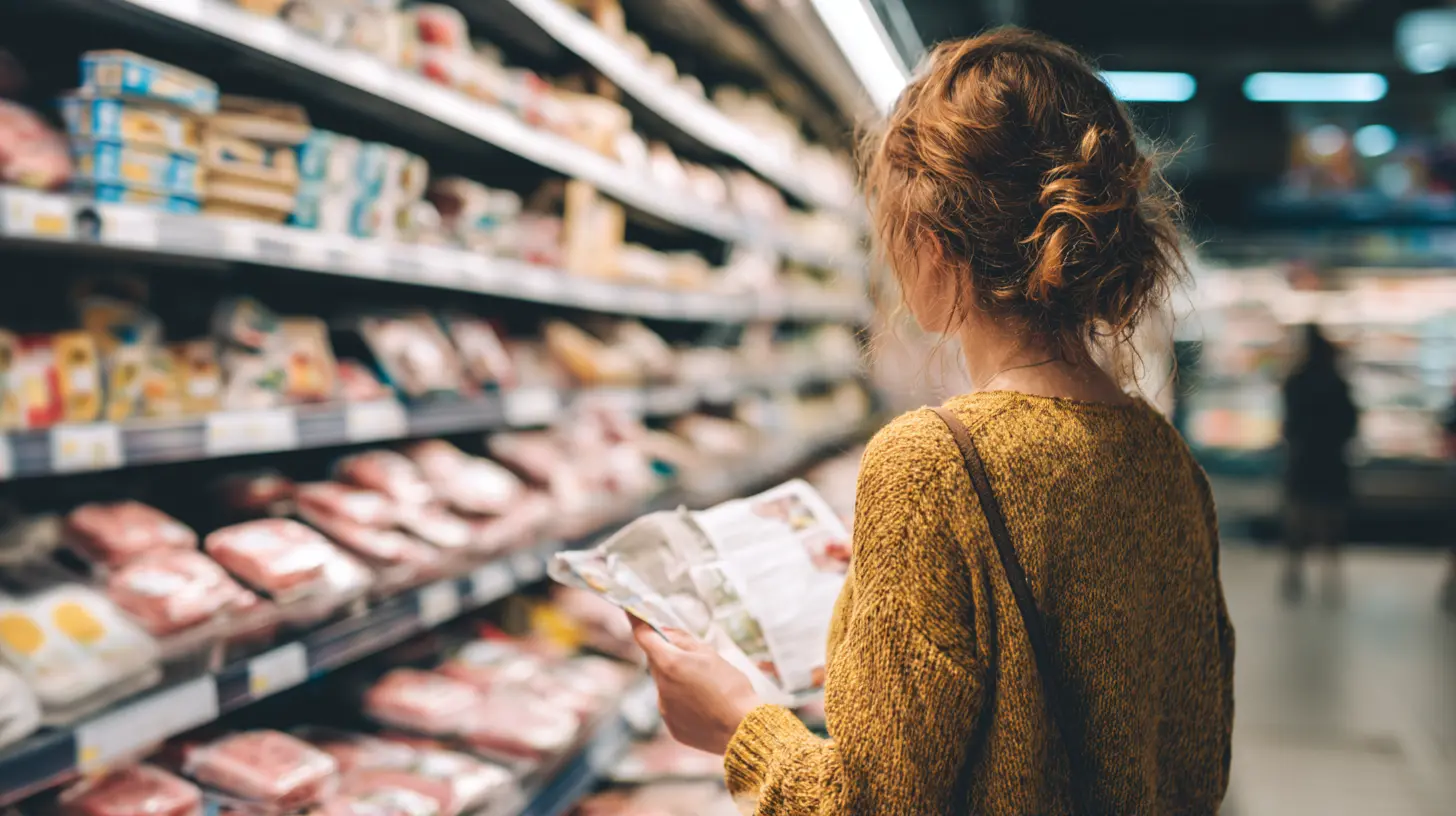
Decoding Dairy Labels
Dairy labels lean heavily on hormone and feed claims. Here is how to interpret the most common ones."No Added Hormones" and "rBST-Free"
In the U.S., recombinant bovine somatotropin (rBST), also called recombinant bovine growth hormone (rBGH), is a synthetic hormone given to some dairy cows to increase milk production. Milk from treated cows is not required to be labeled differently because the FDA has concluded there is no significant difference in the milk itself.If you see "no added hormones" or "rBST-free" on dairy, understand what it does and does not mean:
- It means the farmer has signed an affidavit stating they did not use rBST.
- It does not mean the milk is more nutritious, and it does not address animal welfare, pasture access, or antibiotic use.
- For dairy, "no added hormones" is essentially a production-choice claim, not a health claim.
This is a case where the label is accurate but often over-interpreted by shoppers. If your concern is animal treatment, this claim will not answer it.
"Organic" on Dairy
USDA Organic on dairy is one of the more substantive labels because it is legally defined and requires certification. Under the National Organic Program, organic dairy cows generally must:- Be raised on organic feed.
- Have access to pasture for at least part of the grazing season (specific rules apply).
- Not be treated with certain synthetic hormones or most antibiotics (with limited exceptions for sick animals, which then lose organic status).
Trade-offs to consider: organic certification costs money, and those costs pass to you. Also, "organic" is a floor, not a ceiling. It sets minimum standards but does not guarantee small farms, high-welfare handling, or superior nutrition. If animal welfare is your priority, an organic label plus a welfare certification is more informative than organic alone.
"Grass-Fed" on Dairy
"Grass-fed" sounds straightforward but varies. Some producers use it to mean cows eat mostly grass and forage year-round. Others use it to mean cows had some pasture access. The USDA does have a grass-fed standard for ruminant animals, but not all products carrying the phrase are verified against it.A practical tip: look for a third-party certifier logo, such as the American Grassfed Association, which audits feed and pasture practices. Without a certifier, "grass-fed" on dairy is closer to a marketing statement than a guarantee.
"Ultra-Pasteurized" and "Grade A"
These are processing and safety terms, not welfare or nutrition claims.- Grade A refers to sanitary standards for fluid milk.
- Ultra-pasteurized (UP) means the milk was heated to a higher temperature, giving it a longer shelf life. It changes flavor slightly and can affect some heat-sensitive nutrients, but it is primarily a convenience and safety feature.
Neither tells you anything about the cow. Do not confuse them with quality or ethics claims.
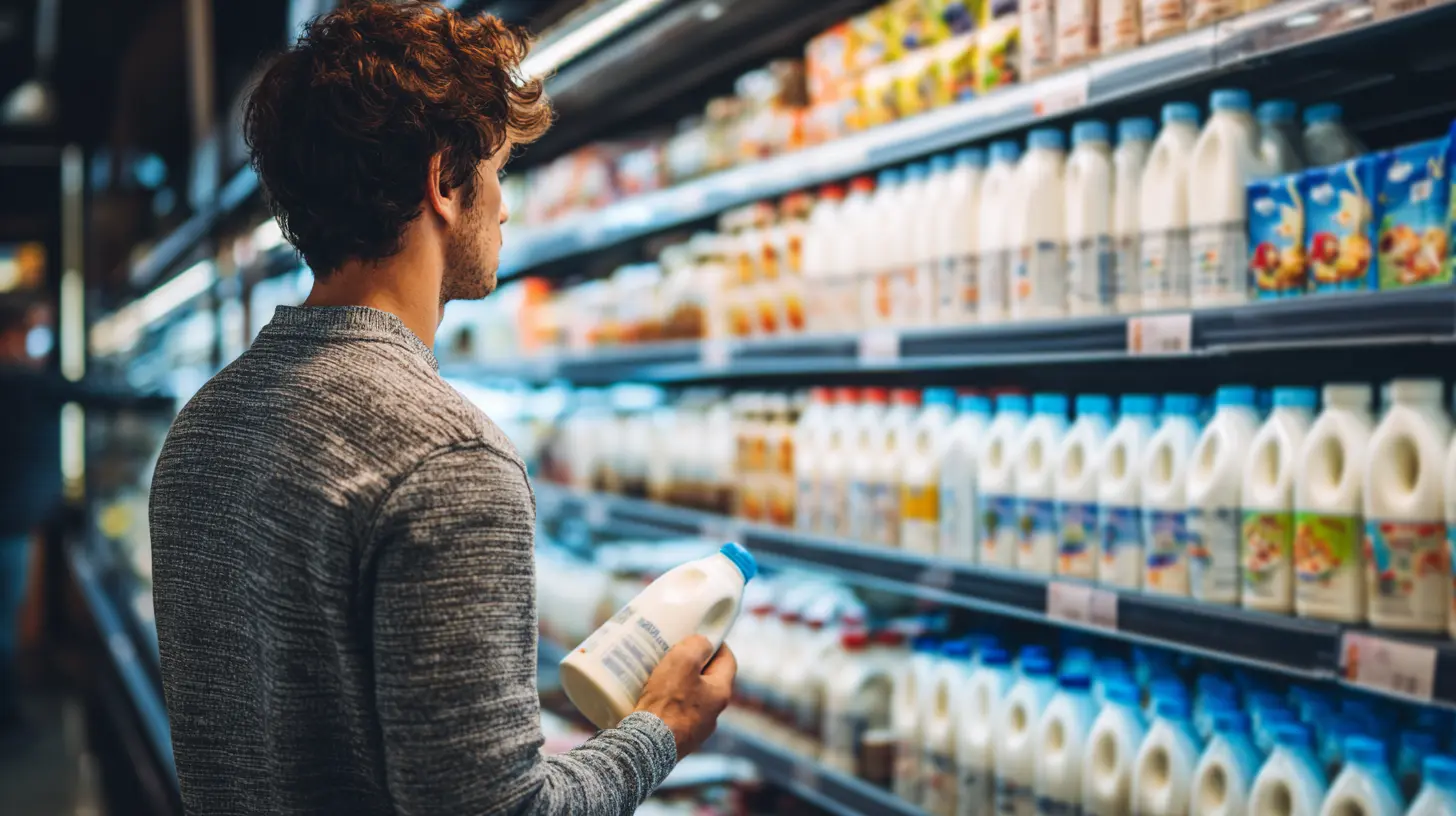
Decoding Meat Labels
Meat labels are more crowded and more contested. Here is a breakdown of the terms you will see most."Natural"
This is one of the weakest claims. For meat, "natural" generally means the product contains no artificial ingredients and is minimally processed. It says nothing about how the animal was raised, what it ate, or whether it received antibiotics or hormones.If a package leads with "natural" and little else, treat it as a processing statement, not a farming statement.
"No Added Hormones" on Beef
This claim is meaningful in a specific way. The FDA prohibits hormone use in poultry and pork, so "no added hormones" on chicken or pork is essentially redundant and often used to imply a difference that does not exist. For beef, however, hormone implants are common, so "no added hormones" or "no hormones administered" is a real production claim, typically backed by a producer affidavit.Key nuance: "no added hormones" does not mean "organic" and does not address antibiotics or living conditions.
"No Antibiotics Ever" vs. "Antibiotic-Free"
These are not the same.- No antibiotics ever (NAE) usually means the animal was never given antibiotics, including for illness. This is a strong claim, often third-party verified.
- Antibiotic-free is vaguer. It can mean no antibiotics were present in the final product, which is already required by law for sale. It can also be used loosely. Without a certifier, treat it with caution.
Why the distinction matters: if an animal gets sick, a strict NAE program may require it to be removed from the program rather than treated. Some shoppers see this as a welfare concern, while others see it as a resistance-prevention benefit. Both views are reasonable; the label itself will not resolve that trade-off for you.
"Grass-Fed" and "Grass-Finished" on Beef
This is where labels get genuinely useful if you read them carefully.- Grass-fed often means the animal ate grass at some point. Many cattle are grass-fed early in life and then moved to grain for finishing.
- Grass-finished or 100% grass-fed means the animal ate forage its entire life.
The difference affects fatty acid composition, particularly omega-3 levels, though the magnitude varies by study and diet. It also affects flavor and price. If you want the full forage diet, look for "grass-finished" or a certifier like the American Grassfed Association, which prohibits grain and requires pasture access.
"Pasture-Raised," "Free-Range," and "Cage-Free"
These terms apply mostly to poultry and eggs, but you will see them on some meat.- Cage-free means birds were not in cages. It does not mean they had outdoor access.
- Free-range typically means some outdoor access, but the amount, duration, and quality of that access are often undefined.
- Pasture-raised generally implies birds spent meaningful time on pasture. This is a stronger claim, especially when certified by a third party like Certified Humane or Global Animal Partnership.
A common mistake is assuming "cage-free" means "outdoors." It does not. If outdoor time matters to you, "pasture-raised" with a certifier logo is a better signal.
"Certified Humane" and "Animal Welfare Approved"
These are third-party programs with published standards covering space, enrichment, handling, and slaughter. They are not government labels, but they tend to be more specific than USDA-approved marketing claims.Trade-off: certification adds cost and may not be available for every product. If you cannot find a certified option, look for a producer with transparent practices rather than relying on a single word.
How to Read a Label in Under 30 Seconds
Here is a practical sequence you can use in the store.1. Find the certifier logos first. A third-party seal often tells you more than five front-of-package words.
2. Check the fine print for definitions. If "grass-fed" appears without a certifier, look for a definition on the back or side panel.
3. Separate diet, welfare, and processing claims. Ask which one you actually care about today.
4. Ignore redundant claims. "No added hormones" on chicken or pork, for example.
5. Look at the ingredients list for processed meats. For sausages, bacon, and deli meats, sodium, nitrates, and fillers matter more than welfare claims for many shoppers.
This sequence works because it prioritizes verified information over persuasive language.
Common Mistakes and Misconceptions
Mistake 1: Treating all claims as equally regulated. They are not. "Organic" is defined; "natural" is not.Mistake 2: Assuming "cage-free" means outdoor access. It does not.
Mistake 3: Believing "no antibiotics" is always better for the animal. It can mean sick animals are not treated. Context matters.
Mistake 4: Equating price with welfare. A high price often reflects branding, packaging, or distribution costs, not necessarily better farming.
Mistake 5: Ignoring the nutrition panel. For processed dairy and meat, sodium, saturated fat, and added sugars often matter more to health outcomes than the farming claim on the front.
What Actually Matters for Your Health
It is worth being honest about the evidence. For most people, the biggest health gains from dairy and meat choices come from:- Choosing minimally processed options over heavily processed ones.
- Managing total saturated fat and sodium.
- Eating a varied diet with adequate fiber, fruits, and vegetables.
Farming claims like grass-fed or organic may offer modest differences in fatty acid profiles or contaminant levels, but they are not a substitute for overall diet quality. This is not a reason to ignore labels. It is a reason to prioritize the claims that align with your values and your health goals, rather than trying to optimize every word.
A Balanced Way Forward
There is no single "best" label. There are only trade-offs.- If your priority is environmental impact, organic and grass-finished often rank higher, but they cost more and availability varies.
- If your priority is animal welfare, third-party welfare certifications are usually more informative than USDA marketing claims.
- If your priority is budget, conventional products can still be part of a healthy diet, and you can focus on whole, minimally processed options.
The most useful skill is not memorizing every term. It is knowing which questions a label can answer and which it cannot. Once you have that filter, the aisle stops feeling like a test and starts feeling like a set of choices you can actually make.
all images in this post were generated using AI tools
Category:
Food Label ReadingAuthor:

Holly Ellison
Discussion
rate this article
1 comments
Carla McGowan
Great tips for clearer shopping choices!
October 16, 2026 at 4:50 AM