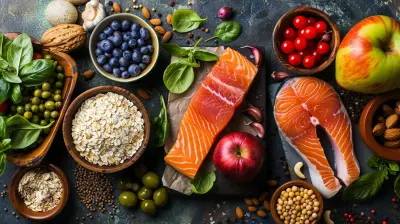
How to Increase Your Fiber Intake Without Feeling Bloated
12 February 2026
Let’s face it, adding more fiber to your diet sounds like a solid health goal. You hear all the time — “Fiber is good for digestion,” “It keeps you full longer,” “Helps with weight control,” “Supports heart health.” That’s all true! But here’s the kicker: many folks load up on fiber all at once and then wonder why their stomach feels like a balloon.
Sound familiar?
If you've ever tried to eat healthier and ended up bloated, gassy, or… well, not quite yourself, you’re not alone. It can be a real struggle to boost your fiber intake without dealing with the not-so-fun side effects. But don’t worry — I’ve got you covered. Let’s talk about how to increase your fiber intake the smart way so that your gut feels good, your tummy stays flat, and your body gets all the benefits without all the bloat.
🌾 What Is Fiber and Why Do You Even Need It?
Before we jump into the “how,” let’s take a quick pitstop at the “why.”Fiber is the part of plant foods that your body doesn’t digest. It comes in two types:
- Soluble fiber: Dissolves in water and turns into a gel-like substance. Think oats, beans, apples.
- Insoluble fiber: Does not dissolve in water and adds bulk to your poop. Found in whole grains, veggies, nuts.
Both types are important. Fiber helps with:
- ✅ Regulating digestion
- ✅ Lowering cholesterol
- ✅ Controlling blood sugar
- ✅ Promoting fullness (hello, weight management!)
- ✅ Supporting gut health
Sounds like a miracle, right? Sort of. But like everything in life — moderation and balance are key.
🌀 Why Does Fiber Make You Feel Bloated?
Ah yes, the dark side of fiber. A sudden increase in fiber can lead to a series of uncomfortable symptoms: gas, bloating, cramping, and even constipation (ironically).But why?
It’s simple: your gut bacteria aren’t used to all that fiber yet. When you suddenly feed them more than they can handle, they go into overdrive, fermenting undigested fiber and producing gas. It’s kind of like throwing a big party when your house isn't ready — chaos ensues.
So, what’s the fix? You need to build your fiber tolerance gradually, give your gut time to adjust, and stay hydrated.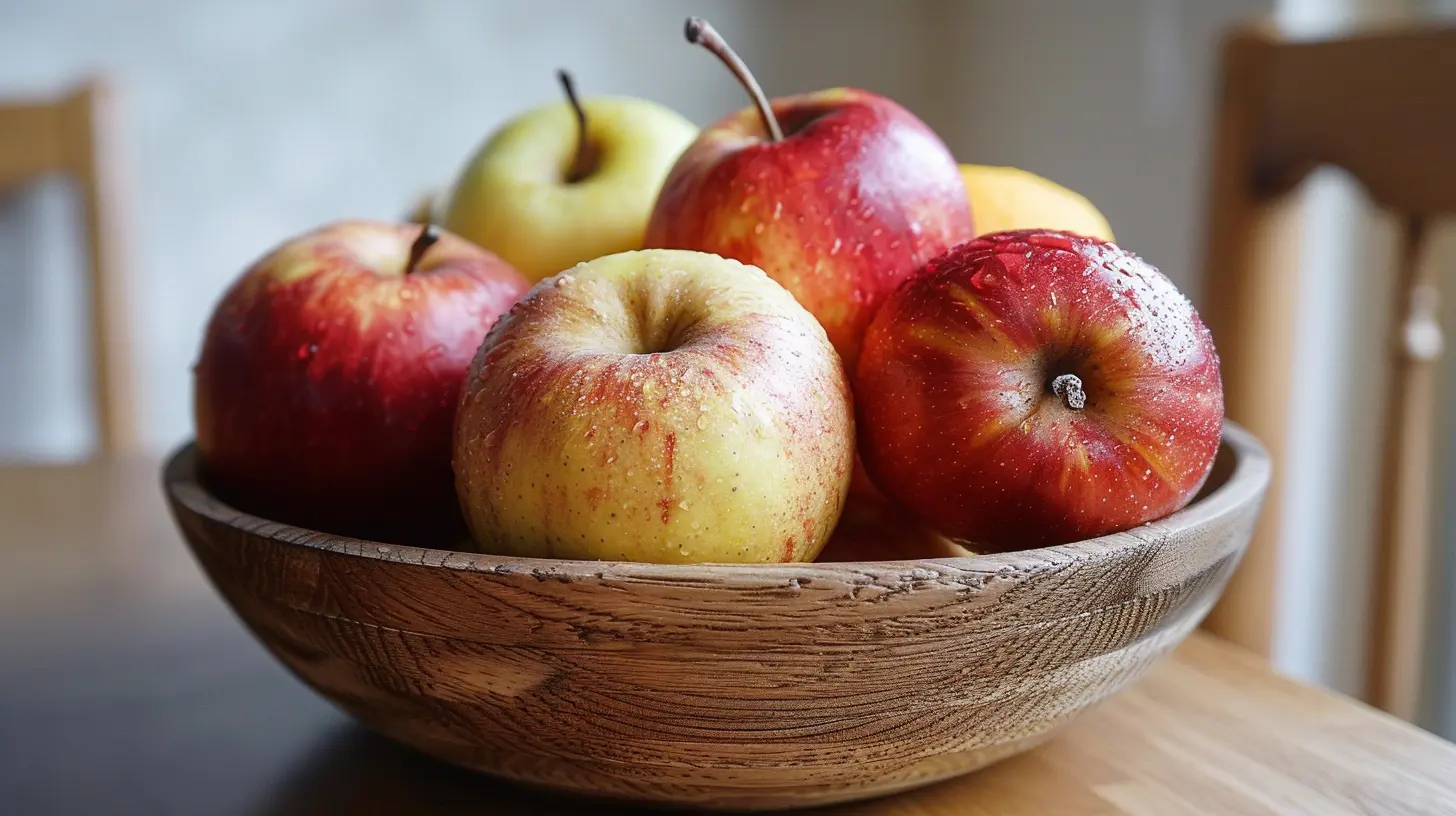
🏁 Step-by-Step Guide to Increase Fiber Intake Without Feeling Bloated
Now that we’ve got the basics down, let’s get practical. Here’s exactly how to add fiber to your diet in a way that your gut can handle.1. 🚶♂️Go Slow — Like, Really Slow
Don’t go from 10 grams of fiber a day to 35 overnight. Your digestive system needs time to adjust.What to do:
Increase your fiber intake by about 2–3 grams per day over a couple of weeks. That might mean adding a serving of fruit one day, a spoonful of chia the next.
Think of it like training for a marathon — your gut needs to be trained too.
2. 💧Hydrate Like It’s Your Job
Fiber soaks up water — especially soluble fiber. Without enough fluids, it’ll sit in your gut like cement. Not fun.Pro tip:
Drink at least 8–10 cups of water per day, especially if you’re boosting fiber. Herbal teas and infused water count too!
3. 🥦 Start With Cooked Sources of Fiber
Raw veggies are fantastic, but they can be tough on sensitive tummies. Cooking helps break down some of the fiber and makes it gentler on your digestive tract.Try this:
Swap raw broccoli for steamed, or throw some sautéed spinach into your eggs.
4. 🥣 Mix Soluble and Insoluble Fiber
Soluble fiber is generally easier on your gut because it slows down digestion. Start with more soluble fiber before piling on the insoluble type.Examples of easy-on-the-gut fiber:
- Oats
- Bananas
- Sweet potatoes (with skin!)
- Avocados
- Carrots
Once your body adjusts, you can add more bulking insoluble sources like whole grains, raw greens, and bran.
5. 💊 Consider a Fiber Supplement (But Choose Wisely)
If you’re not getting enough from food, you can consider a fiber supplement. But not all are created equal.Look for:
- Psyllium husk (gentler and more soluble)
- Methylcellulose (non-fermentable — so less gas)
- Avoid inulin in the beginning — it’s more likely to cause bloating
Start with a small dose and drink plenty of water.
6. 🍽️ Eat Smaller Portions, More Often
Huge fiber-heavy meals can overload your digestive system. Think gentle rather than overwhelming.Do this instead:
Spread your fiber throughout the day. Maybe some fruit in the morning, lentils at lunch, and veggies with dinner.
7. 🧠 Pay Attention to Food Combining
Some food combos make digestion easier (or harder). Fat, for instance, can slow digestion and can work great with fiber when balanced appropriately.Try this friendly combo:
An apple with a spoon of peanut butter. Or whole grain toast with avocado.
But avoid washing down meals with carbonated drinks — hello, gas!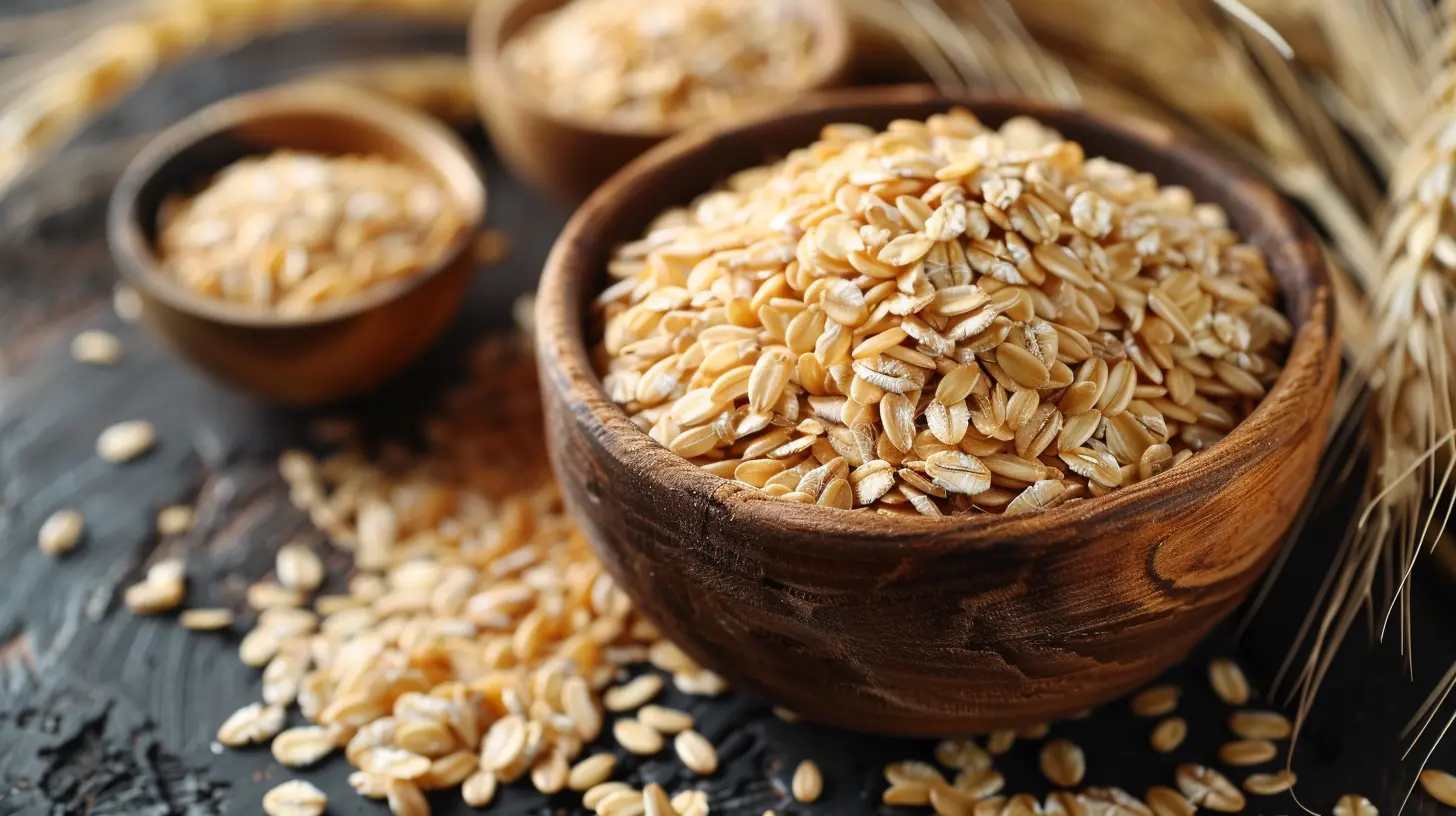
📋 Sample One-Day Gut-Friendly Fiber Menu
Here’s what a fiber-filled, bloat-free day could look like:Breakfast
- Oatmeal with banana slices and chia seeds
- Herbal tea or warm lemon water
Snack
- Greek yogurt with berries
Lunch
- Quinoa salad with roasted veggies and chickpeas
- Olive oil + lemon dressing
Snack
- Apple with almond butter
Dinner
- Grilled salmon
- Steamed broccoli and sweet potato
- Brown rice or farro
Dessert
- A few squares of dark chocolate (yes, it has fiber too 🥳)
💡 Tips to Keep Things Comfortable as You Increase Fiber
Even when you do everything “right,” your gut might throw a little hissy fit now and then. Here are a few bonus tips to keep bloating at bay:🧘♀️ Move Your Body
Gentle movement like walking or yoga helps keep your bowels humming along. Sitting all day? That fiber might just… sit too.📝 Keep a Food Journal
Track what you eat and how you feel. You might find some fiber-rich foods cause more gas than others. Everyone’s different.⏰ Eat Mindfully and Chew Thoroughly
Digestion starts in your mouth. The more you chew, the easier it is for your body to digest fiber later on.🚫 Foods That Might Trigger More Bloating (At First)
Some fiber-rich foods are just naturally more gassy. If you’re sensitive, go easy on:- Cruciferous veggies (cauliflower, cabbage, kale)
- Beans and lentils (start with small amounts or try canned — they’re easier to digest)
- Onions and garlic (lots of fermentable sugars)
You can still enjoy them! Just in moderation while your gut gets used to the fiber festival.
🎯 How Much Fiber Do You Actually Need?
According to nutrition guidelines:- Women: 25 grams/day
- Men: 38 grams/day
Most people don’t even get HALF of that. So even modest improvements can have a big impact.
And remember: It’s about consistency, not perfection. A few extra grams a day, consistently, will make a big difference over time — without wrecking your insides.
🧬 Fiber and Your Gut Microbiome
Let’s nerd out for just a minute.Your gut is home to trillions of bacteria — some help you digest, others support immunity and mood. Fiber is the ultimate prebiotic — meaning it feeds your good gut bacteria.
When you give them the right kind of fuel (aka fiber), they thrive. And when they’re happy, your digestion, mood, and even your skin can get better. That’s the long game of fiber — health from the inside out.
It’s like building a strong foundation for a house. Start slow, lay brick by brick, and before you know it — gut palace.
📝 Final Thoughts
Fiber is your friend — not your enemy. But like any good friendship, it takes time, patience, and balance. Don’t rush it. The goal isn’t to scarf down a week’s worth of lentils in one sitting. It’s to gradually introduce more fiber-rich foods in a way your gut can handle.Start small. Drink water. Move your body. And most of all — listen to your gut (literally). You’ll be on your way to better digestion, more energy, and a flatter, happier belly in no time.
Cheers to fiber — the gentle way!
all images in this post were generated using AI tools
Category:
Fiber Rich DietAuthor:

Holly Ellison
Discussion
rate this article
2 comments
Bear Hines
Great tips! Gradually increasing fiber intake while staying hydrated can make a significant difference. Adding more fruits, veggies, and whole grains slowly really helps avoid bloating. I’ll definitely try some of these suggestions in my diet!
March 13, 2026 at 5:49 PM
Holly Ellison
Thank you! I'm glad you found the tips helpful. Wishing you all the best on your journey to increase fiber while staying comfortable!
Olive McLaury
Great article! Increasing fiber intake can be challenging, but your tips on gradual incorporation, hydration, and choosing diverse sources are spot on. It’s crucial to listen to our bodies and find the right balance to enjoy the benefits without discomfort. Thanks for sharing these valuable insights!
February 14, 2026 at 4:50 PM
Holly Ellison
Thank you for your feedback! I'm glad you found the tips helpful. Listening to our bodies is indeed key to a successful fiber journey.