How to Find Whole Foods in a Sea of Processed Products
11 September 2026
Walk into almost any grocery store and you are surrounded by products designed to look healthy. Boxes shout about fiber. Bars promise protein. Drinks advertise vitamins. Yet many of these items are heavily processed, and the gap between what the package suggests and what the food actually offers can be wide.
Finding whole foods is not about perfection. It is about recognizing what you are buying, understanding how processing changes food, and building habits that make whole foods the easy choice most of the time. This guide walks through what whole foods really are, why processing matters, how to read stores and labels, and how to handle the practical trade-offs that come with real life.
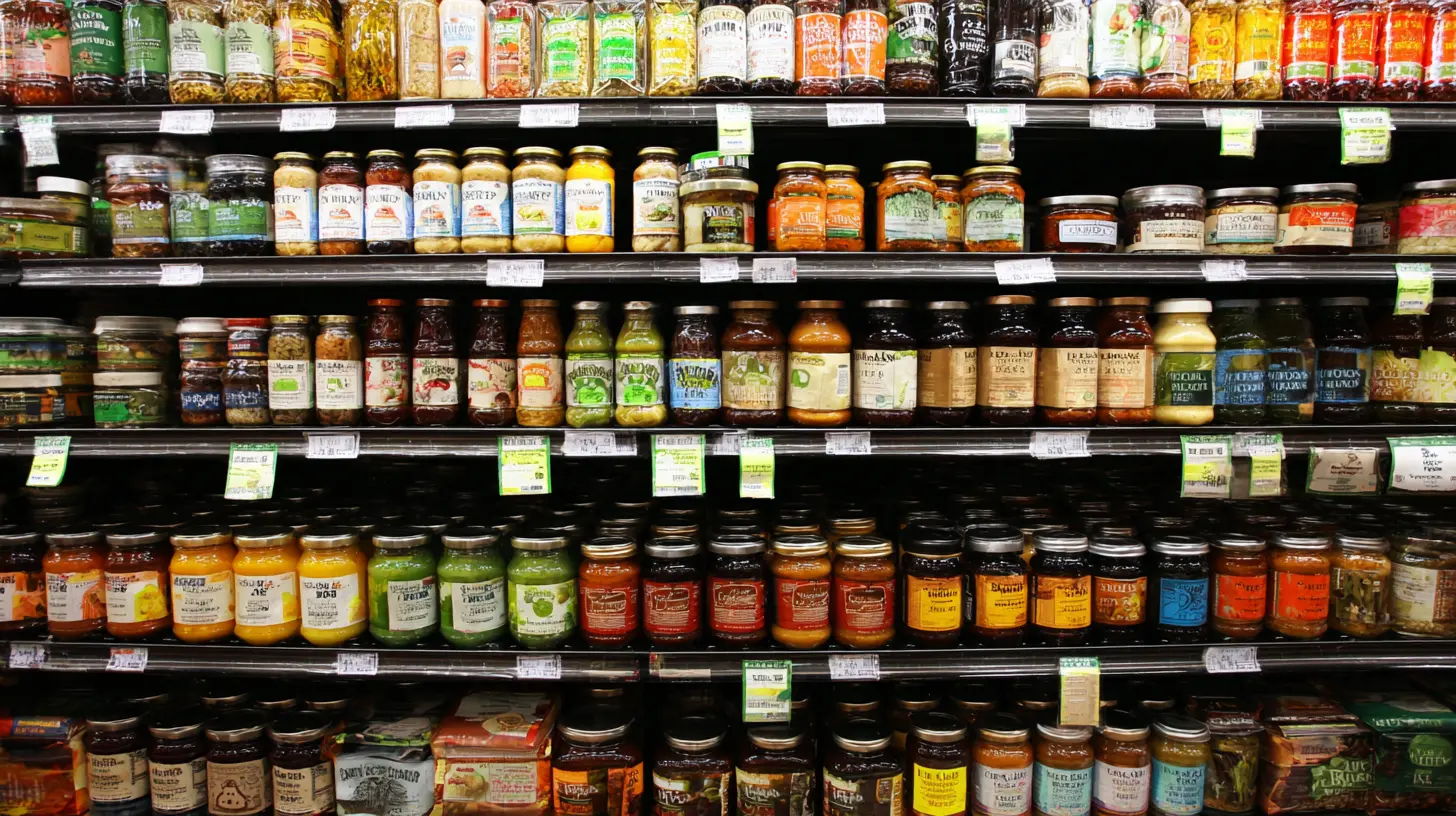
What Counts as a Whole Food
A whole food is a food that is close to its natural state. It has not been stripped apart and rebuilt with added ingredients. Think of an apple, a head of broccoli, a plain chicken breast, dried lentils, or raw almonds.The line is not always sharp. Some processing is minimal and harmless, even helpful. Frozen peas are blanched and frozen, but they are still peas. Plain yogurt is fermented milk. Canned beans with nothing but beans, water, and salt are still close to the original. The key question is not whether a food has been touched by a machine. It is how far it has traveled from its original form and how many things have been added or removed along the way.
A useful mental model is the ingredient test. If a food has one ingredient, or a short list you recognize, it is likely a whole or minimally processed food. If it has fifteen ingredients, including things you would never keep in your kitchen, it is likely ultra-processed.
Why Processing Matters More Than You Might Think
Processing is not automatically bad. Humans have processed food for thousands of years through cooking, fermenting, drying, and grinding. Those methods often make food safer, more digestible, and more nutritious. The problem is the type and degree of processing common in modern products.Ultra-processed foods are typically engineered for shelf life, convenience, and a taste profile that keeps you eating. They often combine refined starches, sugars, oils, salt, and additives in ways that are hard to replicate at home. This matters for a few reasons.
First, processing can remove nutrients. Refining grains strips away the bran and germ, taking fiber, vitamins, and minerals with them. That is why refined flour is often "enriched" afterward. The nutrients are added back, but not always in the same form or balance found in the original grain.
Second, processing can change how your body responds to food. Whole foods tend to come with fiber, water, and structure that slow digestion and help you feel full. Ultra-processed foods are often soft, calorie-dense, and easy to eat quickly. That combination can make it easy to consume more than you intended.
Third, additives and industrial ingredients are not inherently dangerous, but they are a marker. When a product needs emulsifiers, flavor enhancers, and artificial colors to be appealing, it is usually a sign that the base food has lost much of what made it nourishing.
None of this means you must avoid every processed food forever. It means you should know what you are trading away when you choose convenience.
The Grocery Store Map That Changes Everything
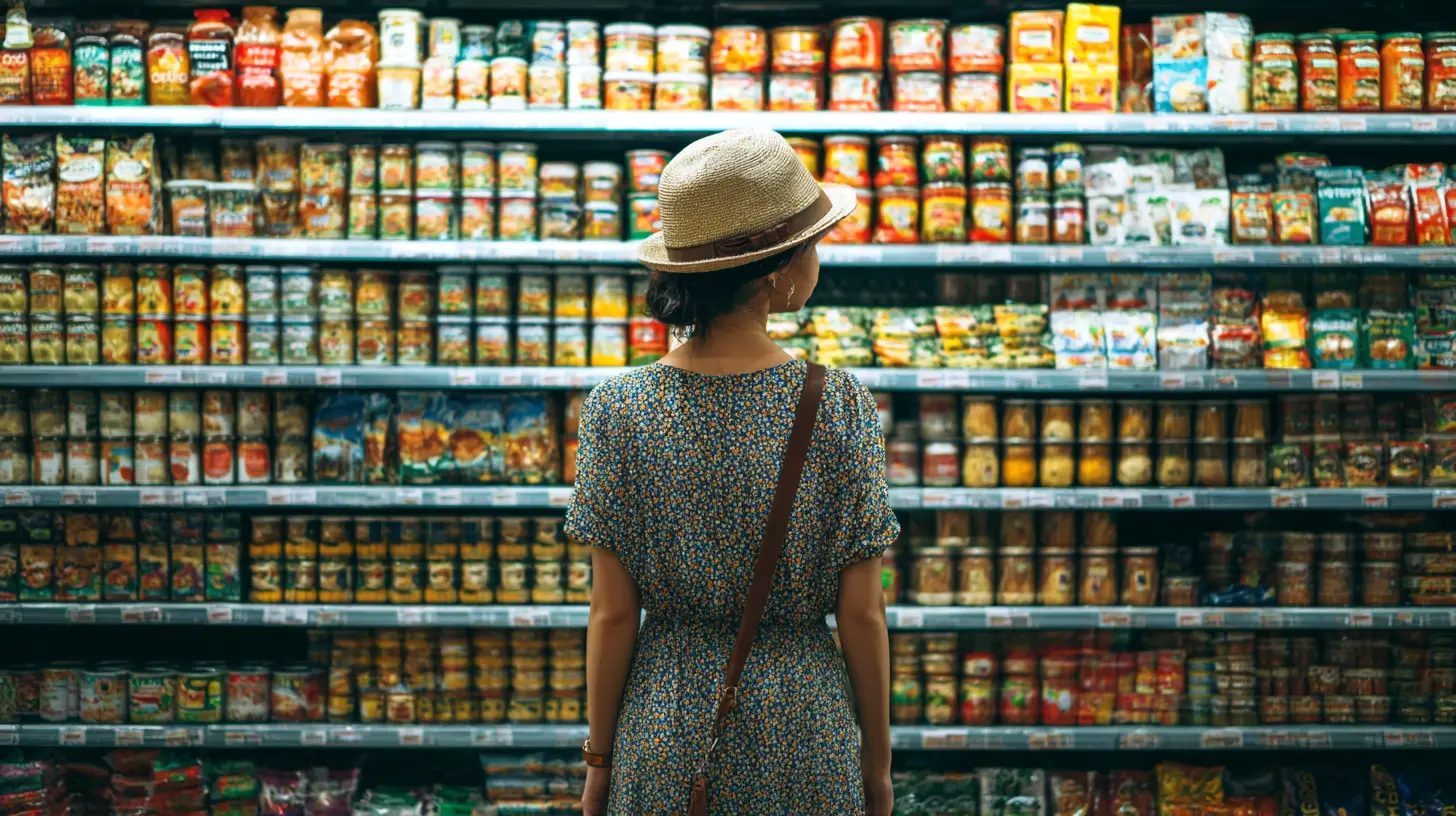
Most grocery stores are laid out in a predictable way. Understanding that layout gives you a real advantage.The perimeter of the store usually holds the least processed foods: produce, meat, seafood, dairy, and sometimes bulk bins. The center aisles hold the most processed foods: snacks, cereals, sodas, and packaged meals.
This is not a strict rule. Plenty of whole foods live in the center aisles. Canned beans, dried lentils, plain oats, brown rice, nuts, seeds, and frozen vegetables are all in the middle of the store. Meanwhile, the perimeter can hold processed items like flavored yogurt, breaded chicken, and sweetened deli meats.
Still, the perimeter-first habit is a strong starting point. It naturally pushes you toward foods that need little label reading. Then you can make targeted trips into the center aisles for specific staples.
A practical approach is to shop the perimeter first, fill most of your cart there, then go into the aisles with a short list. This reduces impulse buys and keeps your basket anchored in foods that do not require a chemistry degree to understand.
How to Read a Label Without Getting Fooled
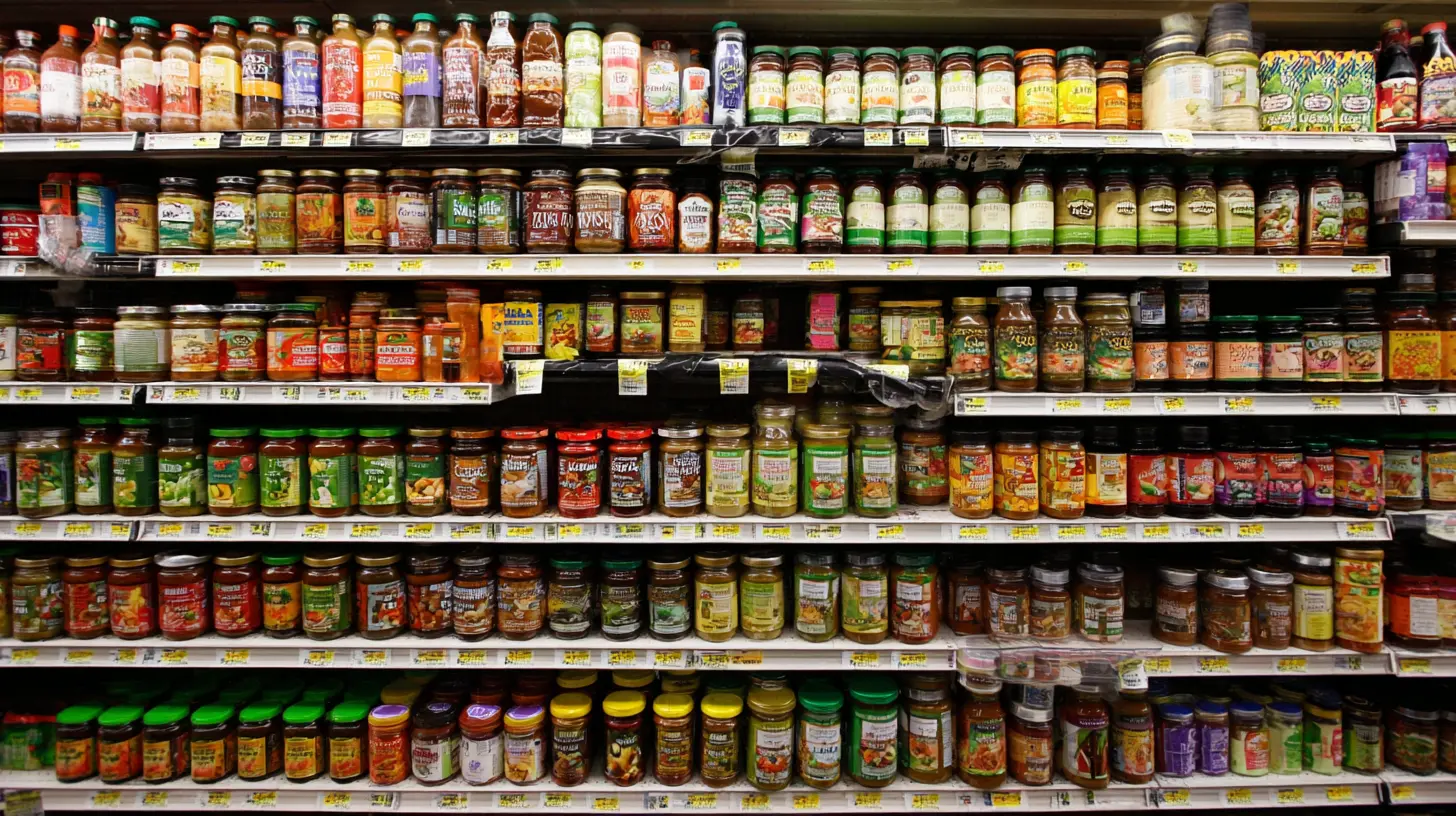
Labels are marketing documents as much as they are information panels. Knowing how to cut through the noise is a core skill.Start With the Ingredient List, Not the Front
The front of the package is designed to sell. Words like "natural," "wholesome," and "made with real fruit" have little legal weight in most cases. The ingredient list is where the truth lives.Ingredients are listed by weight, from most to least. If sugar, syrup, or refined flour is in the first three ingredients, the product is mostly that. If the list is long and full of items you would not find in a home kitchen, treat it as ultra-processed.
Watch for Sugar in Disguise
Sugar has many names. You might see cane sugar, brown rice syrup, corn syrup solids, dextrose, maltodextrin, fruit juice concentrate, agave, honey, and more. A product can contain several of these and still not list "sugar" prominently. When multiple sweeteners appear, the total sugar load is likely higher than it looks.Understand What "Whole Grain" Really Means
A product labeled "made with whole grains" may contain only a small amount of whole grain flour alongside mostly refined flour. Look for "100% whole grain" or check that the first flour ingredient is whole wheat, whole oats, or another whole grain.Do Not Fear All Additives
Not every additive is a problem. Vitamin C, citric acid, and lecithin are common and generally safe. The concern is more about the overall pattern. A product with one or two familiar additives is different from one with a long list of stabilizers, colors, and flavor enhancers.Compare Similar Products
The fastest way to improve your choices is to compare. Put two jars of peanut butter side by side. One may list peanuts and salt. The other may list peanuts, sugar, palm oil, and salt. Both are peanut butter, but they are not the same food. Comparing turns label reading into a quick, practical habit rather than a research project.The Frozen and Canned Aisle Are Not the Enemy
A common misconception is that fresh is always better than frozen or canned. That is not true.Frozen vegetables and fruits are often picked and frozen at peak ripeness. In some cases, they retain more vitamins than fresh produce that has spent days in transit and on a shelf. They are also convenient and reduce waste, since you can use only what you need.
Canned beans, tomatoes, and fish can be excellent whole-food options. The main things to watch are added sugar, excessive salt, and additives like calcium chloride or firming agents. Rinsing canned beans reduces sodium significantly. Choosing beans with no added sugar keeps them closer to the original.
The trade-off is texture and flavor. Canned and frozen foods do not always match fresh in taste or versatility. But for many people, they make whole foods affordable and realistic on busy days. That is a win, not a compromise.
Plant-Based Does Not Always Mean Whole Food
The rise of plant-based eating has created a new category of ultra-processed products. Plant-based burgers, sausages, and cheeses are often highly engineered. They may be better for the environment than some animal products, but they are not necessarily whole foods.This is where nuance matters. If your goal is to reduce meat consumption, a plant-based burger can be a useful transition food. If your goal is to eat more whole foods, it is not the same as a bowl of lentils.
The same applies to "health" foods like protein bars, flavored yogurts, and veggie chips. Many are marketed as wholesome but are closer to candy or chips in their ingredient profile. The lesson is consistent: read the label, not the marketing.
Practical Strategies for Buying More Whole Foods
Knowing what to look for is one thing. Actually changing your shopping habits is another. These strategies tend to work because they reduce friction and decision fatigue.Build Meals Around a Whole-Food Base
Instead of asking "what should I make," ask "what whole food do I have, and what can I add to it." A roasted sweet potato, a pot of beans, or a pan of sautéed greens can become the base of several meals. This flips the usual approach, where processed foods are the centerpiece and whole foods are the side.Keep a Short List of Reliable Staples
Most people eat the same twenty to thirty foods regularly. Identify whole-food versions of your favorites and make them your defaults. If you eat oatmeal, buy plain rolled oats instead of flavored packets. If you eat yogurt, buy plain and add your own fruit. If you eat pasta, try a whole grain version or pair refined pasta with a vegetable-heavy sauce.Use the Freezer as a Tool
Frozen vegetables, fruits, and even cooked grains can make whole-food cooking faster than ordering takeout. Keep a few bags of frozen spinach, berries, and mixed vegetables on hand. They last for months and remove the excuse that fresh produce goes bad too quickly.Buy in Bulk When It Makes Sense
Bulk bins for oats, rice, nuts, and beans are often cheaper and let you buy only what you need. They also reduce packaging. The trade-off is that bulk bins can be less convenient and may have cross-contamination concerns for people with severe allergies. Weigh that against your priorities.Do Not Let Perfect Be the Enemy of Good
You do not need to eliminate every processed food. A jar of pasta sauce with a few additives is still a reasonable base for a quick meal. A slice of bread with some preservatives is not going to undo a diet rich in vegetables, beans, and fruit. The goal is a pattern, not purity.
Common Mistakes and Misconceptions
Even motivated shoppers run into traps. Here are some of the most common.Assuming "Organic" Means Whole Food
Organic refers to how a food is grown or produced. Organic cookies are still cookies. Organic soda is still soda. Organic is a useful label, but it does not tell you how processed a food is.Trusting the Front of the Package
Claims like "high in fiber," "low fat," and "made with real ingredients" are often technically true but misleading. Low-fat products frequently add sugar to compensate for taste. High-fiber products may contain isolated fibers that do not behave like fiber in whole foods.Overlooking Beverages
Sodas, sweetened teas, sports drinks, and even some juices are ultra-processed. They can add significant sugar and calories without making you feel full. Water, plain coffee, and plain tea are the simplest whole-food drinks.Forgetting About Condiments
Ketchup, salad dressings, and sauces can be surprisingly processed. They are used in small amounts, so they matter less than staples, but choosing simpler versions is an easy upgrade. Olive oil and vinegar, plain mustard, and salsa with a short ingredient list are good defaults.Believing Healthy Eating Requires Exotic Ingredients
You do not need goji berries or expensive superfood powders. Cabbage, carrots, onions, beans, oats, and eggs are affordable and deeply nourishing. Whole foods are often the cheapest foods in the store when you compare cost per nutrient rather than cost per calorie.How to Handle Real-Life Trade-Offs
Whole-food eating is not always convenient. It takes planning, cooking, and sometimes more money upfront. Here is how to think through the trade-offs honestly.Time Versus Convenience
Cooking from scratch takes time. Canned beans, frozen vegetables, and pre-washed greens cut that time down. You can also cook in batches and freeze portions. The goal is to find the level of convenience that keeps you cooking rather than ordering out.Cost Versus Quality
Fresh produce can be expensive, especially out of season. Frozen and canned options are often cheaper and just as nutritious. Buying staples in bulk and choosing seasonal produce can stretch a budget. Whole foods do not have to be a luxury.Enjoyment Versus Discipline
If you force yourself to eat foods you dislike, you will not stick with it. Find whole foods you actually enjoy. Roasted vegetables taste different from steamed ones. Seasoning matters. Experiment with cooking methods until your whole-food meals are something you look forward to.Social and Cultural Context
Food is social. Sharing meals, celebrating, and enjoying treats are part of a full life. A rigid approach to whole foods can create stress and isolation. A flexible approach, where whole foods are the foundation and processed foods are occasional, tends to be more sustainable and more enjoyable.
A Simple Framework You Can Use Today
If you want a single takeaway, use this framework:1. Shop the perimeter first, then make targeted trips into the aisles.
2. Read the ingredient list before the front of the package.
3. Choose products with short lists of recognizable ingredients.
4. Favor frozen and canned options when they are closer to whole than the fresh alternatives in your budget or schedule.
5. Build meals around a whole-food base, and treat processed foods as additions rather than foundations.
6. Aim for progress, not perfection.
Whole foods are not a trend or a strict diet. They are the foods your body has evolved to handle well. Finding them in a sea of processed products is a skill, and like any skill, it improves with practice. Start with one or two changes, build from there, and let the rest of your diet shift naturally over time.
all images in this post were generated using AI tools
Category:
Food Label ReadingAuthor:

Holly Ellison
Discussion
rate this article
2 comments
Daphne Coleman
Finding whole foods can feel like a treasure hunt. Trust your instincts and enjoy discovering what nature has to offer!
September 16, 2026 at 4:21 AM
Holly Ellison
Absolutely! Embracing the hunt makes whole food all the more rewarding. Happy exploring!
Marie Reilly
What if the secret to wellness lies hidden among everyday choices... dare to uncover it?
September 13, 2026 at 3:48 PM
Holly Ellison
Absolutely. Every small choice counts. It's about being mindful and curious in the grocery aisles.