How to Eat More Fiber on a Tight Budget
8 July 2026
Let’s be honest – when someone says you need more fiber in your diet, the first thought might be, “Sure, but won’t that cost me more?”. You're not alone. Eating healthy, especially increasing your fiber intake, often feels like it comes with a hefty price tag. But here’s the good news: boosting your fiber intake without busting your budget is absolutely doable! All it takes is a little know-how and some smart shopping strategies.
By the end of this article, you’ll know exactly how to load up on fiber-rich foods without denting your wallet. Ready to dive in? Let’s break it down step by step.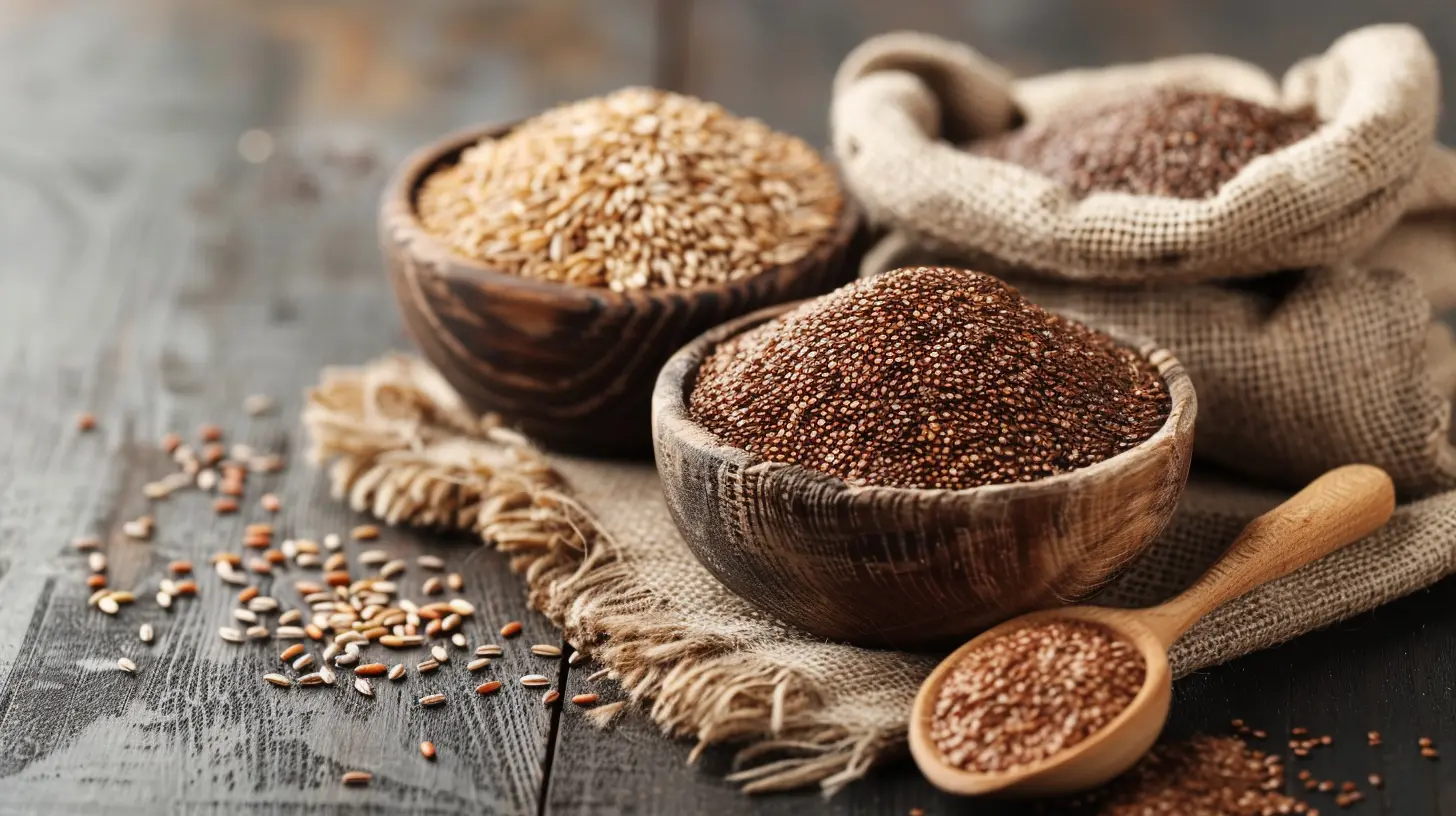
What Is Fiber and Why Does It Matter?
First things first: what’s the big deal about fiber? Fiber is a type of carbohydrate your body can’t digest. Sounds odd, right? But that’s exactly what makes it so powerful. Instead of being broken down for energy, fiber passes through your digestive system, offering some major health benefits along the way.Benefits of Fiber
- Supports Digestive Health: Think of fiber as a broom for your digestive system, sweeping out waste and keeping everything running smoothly.- Keeps You Full: Fiber-rich foods are like the marathon runners of the food world—they keep you feeling fuller for longer.
- Helps Manage Weight: Because fiber makes you feel full, you’re less likely to reach for unhealthy snacks.
- Regulates Blood Sugar: Fiber slows down how your body processes sugar, which can help prevent blood sugar spikes and crashes.
- Lowers Cholesterol: Certain types of fiber bind to cholesterol and help flush it out of your system.
But here’s the kicker: many people struggle to get enough fiber. The recommended daily intake is around 25 grams for women and 38 grams for men, but most of us don’t even come close. Don’t worry—whether you're a penny-pincher or just aiming to save for something special, adding more fiber to your meals doesn’t need to come at a premium.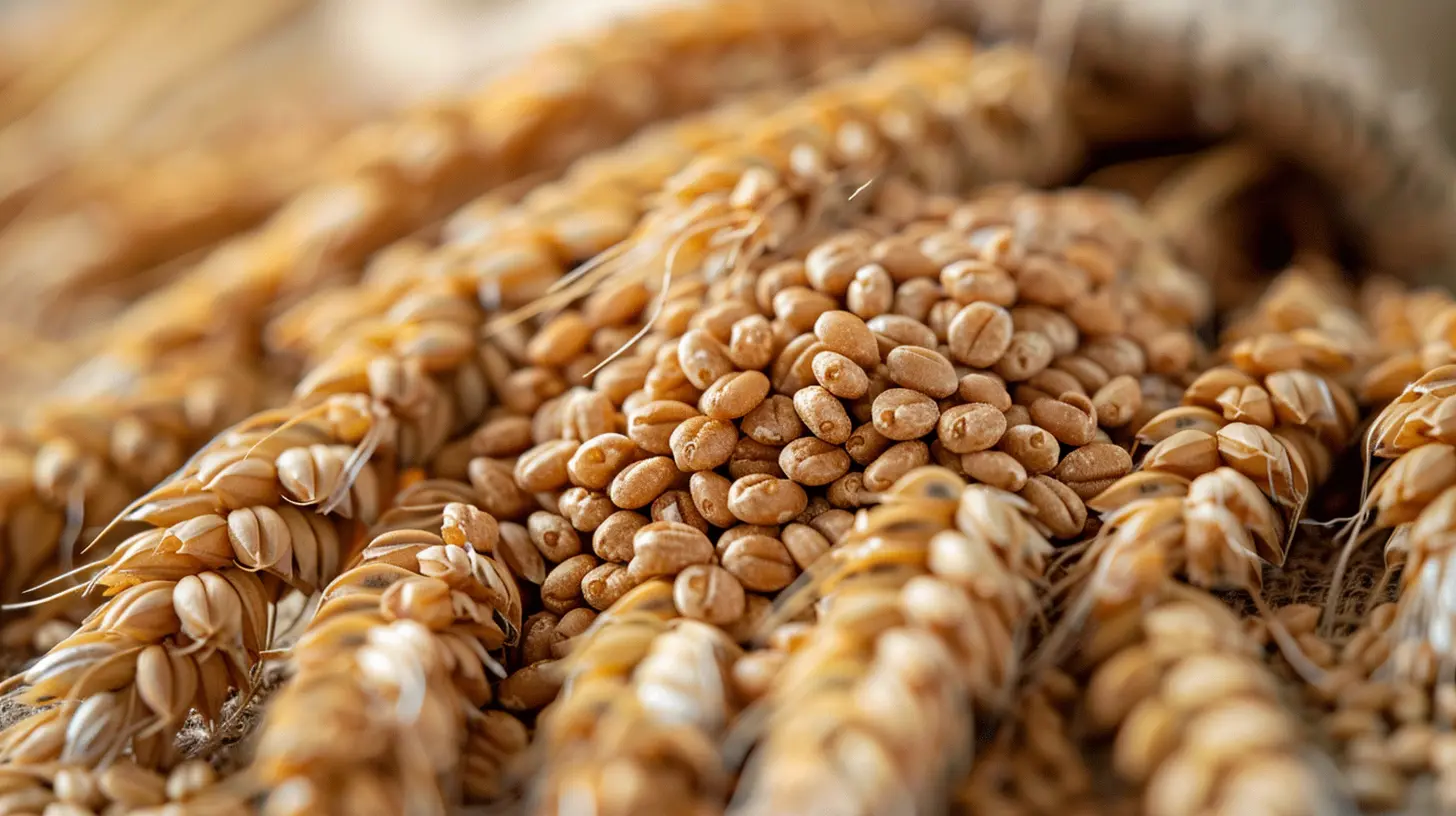
Budget-Friendly Fiber-Rich Foods
When you hear "fiber," you might imagine pricey health-food store shelves packed with organic granola or fancy supplements. But here’s the secret: you don’t need fancy foods to hit your fiber goals. Some of the best fiber sources are kitchen staples that won’t put pressure on your wallet.1. Beans and Lentils
Ah, beans—the unsung heroes of the budget-friendly fiber world. Whether it’s black beans, kidney beans, chickpeas, or lentils, these little guys are packed with fiber and protein.- Why They’re Great: A single cup of cooked lentils has around 15 grams of fiber! Plus, they’re incredibly versatile—perfect for soups, salads, or even tacos.
- Budget Tip: Buy them dried in bulk. Dried beans cost pennies per serving and just need a bit of soaking and cooking to soften up.
2. Oats
Oats aren’t just for breakfast! These humble grains are loaded with soluble fiber, specifically beta-glucan, which is great for heart health.- Why They’re Great: A single cup of cooked oats provides about 4 grams of fiber. Plus, they’re filling, cheap, and can be customized with whatever toppings you’ve got on hand.
- Budget Tip: Opt for plain rolled or steel-cut oats rather than instant oatmeal packets, which tend to be more expensive and often packed with added sugar.
3. Whole Grains
Brown rice, whole wheat pasta, barley, and quinoa—these are MVPs when it comes to fiber-rich options for your meals.- Why They’re Great: Whole grains retain their outer bran layer, which is packed with fiber.
- Budget Tip: Shop in bulk bins or keep an eye out for store-brand whole grains—they’re often cheaper than branded options.
4. Frozen Vegetables
Sure, fresh veggies are amazing, but let’s face it—they’re not always affordable. Enter frozen vegetables! They’re just as nutritious (sometimes even more so) and come at a fraction of the cost.- Why They’re Great: Veggies like broccoli, spinach, and peas are fiber powerhouses.
- Budget Tip: Stock up on frozen veg during sales. Plus, there’s no rush to use them before they spoil!
5. Cabbage and Carrots
Root vegetables like carrots and budget-friendly greens like cabbage are super cheap and fiber-rich.- Why They’re Great: Loaded with dietary fiber, plus they can be used in soups, salads, or stir-fries.
- Budget Tip: These vegetables have a long shelf life, so you’ll get more bang for your buck.
6. Fruits with Skin
Apples, pears, berries, and oranges are all loaded with fiber, especially when you eat the peel.- Why They’re Great: A medium apple has about 4 grams of fiber, and you don’t have to break the bank to enjoy it!
- Budget Tip: Buy fruit that’s in season or look for deals on imperfect produce—it tastes the same but costs less.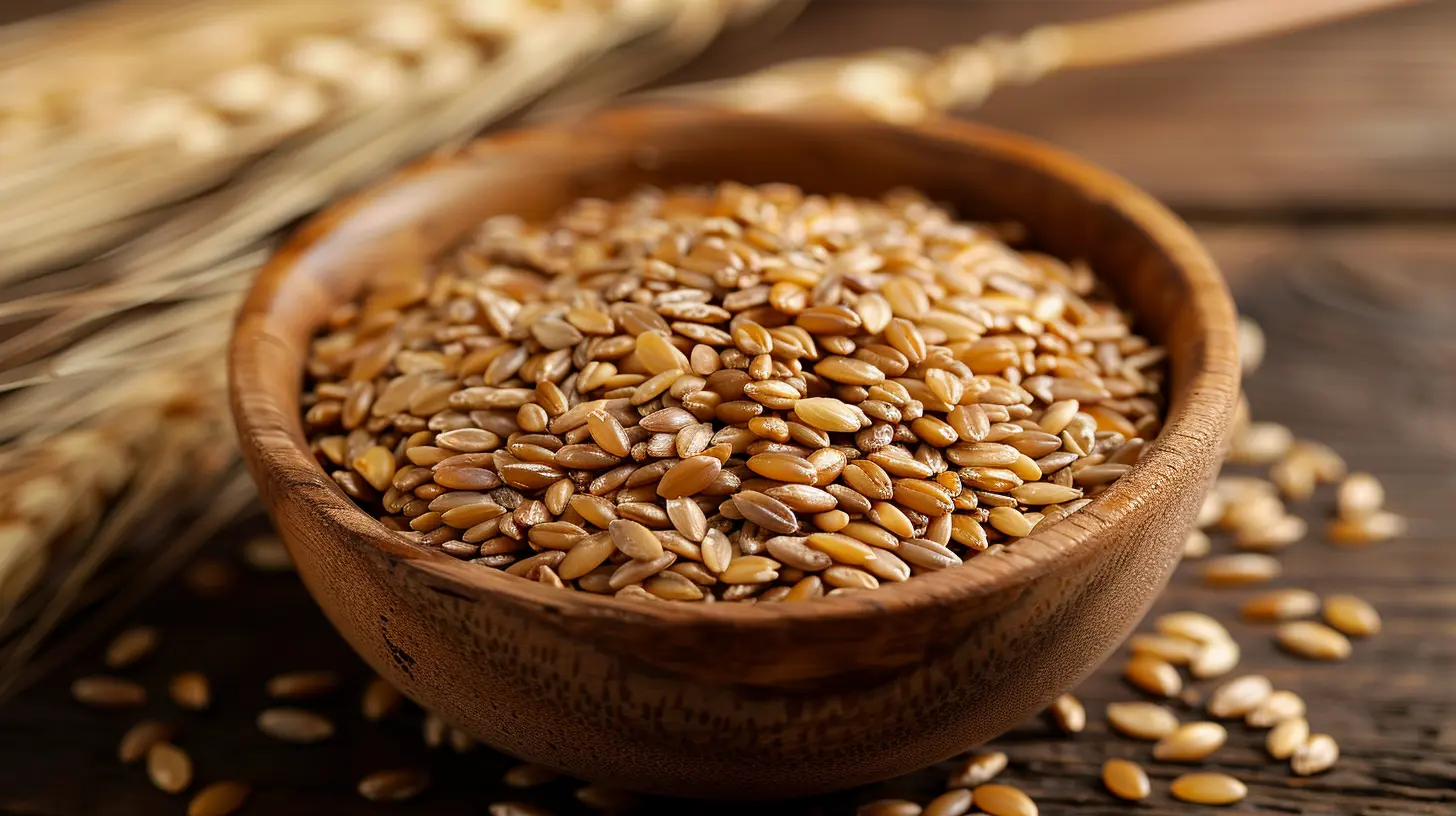
Smart Shopping Strategies for Fiber on a Budget
Okay, so now you’ve got your list of fiber-rich foods. But how do you maximize your savings while filling your cart?1. Plan Your Meals
Ever heard the phrase failing to plan is planning to fail? It’s true for eating healthy on a budget. Sketch out meals for the week that incorporate fiber-rich staples—think bean soups, veggie stir-fries, or oatmeal breakfasts.2. Buy in Bulk
Whether it’s dried beans, rice, or oats, buying in bulk is your best friend. Pro tip: check out local co-ops or bulk sections at grocery stores for unbeatable deals.3. Cook at Home
Skip the pre-packaged, pre-cooked meals. Cooking from scratch doesn’t just save money—it also ensures you’re avoiding sneaky ingredients like added sugars or salt.4. Freeze Leftovers
If you’re cooking fiber-rich meals like chili or lentil soup, make extra and freeze portions for later. It’s like having a healthy, budget-friendly backup meal on demand.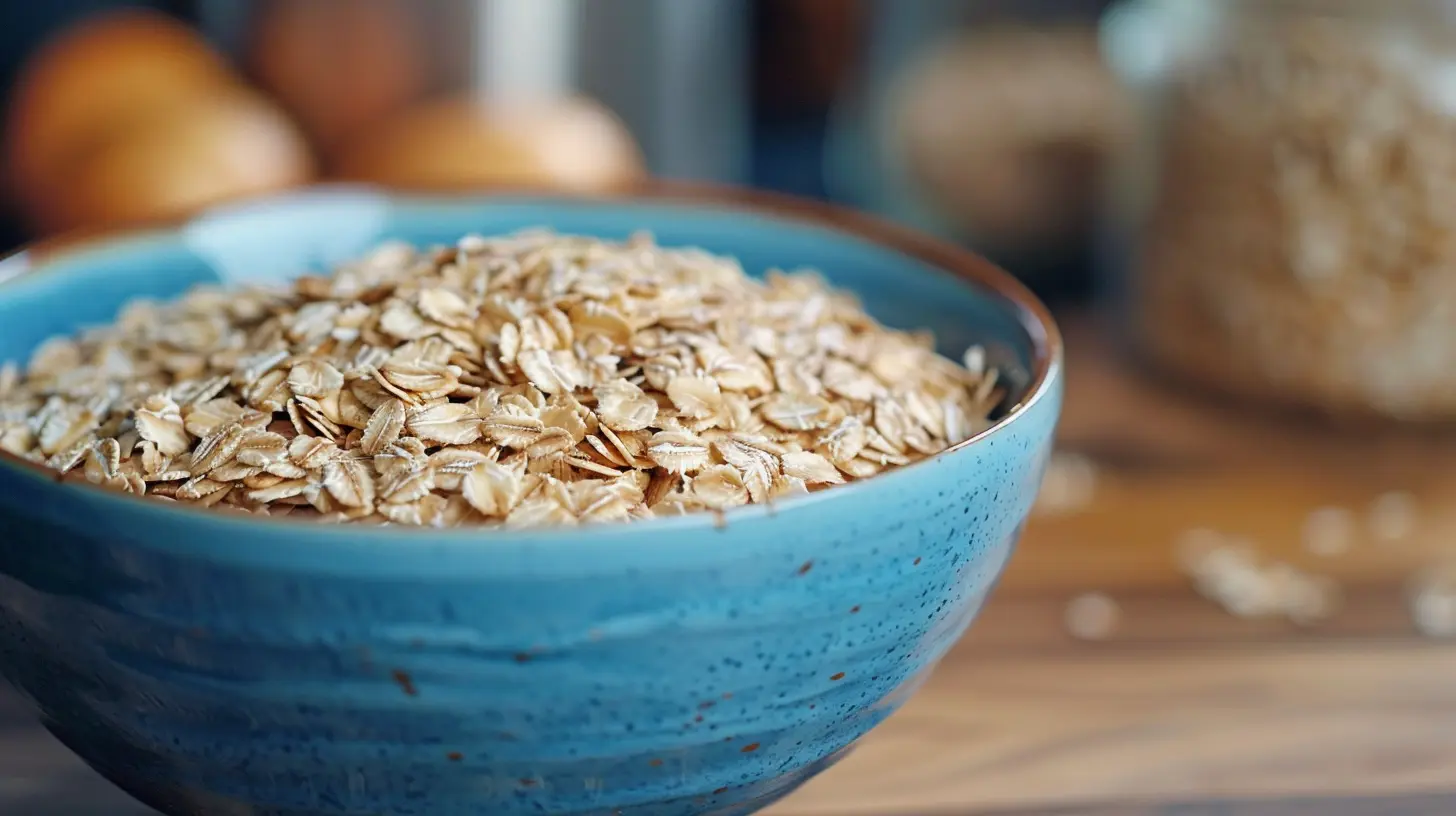
Easy, Budget-Friendly High-Fiber Meal Ideas
Stuck on how to make fiber-rich foods work in your daily meals? Here are a few affordable, simple ideas:Breakfast
- Overnight Oats: Combine oats, a bit of milk (or plant-based alternative), and some chopped fruit in a jar. Let it sit in the fridge overnight, and boom—breakfast is ready!- Smoothies: Blend a frozen banana, a handful of spinach, and some berries with water or milk. Toss in a tablespoon of flaxseeds for an extra fiber boost.
Lunch
- Vegetable Soup: Combine lentils, carrots, cabbage, and any other cheap veggies you have on hand in a big pot. Add some stock, simmer, and you’ve got a hearty meal.- Chickpea Salad: Toss chickpeas with chopped tomatoes, cucumbers, onions, and a drizzle of olive oil and lemon juice.
Dinner
- Bean Chili: Load up a pot with black beans, kidney beans, tomatoes, and spices for a delicious, fiber-rich meal.- Whole Wheat Pasta: Top cooked whole wheat pasta with a simple veggie-packed tomato sauce.
Hacks to Increase Fiber Without Spending Extra
- Swap Refined for Whole: Choose whole wheat bread, pasta, and rice over white versions.- Add Beans: Stir a handful of beans into soups, stews, or even pasta dishes.
- Snack Smart: Swap chips for popcorn (it’s a whole grain!) or an apple with peanut butter.
- Get Creative: Use shredded cabbage as a base for slaws or bulk up meat dishes with lentils.
Final Thoughts: Fiber Doesn't Have to Be Fancy (or Expensive!)
Adding more fiber to your diet isn’t rocket science—it’s about making simple, affordable swaps and embracing fiber-rich staples that are easy on your wallet. Whether it’s loading up on bulk beans, swapping white rice for brown, or freezing leftover soups, there’s no shortage of ways to save money while boosting your intake.Remember, the road to better health doesn’t have to come with a luxury price tag. And hey, small changes can lead to big results—so why not start today?
all images in this post were generated using AI tools
Category:
Fiber Rich DietAuthor:

Holly Ellison
Discussion
rate this article
1 comments
Laila Huffman
Great tips! I love how accessible these ideas are. Eating fiber doesn't have to break the bank-simple changes make a big difference. Thanks for sharing!
August 11, 2026 at 2:40 PM
Holly Ellison
Thanks for your feedback! I'm glad you found the tips useful and budget-friendly. Small changes can really add up. Happy eating!