How to Decode Food Labels Like a Pro by 2026
21 April 2026
Navigating the aisles of a grocery store can feel like walking through a maze, especially when you're faced with a sea of food labels that seem to speak a different language. Ever looked at a label and thought, “What on earth does that mean?” You're not alone! But fear not! By 2026, you’ll not only be able to decode food labels but do so like a pro. So, let’s dive in and unravel the mysteries behind those tiny printings and colorful graphics, shall we?
The Importance of Understanding Food Labels
Before we jump into the nitty-gritty, let’s talk about why understanding food labels is so essential. Food labels are designed to give us vital information about what’s in the food we consume. They can help us make healthier choices, avoid allergens, and manage dietary needs. Think of food labels as the roadmap to your nutritional journey—without them, you might just end up driving in circles!
What’s on a Food Label?
Food labels typically contain several key components, and by 2026, these elements will likely be standardized to make them even easier to understand. Let’s break down the essential parts.1. Serving Size
Have you ever poured a bowl of cereal and thought, “That’s a lot!” only to find out the serving size is half of what you just consumed? The serving size is one of the most critical parts of a food label. It tells you how much of the product you should be eating. Understanding this can help you manage your portions and caloric intake more effectively.2. Calories
Calories are the fuel your body uses, but not all calories are created equal. The label indicates how many calories are in a single serving. But here’s the kicker: it’s easy to misjudge how many servings you’re actually having. If you consume three servings of a snack, you’re tripling those calories! Yikes!3. Nutritional Information
This section is like the treasure trove of the food label. It breaks down carbohydrates, proteins, fats, vitamins, and minerals. Understanding these macronutrients is essential. For instance, if you’re trying to build muscle, you might focus on protein content. Conversely, if you’re watching your weight, monitoring fat and carbohydrate intake is vital.4. Ingredients List
Ever looked at a label and wondered why it’s a mile long? The ingredients list tells you exactly what’s in your food. Ingredients are listed in descending order by weight, meaning the first few ingredients are the most prominent. If sugar is the first ingredient, it’s probably not the healthiest choice! A good rule of thumb is: if you can’t pronounce it, maybe you shouldn’t be eating it.5. Allergen Information
For those with food allergies, this part is non-negotiable. Labels often highlight common allergens such as nuts, dairy, gluten, and soy. By 2026, we hope to see more transparency and clearer labeling regarding allergens, ensuring that consumers can feel safe about what they’re eating.
The Future of Food Labels: What to Expect by 2026
So, what’s on the horizon for food labeling? As we approach 2026, several trends are emerging that will make decoding labels more manageable.1. Simplified Labels
There’s a growing push for simplified labeling. Imagine a label that features a color-coded system indicating whether a product is healthy or not. This could dramatically cut down on confusion and help you make quick decisions while shopping.2. Smart Labels
With advancements in technology, we might see smart labels that can be scanned with your smartphone. These labels could provide detailed information about the product, including its nutritional content, sourcing, and environmental impact. How cool would that be? You could literally get the 411 on your food in a snap!3. Increased Transparency
The trend toward transparency is already underway. Consumers are demanding more information about where their food comes from. By 2026, we may see labels that include information about farming practices, ethical sourcing, and even the carbon footprint of food production.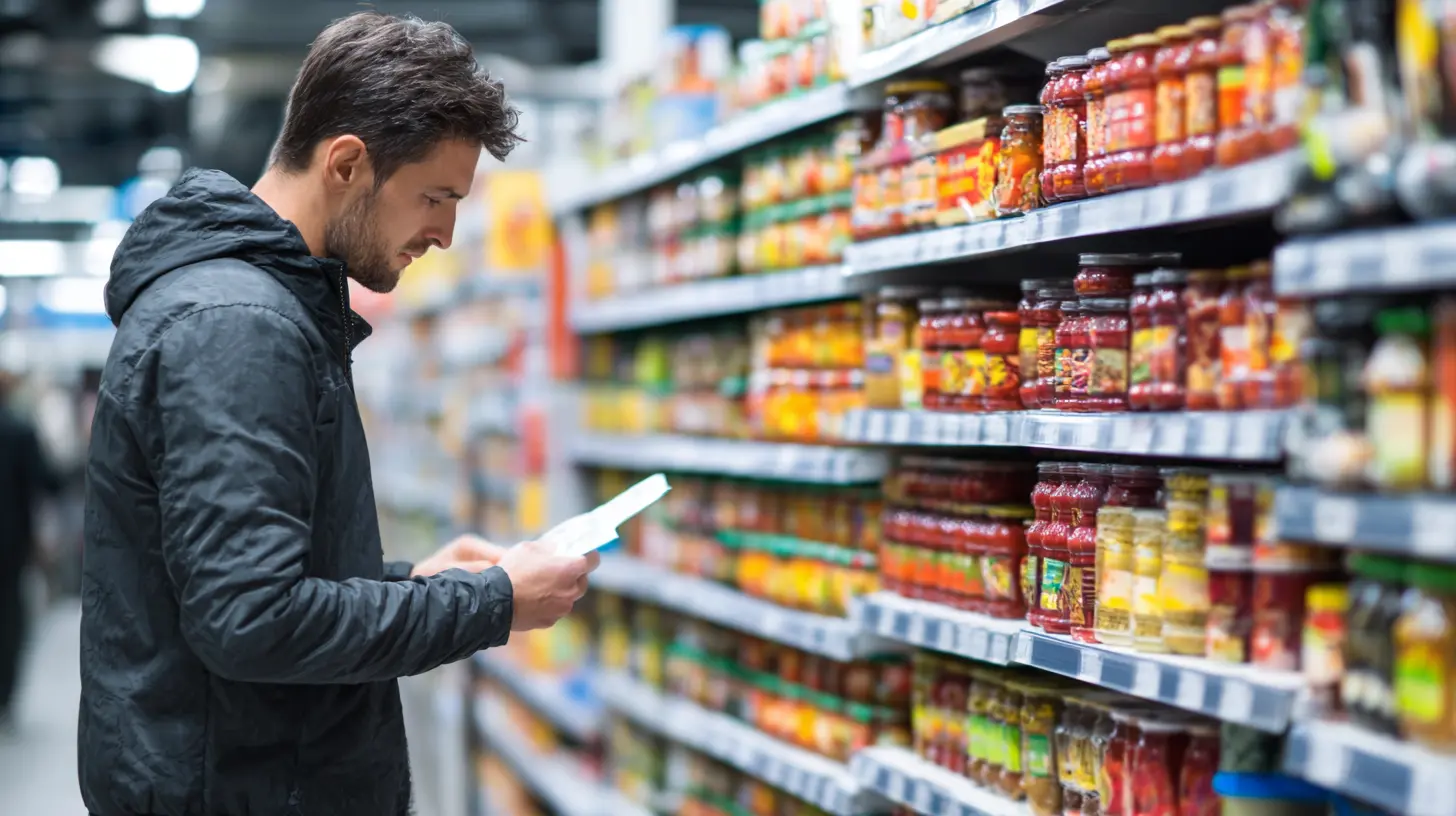
How to Read Food Labels Like a Pro
Now that you know what to look for and what to expect in the coming years, let’s talk about how to read food labels effectively.1. Start with the Serving Size
Always start with the serving size. If you’re eating straight from the package, you may be consuming more than one serving without realizing it. Check the serving size at the top of the label and adjust your calculations accordingly.2. Count Your Calories Wisely
Look at the calories per serving and think about how many servings you’ll actually eat. If you’re snacking from a bag of chips, it’s easy to lose track. Being aware of this can help you stay within your daily caloric goals.3. Focus on Nutrients that Matter to You
Are you trying to reduce sugar intake? Then, focus on the total sugars listed. Looking to boost fiber? Check that fiber line! Knowing your health goals helps you hone in on the nutrients that matter.4. Read the Ingredients List
Don’t just glance at it—read it! The ingredients list can reveal a lot about the quality of the product. Aim for shorter lists with recognizable ingredients. The more whole foods, the better!5. Watch for Sneaky Additives
Some products may advertise themselves as “healthy,” yet their ingredient lists contain preservatives, artificial flavors, or excess sugar. Be cautious of marketing jargon! Words like "natural" or "healthy" aren’t regulated, so they can be misleading.Common Misconceptions About Food Labels
Let’s clear up some common misconceptions that may be tripping you up!1. “Low-Fat” Means Healthy
Not necessarily! Low-fat products often have added sugars to enhance flavor. Always look at the full nutritional profile rather than getting fixated on one claim.2. “Whole Grain” Equals Healthy
While whole grains are generally healthier than refined grains, it’s essential to check the ingredient list. Sometimes, products labeled as “whole grain” still contain significant added sugars or unhealthy fats.3. Organic Labels Guarantee Healthiness
Organic doesn’t automatically mean healthy. An organic cookie is still a cookie! It's crucial to read the nutritional information to determine its health value.Practical Tips for Grocery Shopping
Now that you’re armed with knowledge, here are some practical tips to make your grocery trips more successful.1. Make a List
Before you head to the store, make a list of what you need. This helps you avoid impulse buys and keeps you focused on your health goals.2. Shop the Perimeter
The perimeter of the store usually contains fresh produce, dairy, and meats—essentially the less processed foods. Try to fill your cart with items from this section before venturing into the center aisles.3. Take Your Time
Don’t rush! Take your time reading labels, especially for new products. If you’re unsure about something, feel free to compare it with similar products.4. Use Your Phone
If you’re ever in doubt about a product, use your smartphone to look up additional information. Many apps can scan barcodes and provide nutritional insights or user reviews.Conclusion
Decoding food labels doesn’t have to be a daunting task. With a little practice and awareness, you can quickly become a savvy shopper by 2026. As food labeling continues to evolve, staying informed will put you in the driver’s seat of your health journey. Remember: knowledge is power, and the more you know about what you’re eating, the better choices you can make!So, the next time you're in the grocery store, channel your inner food-label detective. You got this!
all images in this post were generated using AI tools
Category:
Food Label ReadingAuthor:

Holly Ellison
Discussion
rate this article
2 comments
Rosalyn Ward
Great tips! Understanding labels is essential for healthier choices.
April 24, 2026 at 3:09 AM
Holly Ellison
Thanks! I'm glad you found the tips helpful. Understanding labels truly makes a difference.
Esme Newton
Understanding food labels is crucial for making healthier choices—start decoding today for better nutrition!
April 22, 2026 at 3:32 PM
Holly Ellison
Absolutely! Knowing how to read food labels empowers us to make informed choices and improve our diets. Let's start decoding together!