How to Create the Perfect Home Weight Training Setup
5 June 2026
Getting fit without leaving your house? Sounds like a dream, right? Well, with the right home weight training setup, that dream can become a reality! Whether you're a beginner looking to build strength or a seasoned lifter wanting to ditch the gym, setting up a space at home can save you time and money—while keeping you consistent.
In this guide, I'll walk you through everything you need to create the perfect home weight training setup, no matter your budget or space. Let's get started!
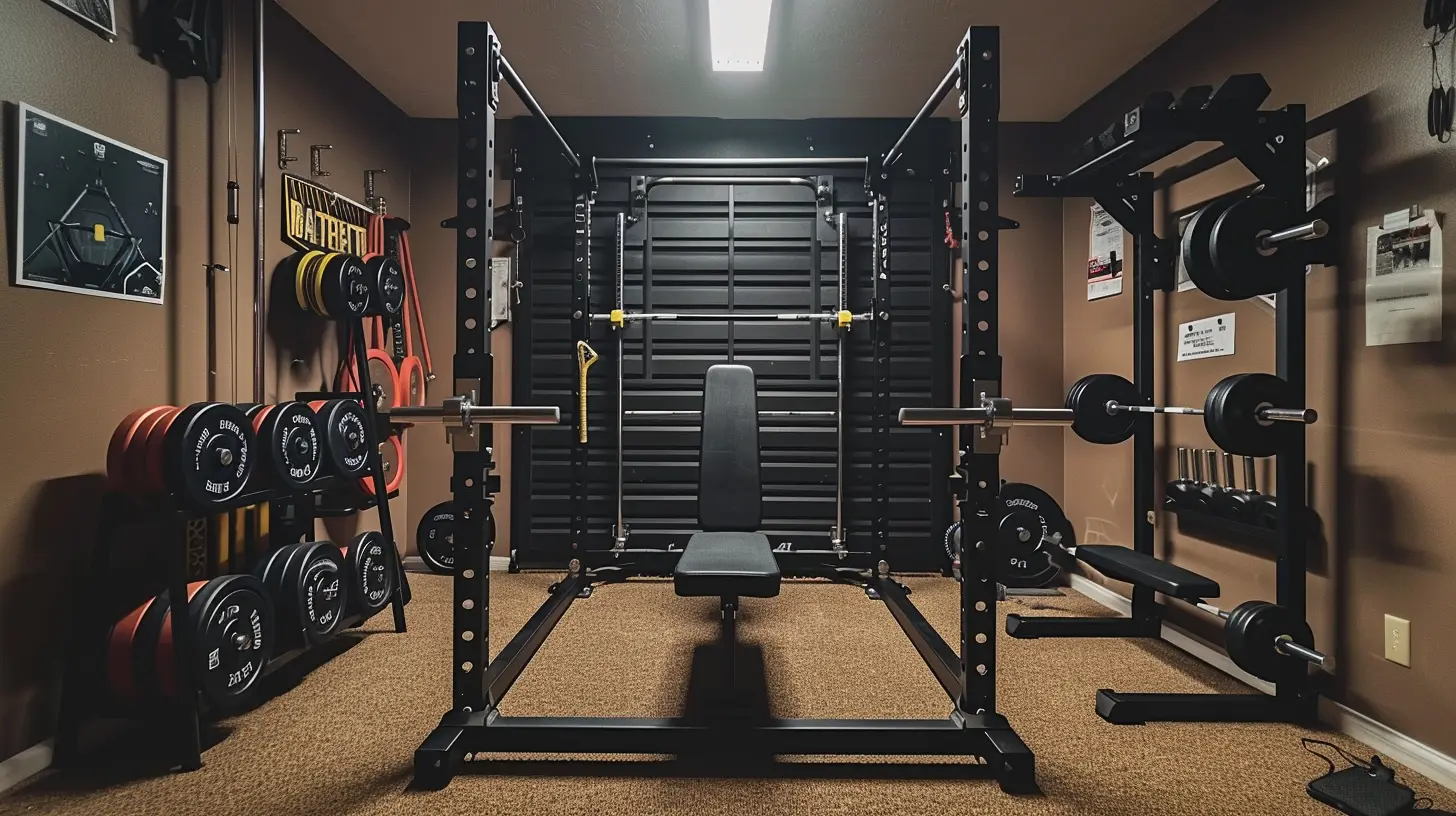
Why Set Up a Home Weight Training Area?
Before we dive into the details, let's talk about why a home setup is worth considering.- Convenience – No more driving to the gym or waiting for equipment. Work out whenever you want!
- Budget-Friendly – A one-time investment in equipment saves you from monthly gym memberships.
- Time-Saving – Forget the commute—just head to your garage, basement, or living room.
- Comfort – Train in your own space, play your favorite music, and avoid crowded gyms.
Sounds good? Now, let’s break down how to create the ultimate training setup.
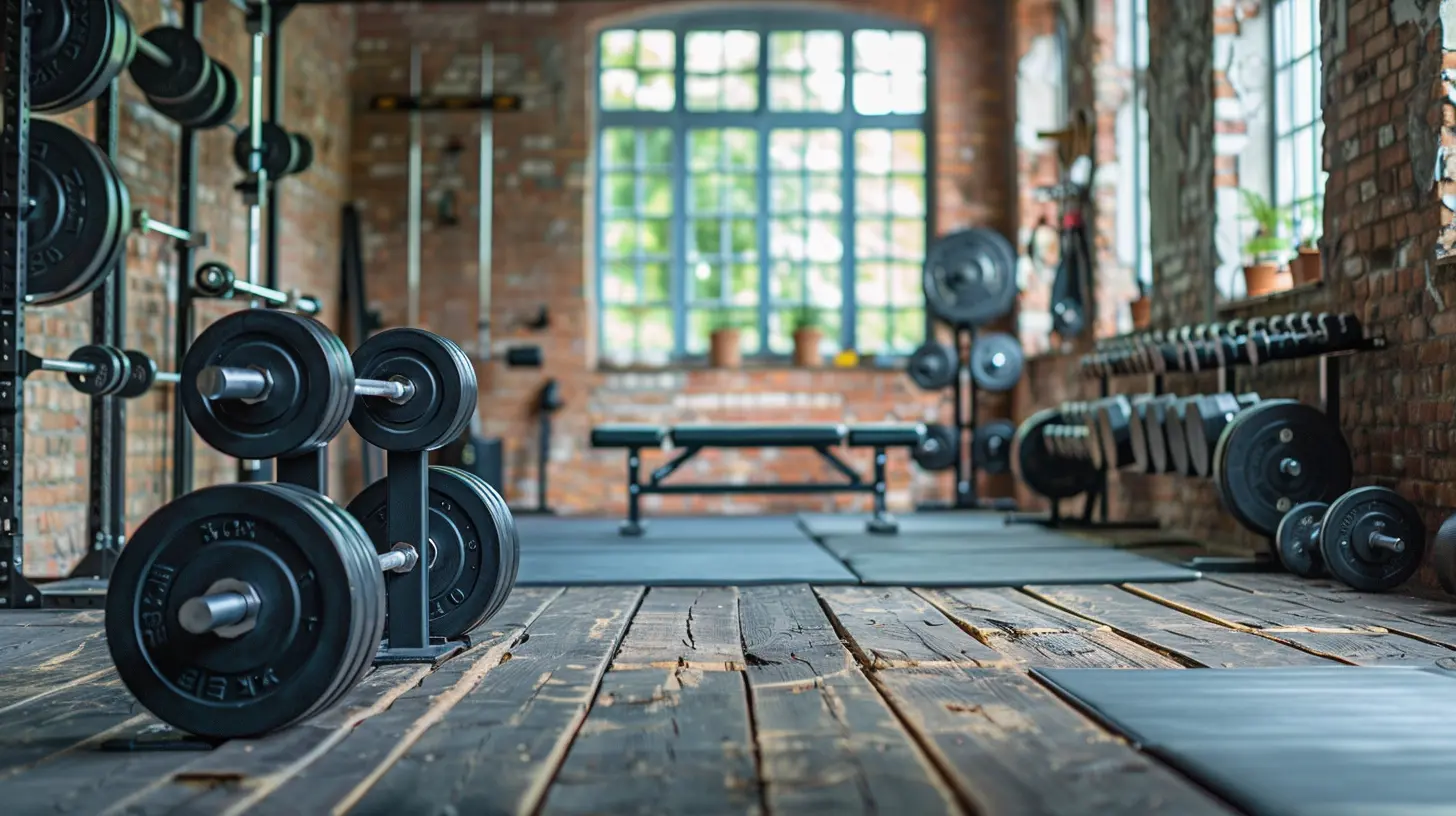
Step 1: Choose Your Space
Before buying any equipment, decide where you'll train. The ideal space depends on your home size, workout style, and storage options.Best Places for a Home Gym:
- Garage – Plenty of space, good ventilation, and can handle heavier equipment.- Basement – A great option if you want a quieter setup. Just ensure proper flooring.
- Spare Room – Works well if it's big enough, and you can store equipment neatly.
- Living Room/Bedroom Corner – If space is tight, opt for compact equipment that can be stored easily.
Consider These Factors:
- Flooring – Concrete floors can be harsh on weights. Use rubber mats for protection and noise reduction.- Ventilation – Garages and basements can get stuffy. A fan or dehumidifier can help.
- Lighting – Good lighting keeps your workout space inviting and functional.
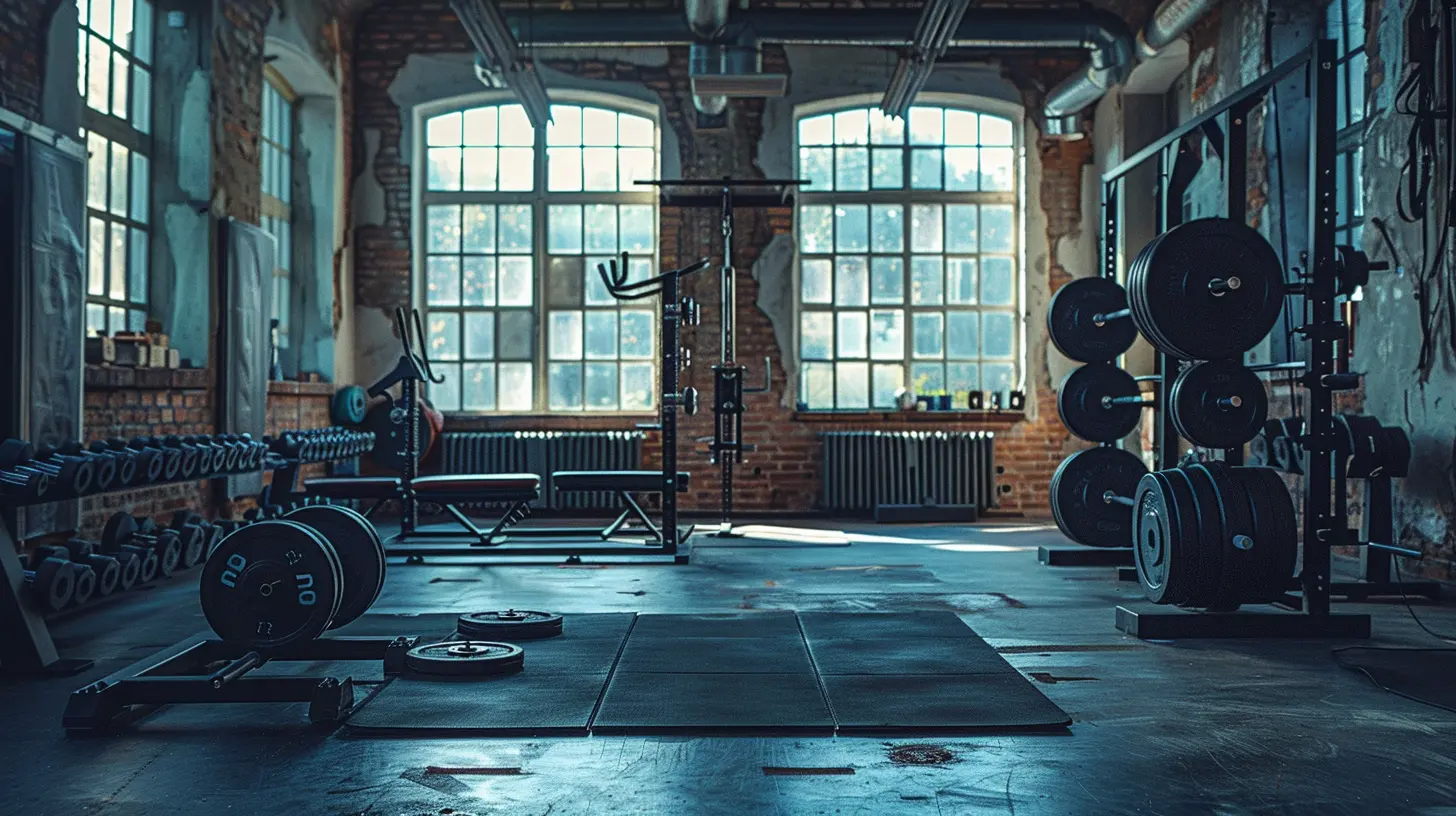
Step 2: Essential Weight Training Equipment
Now that you've got your space, it's time to pick the right gear. You don't need a commercial gym setup—just the essentials tailored to your goals.1. Adjustable Dumbbells
If you get only one piece of equipment, make it adjustable dumbbells. They save space and cover a wide range of exercises.2. Barbell & Weight Plates
For serious strength training, a barbell is a must. Get a few weight plates to allow progressive overload.3. Power Rack (If Space Allows)
A power rack is perfect for squats, bench presses, and pull-ups. If you're lifting heavy, this is worth the investment.4. Adjustable Bench
A sturdy bench expands your exercise options—perfect for presses, step-ups, and rows.5. Resistance Bands
Great for warming up, adding resistance, and even replacing dumbbells for some exercises.6. Kettlebells
Ideal for functional training, swings, and dynamic movements. Get one or two in different weights.7. Flooring & Mats
Rubber mats or puzzle mats protect your floor and reduce noise when dropping weights.8. Pull-Up Bar
A door-mounted or power rack pull-up bar is a simple tool for upper body strength.9. Storage Rack
Keeping things organized prevents clutter—and makes your home gym more inviting.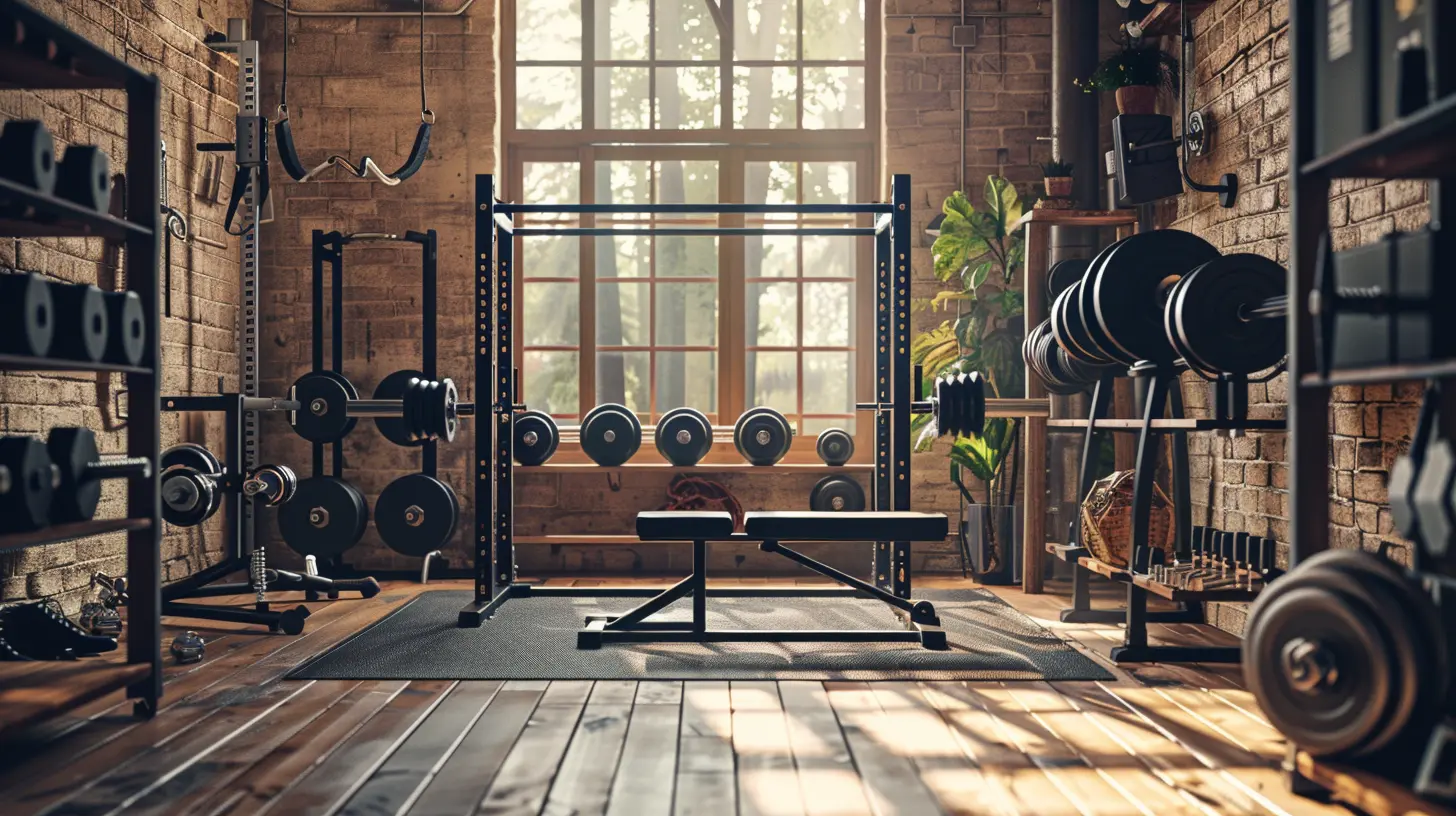
Step 3: Setting Up Your Home Gym
Now that you’ve got your gear, it's time to arrange your space for efficiency and safety.Layout Tips:
- Place larger equipment (rack, bench) first, then fit smaller items around them.- Keep a designated area for stretching and bodyweight exercises.
- Store dumbbells and weights neatly to avoid tripping hazards.
- Use wall-mounted shelves or racks for resistance bands and smaller items.
Safety Considerations:
- Secure heavy equipment – Ensure your power rack or pull-up bar is stable.- Keep the space ventilated – A fan helps prevent overheating during workouts.
- Clear enough space – Make sure you have room to move comfortably.
Step 4: Effective Home Weight Training Plan
Having the right setup is great, but you also need a solid workout plan. Here’s a simple yet effective home workout routine using your setup.Beginner Routine (3 Days/Week)
Day 1 – Upper Body:- Dumbbell Bench Press – 3 sets x 10 reps
- Barbell Rows – 3 sets x 8 reps
- Shoulder Press – 3 sets x 10 reps
- Bicep Curls – 3 sets x 12 reps
- Triceps Dips – 3 sets x 10 reps
Day 2 – Lower Body:
- Squats – 3 sets x 10 reps
- Deadlifts – 3 sets x 8 reps
- Lunges – 3 sets x 12 reps
- Calf Raises – 3 sets x 15 reps
Day 3 – Full Body & Core:
- Kettlebell Swings – 3 sets x 15 reps
- Pull-ups – 3 sets x 6 reps
- Hanging Leg Raises – 3 sets x 12 reps
- Russian Twists – 3 sets x 20 reps
?️ Tip: Adjust weights and repetitions based on your strength level. Always warm up before lifting!
Step 5: Keep the Motivation Alive
Building a home gym is one thing, but staying motivated to use it? That’s another challenge. Here’s how to stay on track:1. Set Clear Goals
Want to build muscle? Lose fat? Improve endurance? Clear goals keep you focused.2. Follow a Routine
Consistency is key. Schedule workouts just like you would a gym session.3. Track Your Progress
Write down your lifts, reps, and sets to monitor improvements.4. Change It Up
Avoid boredom by switching up exercises, trying new variations, or adding challenges.5. Create a Gym-Like Environment
Blast your favorite music, use a timer, and treat your space like a real gym.Final Thoughts
Creating the perfect home weight training setup doesn’t have to be complicated or expensive. With the right space, essential equipment, and a structured workout plan, you can build strength and achieve your fitness goals—all from the comfort of your home.So, what are you waiting for? Start setting up your dream home gym today and take control of your fitness journey!
all images in this post were generated using AI tools
Category:
Weight TrainingAuthor:

Holly Ellison
Discussion
rate this article
1 comments
Ulysses Mendoza
A good setup makes all the difference. Invest in quality gear.
June 5, 2026 at 4:27 PM
Holly Ellison
Absolutely, quality gear can enhance your workouts and keep you motivated. It's worth the investment.