How to Boost Recovery After Intense Weight Lifting Sessions
23 February 2026
So, you’ve just crushed an intense weight lifting session. Your muscles are screaming in protest, your body feels like jelly, and all you can think about is how sore you’re going to be tomorrow. Sound familiar? Don’t worry—you’re not alone. Recovery after weight lifting is just as important as the workout itself. In fact, it’s during the recovery phase that your muscles actually grow stronger. But how can you give your body the TLC it deserves to bounce back faster? Let’s dive into some tried-and-true tips to help you recover like a pro.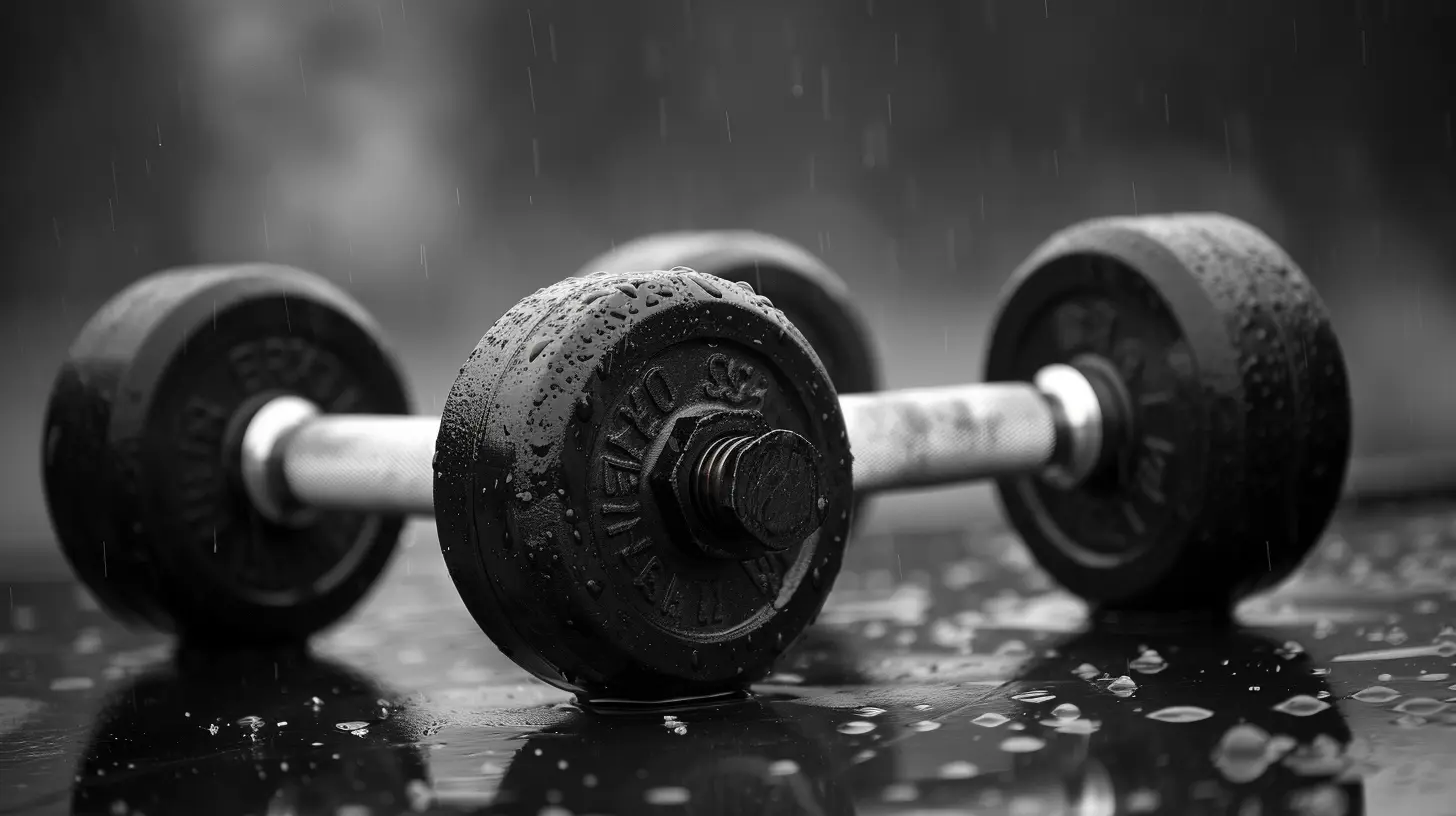
Why Recovery Matters
First things first—why is recovery such a big deal? Well, when you lift weights, you’re creating tiny tears in your muscle fibers (don't panic; this is a good thing!). During recovery, these tears repair and grow back stronger, making you leaner, more muscular, and ready to tackle even heavier lifts. If you skip proper recovery, though, you’re setting yourself up for burnout, injuries, and stalled progress. Trust me, nobody wants that.Recovery isn’t just about avoiding soreness; it’s about maximizing your gains and keeping your body healthy. So, let’s break down how to take care of your body the right way.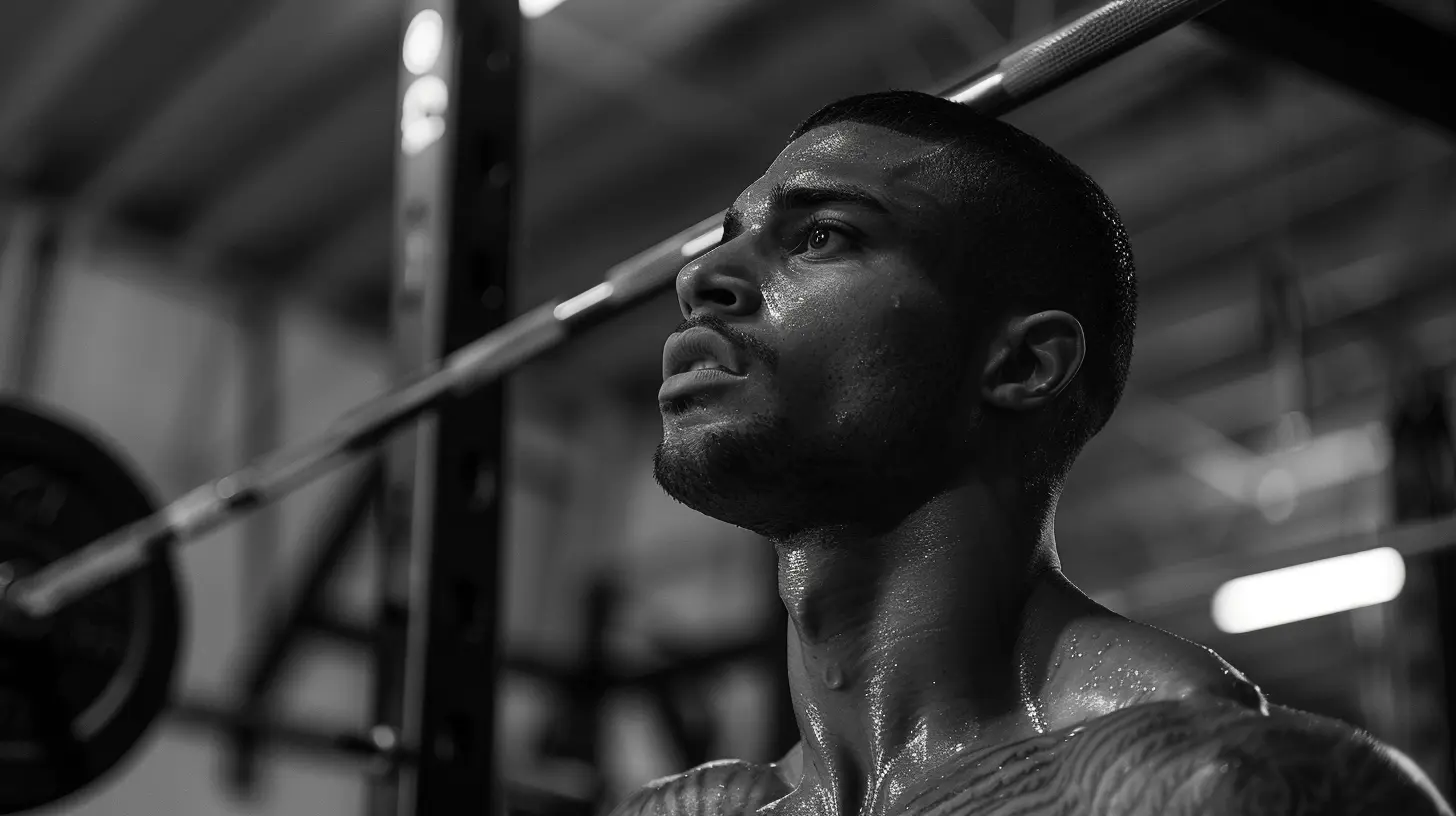
1. Prioritize Sleep: Your Body’s Repair Mode
Let’s start with the most underrated recovery hack: sleep. Sleep is like your body’s personal construction crew—it repairs damaged tissue, balances your hormones, and even replenishes your energy stores. Without enough quality sleep, all your hard work in the gym can go to waste.Aim for 7-9 hours of good-quality sleep per night. If you struggle to fall asleep, try creating a bedtime routine: dim the lights, avoid screens for an hour before bed (yes, that includes Instagram scrolling), and maybe even try some meditation or deep breathing. Think of it this way—your gains are literally made while you sleep. So, sleep like your muscles depend on it. (Spoiler: they do.)
2. Refuel with Proper Nutrition
Alright, let’s talk food. You can’t out-train a bad diet, and the same goes for recovery. After a tough weight lifting session, your body is screaming for nutrients to repair muscle fibers and replenish glycogen stores. What you eat post-workout can make or break your recovery.What to Eat After Lifting:
- Protein: To repair and rebuild muscle tissue. Aim for 20-40 grams in your post-workout meal (chicken, eggs, fish, tofu—you know the drill). Whey protein shakes are a great quick fix if you’re short on time.- Carbs: To refill glycogen stores and give your muscles energy. Think sweet potatoes, rice, oats, or even a banana. Don’t fear carbs—they’re your muscles’ best friends post-lift.
- Healthy Fats: While fats don’t play as big a role immediately after your workout, they’re still important for overall recovery. Think avocado, nuts, or olive oil.
Tip: Stay Hydrated!
Don’t underestimate the power of hydration. Water helps flush out toxins, keeps your joints lubricated, and aids in muscle recovery. Add a pinch of Himalayan salt or drink an electrolyte-rich beverage like coconut water to replenish lost minerals.
3. Stretch and Cool Down
Here’s the thing—most people skip stretching because they’re in a rush to leave the gym. (Guilty as charged?) But skipping your cooldown could leave you paying for it later in the form of soreness and stiffness.After your workout, spend 5-10 minutes doing some light stretching or yoga. Focus on the muscle groups you just worked—if it was leg day, give those hamstrings and quads some love. Stretching improves blood flow, reduces muscle tension, and helps your body relax post-workout. Think of it as the cherry on top of your workout.
4. Embrace Active Recovery
Recovery doesn’t always mean lounging on the couch (although there’s a time and place for that, too). Active recovery involves light, low-intensity movement to keep your body loose and blood flowing.Some great options for active recovery include:
- A leisurely walk or light jog
- Cycling at an easy pace
- Stretching or yoga
- Swimming
Even just 15-30 minutes of movement can help reduce muscle soreness and keep you feeling limber. Plus, it’s a great way to stay consistent without overtraining.
5. Use Recovery Tools
If you’re serious about boosting recovery, consider investing in a few recovery tools. These gadgets might look fancy, but they’ve got some serious benefits.Foam Rollers:
Yes, foam rolling hurts like heck, but it’s worth it. Rolling out your muscles can release tension, improve flexibility, and reduce soreness. Think of foam rolling as a self-massage for your muscles—it’s painful, but oh-so-satisfying afterward.Massage Guns:
Massage guns are like foam rollers on steroids. They use percussive therapy to break up knots and improve blood circulation. Perfect for targeting those hard-to-reach spots in your back or shoulders.Compression Gear:
Compression socks or sleeves can help improve blood flow and reduce swelling, speeding up recovery time. Plus, they feel like a gentle hug for your muscles—who doesn’t love that?6. Don’t Skip Rest Days
Here’s a hard truth: more isn’t always better. If you’re hitting the gym seven days a week without giving your body a break, you’re doing yourself a disservice. Rest days are when your body rebuilds, recovers, and comes back stronger.On rest days, focus on low-impact activities like walking or yoga. Or, you know, binge-watch your favorite Netflix series and let your body relax. Balance is key—your muscles grow during rest, not during work.
7. Try Cold Therapy or Contrast Showers
Ever see athletes dunk themselves in ice baths and wonder why? That’s cold therapy, and it’s a game-changer for recovery. Cold therapy reduces inflammation and speeds up the healing process, making it ideal for post-workout recovery. If an ice bath feels like too much, try a contrast shower—alternate between hot and cold water for a few minutes. It’s like giving your muscles a wake-up call.8. Stay Consistent with Mobility Work
If you want to recover faster and perform better, don’t neglect mobility work. This could be as simple as a few minutes of dynamic stretches before your workout or incorporating yoga into your weekly routine. Improving your range of motion not only reduces your risk of injury but also helps your muscles recover more efficiently.9. Supplement Smartly (But Don’t Overdo It)
Supplements aren’t magic, but they can give you a little extra boost when used correctly. Here are a few to consider for recovery:- BCAAs (Branched-Chain Amino Acids): Help reduce muscle soreness and support protein synthesis.
- Creatine: Speeds up recovery and gives your muscles more energy for your next session.
- Magnesium: Great for relaxing muscles and improving sleep quality.
Of course, supplements aren’t a substitute for a solid diet, so make sure you’ve got your nutrition dialed in first.
10. Listen to Your Body
Finally, the most important tip of all: listen to your body. If you’re feeling unusually fatigued or find yourself dreading your workouts, it might be a sign you’re overdoing it. Recovery isn’t one-size-fits-all—it depends on factors like your training intensity, age, and overall fitness level. Pay attention to how your body feels and adjust your routine as needed.Final Thoughts
Boosting your recovery after intense weight lifting sessions doesn’t have to be complicated. It’s all about taking care of the basics—sleep, nutrition, hydration, and a little TLC for your muscles. Think of recovery as the yin to your workout’s yang. You can’t have one without the other, and when you strike the right balance, that’s when the magic happens.So the next time you’re hobbling out of the gym after leg day, remember: recovery is where the real progress happens. Treat your body well, and it’ll reward you with strength, endurance, and gains for days.
all images in this post were generated using AI tools
Category:
Post Workout RecoveryAuthor:

Holly Ellison
Discussion
rate this article
2 comments
Karen Taylor
Great tips! Prioritizing hydration, nutrition, and sleep is essential for optimal recovery after intense weight lifting. Incorporating active recovery days and gentle stretching can also enhance muscle repair. Remember, listening to your body and giving it time to recover is key to long-term progress and injury prevention. Keep lifting smart!
March 18, 2026 at 5:42 AM
Holly Ellison
Thank you for your insightful comment! Prioritizing hydration, nutrition, sleep, and active recovery is indeed crucial for effective recovery and long-term progress. Keep lifting smart!
Quade Cook
Absolutely loved this article! It's packed with fantastic tips to enhance recovery after those tough weightlifting sessions. Remember, rest and nourishment are just as vital as the workout. Keep lifting and thriving! 🌟💪
February 23, 2026 at 5:24 PM
Holly Ellison
Thank you so much! I'm glad you found the tips helpful. Remember, balance is key! Keep pushing your limits! 💪✨