How the Paleo Diet Can Help Alleviate Autoimmune Conditions
28 December 2025
Let’s get real for a second: if you’re dealing with an autoimmune condition, life can feel like a game of whack-a-mole. Just when one symptom settles down, another pops up. Fatigue, brain fog, joint pain, digestive issues—it’s like your body’s throwing a tantrum without telling you why.
But here’s a little secret that’s been helping a ton of people: the Paleo diet. Yeah, the “caveman” diet isn’t just about eating like a Flintstone—it could actually help calm your overreactive immune system. Sounds wild, right?
So grab your favorite herbal tea, snuggle up, and let’s chat about how ditching processed grub and going back to your dietary roots might just be the soothing balm your immune system’s been begging for.
What Are Autoimmune Conditions Anyway?
Okay, quick science pop quiz—don’t worry, there’s no grade.An autoimmune condition is when your immune system, which is supposed to defend you, gets its wires crossed and starts attacking healthy parts of your body instead. Think of it like a faulty smoke alarm that goes off every time you toast bread.
Common autoimmune conditions include:
- Rheumatoid arthritis
- Hashimoto’s thyroiditis
- Lupus
- Multiple sclerosis
- Celiac disease
- Psoriasis
These conditions vary wildly, but they all have one thing in common: inflammation. Chronic, often painful, inflammation. So, naturally, anything that might help cool things down in your body is worth a shot, right?
Why Food Matters More Than You Think
You’ve probably heard the saying, “you are what you eat.” Well, when it comes to autoimmune issues, that’s not just fridge magnet wisdom—it’s legit science.What you eat can either:
- Fuel the fire (hello, sugar and gluten)
- Or fan the flames out (enter anti-inflammatory foods)
Some foods are like peacekeepers for your immune system, while others throw it into full-on battle mode. That’s where the Paleo diet comes in.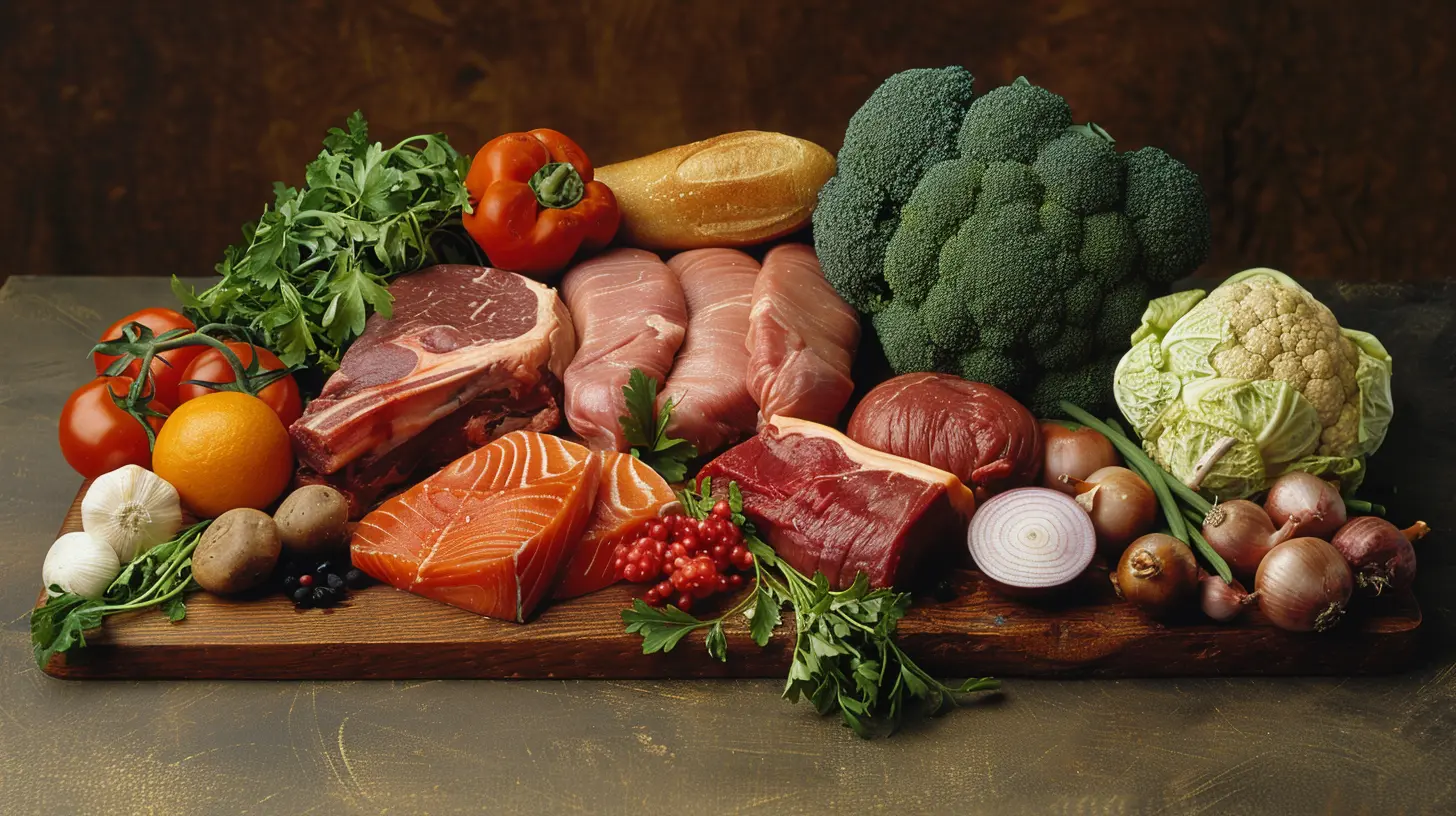
Paleo 101: What’s This “Caveman” Diet All About?
Let’s break it down. The Paleo diet is all about eating what our hunter-gatherer ancestors might have eaten—think before farms, factories, and drive-thrus.That means:
✅ Lean meats
✅ Fish and seafood
✅ Fruits and veggies
✅ Nuts and seeds
✅ Healthy fats (like olive oil, avocado, and coconut)
And saying buh-bye to:
🚫 Grains (yep, that includes gluten)
🚫 Dairy
🚫 Legumes (like beans and peanuts)
🚫 Processed foods and refined sugars
🚫 Industrial seed oils
Now, I know what you’re thinking—“No bread? No cheese?!” Take a deep breath. Going Paleo isn’t about deprivation. It’s about giving your body the stuff it actually thrives on.
So... How Does Paleo Help With Autoimmune Conditions?
Great question. Let’s dig into the nitty-gritty, shall we?1. It Reduces Inflammation
Inflammation is at the heart of every autoimmune condition. And guess what? The standard modern diet filled with sugar, refined grains, and processed junk keeps that inflammation burning.The Paleo diet, on the other hand, is packed with anti-inflammatory powerhouses like:
- Leafy greens (hello, kale and spinach)
- Omega-3 rich fish (like salmon)
- Berries
- Nuts and seeds
Think of it as swapping gasoline for water on the fire that’s raging in your body.
2. It Supports Gut Health
Ever heard of the gut-autoimmune connection? Your gut is home to 70% of your immune system. If your gut’s unhappy, your immune system can go haywire.Many autoimmune warriors have something called “leaky gut,” where the gut lining becomes more permeable than it should be, letting toxins and undigested food slip into the bloodstream. Yikes.
The Paleo diet removes major gut irritants like:
- Gluten
- Dairy
- Legumes
- Processed food
And fills your plate with gut-healing foods like bone broth, fermented veggies, and fiber-rich plants.
3. It Helps Balance Blood Sugar
Spikes in blood sugar can lead to inflammation and immune system confusion. Keeping your blood sugar stable helps your energy, mood, and immune response.The Paleo diet encourages whole foods, lean protein, and healthy fats—all of which help to balance your blood sugar like a nutritional tightrope walker.
4. It Eliminates Common Triggers
A lot of people with autoimmune conditions are unknowingly sensitive to things like gluten, dairy, soy—you name it. Paleo wipes the slate clean. You eliminate common triggers and focus on nutrient-dense, real food.It’s basically the ultimate elimination diet—without sounding like a science experiment.
What Is the Autoimmune Protocol (AIP) Paleo Diet?
Alright, if Paleo is the cleanup crew for your diet, AIP is the supercharged, deep-cleaning, white-glove version.The Autoimmune Protocol is like an extra-strict version of Paleo, designed specifically for autoimmune folks. On top of the usual Paleo no-no's, AIP also cuts out:
- Nightshades (tomatoes, peppers, eggplants, etc.)
- Eggs
- Nuts and seeds
- Coffee (sorry!)
- Alcohol
I know, I know—it sounds intense. But the idea is to eliminate anything that could be inflammatory or triggering, give your gut a break, and then slowly reintroduce foods to see what your body tolerates.
Many people see huge results from AIP—reduced pain, better sleep, more energy, and fewer flares.
What’s It Actually Like to Eat Paleo?
You’d be surprised how tasty things can get without all the junk. Here’s a peek into a typical Paleo day:Breakfast: Scrambled eggs with spinach and sweet potatoes
Lunch: Grilled chicken salad with avocado and olive oil
Snack: Apple slices with almond butter (AIP folks might skip the nuts)
Dinner: Salmon, steamed broccoli, and mashed cauliflower
Dessert (yes, you can still have dessert!): Coconut milk chia pudding with berries
Once you get into the groove, it’s not just doable—it’s delicious.
Real Talk: What Are the Challenges?
Let’s not sugarcoat it (pun totally intended)—switching to Paleo can be a bit of a culture shock. Here are a few honest bumps in the road:- Cravings: Your body might throw tantrums at first when you cut sugar and processed carbs. That’s normal and temporary.
- Eating out: Restaurants are trickier, but not impossible. Think grilled proteins, big salads, and sides of veggies.
- Meal prep: You’ll need to cook more. But hey, it’s a great excuse to finally use that Instant Pot.
The upside? You start feeling more alive in your body. And that, my friend, makes the learning curve totally worth it.
Tips to Make Paleo Easier (And Stick With It!)
Want to give it a go but not sure where to start? Here’s how to keep it simple and sustainable:👉 Start slow—You don’t have to go full Paleo overnight. Begin by cutting processed foods, then grains, then dairy.
👉 Batch cook—Spend one day cooking big meals so you can grab and go all week.
👉 Stock your kitchen—Keep Paleo staples handy: coconut oil, bone broth, fresh produce, almond flour.
👉 Make swaps—Craving pasta? Try zucchini noodles. Missing bread? Paleo tortillas, baby.
👉 Find your tribe—Join online AIP or Paleo support groups. Shared struggles = shared strength.
Could the Paleo Diet Be Your Autoimmune Game-Changer?
Let’s face it—there’s no one-size-fits-all diet when it comes to autoimmune conditions. But the Paleo lifestyle? It’s a strong contender for helping calm chronic inflammation and giving your immune system a well-deserved breather.You may not turn into a barefoot hunter-gatherer overnight, but even a moderate Paleo approach can help you feel more vibrant, less foggy, and more in control of your health.
And at the end of the day, it’s not just about removing foods. It’s about adding the ones that help you thrive.
So, is it time to go a little Paleo? Your immune system just might thank you.
all images in this post were generated using AI tools
Category:
Paleo DietAuthor:

Holly Ellison
Discussion
rate this article
2 comments
Tate Jimenez
The Paleo diet emphasizes whole, unprocessed foods that may reduce inflammation and support immune function, potentially alleviating symptoms of autoimmune conditions. A worthwhile approach for those seeking relief!
January 30, 2026 at 3:39 PM
Holly Ellison
Thanks for your insights! The focus on whole foods truly makes a difference for many with autoimmune issues.
Milena Kirkland
The Paleo diet focuses on whole foods, potentially reducing inflammation and improving symptoms of autoimmune conditions.
December 30, 2025 at 3:52 PM
Holly Ellison
Absolutely! The Paleo diet's emphasis on whole foods can indeed support reduced inflammation, which is beneficial for managing autoimmune conditions.