How Label Reading Can Help You Lose Weight Naturally
1 October 2026
Most people who want to lose weight start with the same move. They change what is on their plate. They cut carbs, count calories, or try a new diet plan. Fewer people start by changing how they shop. That is where label reading comes in, and it is one of the most underrated skills in weight management.
Reading food labels is not about becoming obsessed with numbers. It is about making informed choices in a food environment that is designed to confuse you. Packaging is marketing. The front of a box is written to sell. The back of a box, specifically the Nutrition Facts panel and the ingredient list, is where the actual information lives. Once you understand how to read that information, you stop guessing. You start making decisions that support your goals without relying on willpower alone.
This article explains how label reading works, why it helps with natural weight loss, where it can mislead you, and how to apply it in real life without turning every grocery trip into a research project.
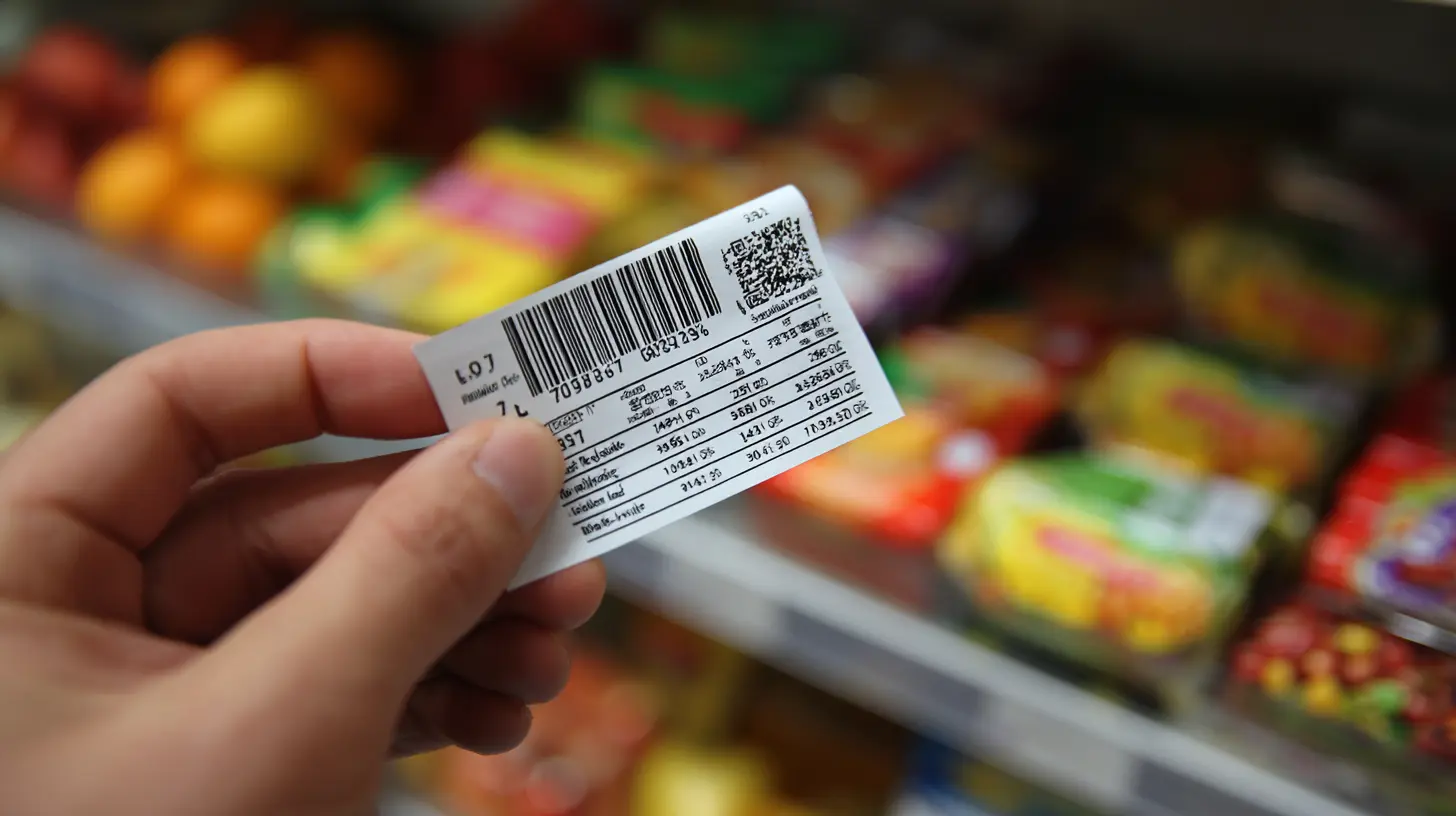
Why Labels Matter More Than Willpower
Weight gain is rarely the result of one bad decision. It is usually the result of hundreds of small decisions made in an environment that pushes you toward calorie-dense, hyper-palatable foods. You are not weak. You are outnumbered.Food manufacturers spend enormous resources on making products that taste good, feel satisfying, and are cheap to produce. Fat, sugar, and salt are the three levers they pull most often, because those combinations drive repeat purchases. A product that tastes "just okay" does not survive on a shelf. A product engineered to hit the perfect blend of sweet, salty, and creamy does.
This matters because your appetite system did not evolve to handle these foods. Whole foods like apples, lentils, or plain chicken come with built-in brakes. Fiber, water content, and chewing time all signal fullness. Ultra-processed foods remove those brakes. They are soft, quick to eat, and calorie-dense. You can consume 500 calories in three minutes and still feel hungry twenty minutes later.
Label reading interrupts that cycle. It gives you a way to see what a product actually contains before it enters your kitchen. That single pause, repeated over time, changes your default choices. And default choices, not heroic acts of discipline, are what shape body weight over months and years.
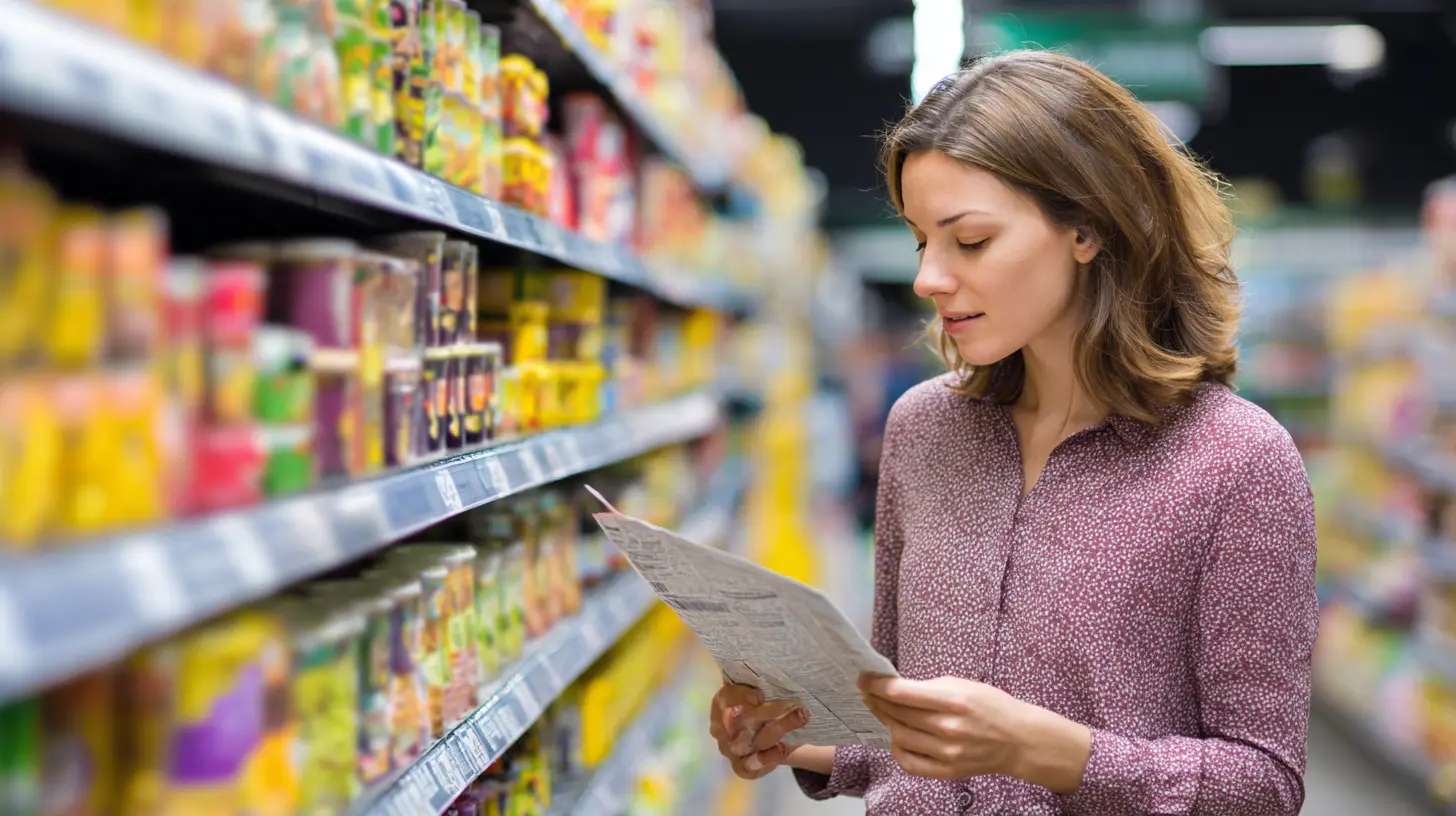
The Two Halves of a Food Label
A food label has two distinct parts, and they serve different purposes. Confusing them is one of the most common mistakes.The Nutrition Facts Panel
This is the standardized grid showing calories, fat, carbohydrates, protein, fiber, sugar, sodium, and key micronutrients per serving. It is regulated, so the numbers are reliable within a margin of error. This panel is useful for comparing two similar products, checking protein content, and understanding how calorie-dense a food is.The Ingredient List
This tells you what is actually in the product, listed by weight from highest to lowest. If sugar appears first, the product is mostly sugar. If it appears three times under different names, the total sugar load is higher than the panel's "sugars" line might suggest at a glance.The ingredient list is often more revealing than the nutrition panel, especially for processed foods. A product can be low in calories but loaded with additives that affect appetite, digestion, or blood sugar. A product can be "made with real fruit" and contain almost none.
Serving Size: The Number That Changes Everything
The single most important number on a label is the serving size. Everything else is calculated from it.Here is the problem. Serving sizes on labels are not recommendations. They are simply the amount the manufacturer used to calculate the numbers. They are often unrealistically small. A bottle of juice might list "one serving" as 8 ounces, but the bottle contains 16 ounces. Drink the whole thing and you have doubled every number on the panel, including calories.
This is not a loophole. It is a design choice. A smaller serving size makes the calorie count look better. A cereal that lists 120 calories per serving sounds light until you realize the serving is half a cup and your bowl holds two cups.
How to Handle Serving Sizes in Practice
- Check how many servings are in the container. If it is more than one, multiply accordingly.- Weigh or measure your actual portion the first few times you eat a new product. Most people are surprised by how far off their estimate is.
- For foods you eat regularly, learn your real portion and the calories that come with it. Then you stop doing math every time.
This is not about precision for its own sake. It is about closing the gap between what you think you are eating and what you are actually eating. That gap is often where weight gain hides.
Calories: Useful, But Not the Whole Story
Calories matter for weight loss. That is not debatable. A sustained calorie deficit is required to lose fat. But how you reach that deficit matters for how you feel, how hungry you are, and whether you can sustain it.Two foods can have the same calories and produce very different effects on appetite. A 200-calorie serving of almonds and a 200-calorie serving of gummy candy are not equivalent in practice. The almonds contain fat, protein, and fiber. They take time to chew. They trigger satiety signals. The candy is mostly sugar, digests quickly, and leaves you hungry again soon after.
When you read labels, you are not just counting calories. You are evaluating the package that delivers those calories. A product with protein and fiber per serving will keep you full longer than one without. That means you eat less later without trying.
A Practical Rule
When comparing two products with similar calories, choose the one with more protein and more fiber. This is one of the simplest and most reliable label-reading habits you can build.Sugar: The Many Names Problem
Sugar is the ingredient most likely to undermine weight loss, and it is also the most disguised.Food labels list ingredients by weight. Manufacturers know that consumers scan for "sugar" and react negatively. So they split sugar into multiple ingredients, each appearing lower on the list. You might see cane sugar, brown rice syrup, dextrose, maltodextrin, and fruit juice concentrate, all in the same product. Individually, each looks minor. Together, they can make up a large portion of the product.
This is not a conspiracy theory. It is standard industry practice, and it is legal. The only defense is to read the whole ingredient list and recognize the many forms sugar takes.
Common Sugar Aliases to Watch For
- Cane sugar, cane juice, evaporated cane juice- Brown rice syrup, corn syrup, high-fructose corn syrup
- Dextrose, maltose, sucrose, glucose
- Maltodextrin
- Fruit juice concentrate
- Agave nectar, honey, maple syrup
- Barley malt, rice syrup
Some of these sound healthier than white sugar. In terms of how your body processes them, the differences are often small. Honey and agave are still sugar. They may have trace minerals, but the metabolic impact is similar enough that they should not be treated as free foods.
Added Sugar vs Total Sugar
The Nutrition Facts panel now distinguishes between total sugars and added sugars. This is genuinely useful. Total sugars include naturally occurring sugars from fruit, milk, or yogurt. Added sugars are what the manufacturer put in. For weight loss, added sugars are the ones to watch.A plain yogurt might have 8 grams of total sugar, all from lactose. A flavored yogurt might have 20 grams, with 12 of those added. Same category of food, very different impact.
Fiber: The Unsung Hero of Satiety
Fiber is the nutrient most strongly associated with feeling full and eating less overall. It slows digestion, adds bulk to food, and feeds beneficial gut bacteria. Most people eat far less fiber than recommended.On a label, fiber is listed under carbohydrates. Look for products with at least 3 grams of fiber per serving, and ideally more. But be careful. Fiber added to processed foods is not always the same as fiber naturally present in whole foods. Inulin, chicory root fiber, and soluble corn fiber are common additives. They can cause bloating in some people and may not deliver the same benefits as fiber from oats, beans, or vegetables.
When Fiber Claims Mislead
A protein bar with "10 grams of fiber" sounds great until you read the ingredient list and see that most of it comes from added isolates. The bar may still be a reasonable choice, but it is not equivalent to a bowl of lentils. Use the label to understand the source, not just the number.Protein: The Anchor of a Weight Loss Diet
Protein is the most satiating macronutrient. It also helps preserve muscle mass during weight loss, which matters because muscle burns more calories at rest than fat. When you lose weight, you want to lose fat, not muscle. Adequate protein helps ensure that.On a label, protein is straightforward. Look for products with meaningful protein per serving relative to calories. A general benchmark: if a product has 100 calories and 10 grams of protein, that is a strong ratio. If it has 200 calories and 4 grams, it is mostly something else.
Protein and Processing
Not all protein sources are equal. A grilled chicken breast and a chicken-flavored protein chip both contain protein, but the chip likely contains refined starches, added oils, and sodium. The label helps you see the whole picture. Protein content alone does not make a food healthy.
Sodium and Other Numbers: Context Matters
Sodium does not directly cause weight gain, but it causes water retention that can mask fat loss on the scale. More importantly, high sodium intake is often a marker of highly processed food. If a product is high in sodium, it is usually high in other things you want to limit.For most people, aiming for products with less than 400 milligrams of sodium per serving is a reasonable guideline. But context matters. A can of beans with 300 milligrams of sodium is fine if you rinse them. A frozen dinner with 900 milligrams is a different story.
The same logic applies to saturated fat and added oils. They are not automatically bad, but they contribute to calorie density. A product with 15 grams of fat per small serving is easy to overeat because fat carries a lot of calories in a small volume.
The Ingredient List: Reading Between the Lines
The ingredient list is where you separate real food from food-like products. A useful rule: the shorter the list, the better, with some exceptions.A jar of peanut butter should contain peanuts and maybe salt. If it contains hydrogenated oil, sugar, and a stabilizer, it is a different product. A loaf of bread should contain flour, water, yeast, and salt. If it contains dough conditioners, emulsifiers, and preservatives, it is engineered for shelf life, not nutrition.
What to Look For
- Length: Shorter is generally better, but not always. Some minimally processed foods have long lists of spices.- Familiarity: If you do not recognize an ingredient, it does not automatically mean it is harmful. But it does mean the product is processed.
- Position: Ingredients near the top are present in larger amounts. If sugar, oil, or refined flour is in the first three, the product is mostly those things.
- Whole grains: "Wheat flour" is refined. "Whole wheat flour" is not. "Enriched flour" is refined with vitamins added back.
Front-of-Package Claims: Marketing, Not Science
The front of a package is not regulated the same way as the Nutrition Facts panel. Claims like "natural," "wholesome," "made with real fruit," and "lightly sweetened" have loose definitions or none at all."Natural" means almost nothing. It does not mean healthy, low-calorie, or minimally processed. "Made with whole grains" can mean the product contains a tiny amount of whole grain alongside mostly refined flour. "No added sugar" can mean the product is sweetened with fruit juice concentrate, which is still sugar.
The front of the package is designed to make you feel good about buying. The back of the package is designed to inform you. Trust the back.
How Label Reading Translates to Weight Loss
Label reading does not burn calories. It changes what enters your home. That is the mechanism.It Reduces Calorie Density Without Reducing Volume
When you choose products with more fiber and protein and less added sugar and oil, you naturally eat fewer calories for the same amount of food. You are not restricting. You are upgrading.It Breaks Automatic Eating
Most overeating happens on autopilot. You eat what is in front of you. Label reading forces a moment of awareness before purchase. That awareness carries over into eating.It Exposes Hidden Calories
Liquid calories are a common blind spot. A flavored coffee drink can contain 400 calories. A bottle of kombucha can contain 60. A "healthy" smoothie can contain 500. Labels make these visible.It Helps You Compare
Two brands of granola might look identical on the front. On the back, one has 140 calories and 5 grams of sugar per serving, the other has 280 calories and 14 grams of sugar. Same shelf, same category, very different impact.
Common Mistakes and Misconceptions
Mistake 1: Trusting the Front of the Package
The front is marketing. The back is data. Always flip the package.Mistake 2: Ignoring Serving Size
A product with 100 calories per serving is not low-calorie if you eat four servings.Mistake 3: Assuming "Organic" Means Low-Calorie
Organic cookies are still cookies. Organic sugar is still sugar.Mistake 4: Chasing "Keto," "Paleo," or "Gluten-Free" Labels
These labels describe what a product does not contain, not what it does. A gluten-free brownie is still a brownie.Mistake 5: Obsessing Over Every Number
Label reading is a tool, not a religion. If you spend 20 minutes in the cereal aisle comparing boxes, you are overdoing it. Learn the categories that matter to you and move on.Mistake 6: Ignoring the Ingredient List
A product can have a decent Nutrition Facts panel and a terrible ingredient list. Read both.When Label Reading Is Not Enough
Label reading is powerful, but it has limits.It does not help much with whole foods. An apple does not have a label. Neither does a chicken breast or a head of broccoli. If most of your diet comes from whole foods, you need less label reading, not more.
It does not account for your individual metabolism, medical conditions, or medications. If you have diabetes, kidney disease, or another condition that affects diet, work with a professional rather than relying on labels alone.
It does not replace overall diet quality. You can eat a diet of "healthy" labeled processed foods and still feel terrible. Labels help you choose better packaged foods, but they are not a substitute for cooking, whole foods, and variety.
Practical Strategies for Real Life
Start With One Category
Do not try to read every label on your first trip. Pick one category, like yogurt, bread, or snack bars. Compare three or four options. Choose the best one. Next trip, pick another category.Use the 5/20 Rule
For nutrients you want more of, like fiber and protein, aim for 20 percent or more of the daily value per serving. For nutrients you want less of, like added sugar and sodium, aim for 5 percent or less. This is a rough guideline, not a strict rule, but it speeds up decisions.Compare Within Categories
Do not compare a granola bar to a steak. Compare granola bars to granola bars. The goal is to find the best option in the category you are already buying from.Prioritize Protein and Fiber
If you only look at two numbers, look at these. They drive satiety, which drives how much you eat later.Watch Liquid Calories
Drinks are the easiest place to consume calories without noticing. Check the label on every beverage that is not water or plain tea.Do Not Demonize All Processing
Some processing is fine. Frozen vegetables, canned beans, and plain yogurt are all processed to some degree. The goal is not to avoid processing. It is to avoid products engineered to make you overeat.A Realistic Example
Imagine you are buying granola. You pick up two boxes.Box A: 140 calories, 5 grams of sugar, 3 grams of fiber, 4 grams of protein per serving. Ingredients: oats, almonds, honey, salt.
Box B: 280 calories, 14 grams of sugar, 2 grams of fiber, 3 grams of protein per serving. Ingredients: oats, sugar, canola oil, corn syrup, honey, natural flavor, salt.
Box A is the better choice. It has fewer calories, less sugar, more fiber, and a shorter ingredient list. It also costs more. That is a real trade-off. You have to decide whether the better choice fits your budget.
This is what label reading looks like in practice. It is not about finding perfect foods. It is about making better choices within the constraints you have.
The Long Game
Weight loss that lasts is not built on restriction. It is built on habits that you can sustain. Label reading is one of those habits. It takes a few weeks to learn and then becomes automatic. You stop thinking about it. You just know which brands to buy and which to skip.The goal is not to read every label forever. The goal is to build a mental database of go-to products that support your goals. Once you have that, you shop faster, eat better, and stop fighting yourself at every meal.
That is what natural weight loss looks like. Not a crash diet. Not a cleanse. Just a series of small, informed decisions that add up over time. Label reading is one of the most reliable ways to make those decisions without relying on willpower you may not have.
all images in this post were generated using AI tools
Category:
Food Label ReadingAuthor:

Holly Ellison