How Fitness Apps Are Leveling the Playing Field in Health Care
18 November 2026
The intersection of technology and health care has evolved dramatically over the past decade. Fitness apps have emerged not just as tools for tracking workouts or calorie intake, but as pivotal players in the broader health care landscape. They have democratized access to health resources, personalized fitness guidance, and crucial health data, leveling the playing field for individuals who may not have had the same opportunities in traditional health care settings.

The Rise of Fitness Apps
A Brief History
The journey of fitness apps began in the early 2000s with basic pedometer applications. However, the proliferation of smartphones catalyzed their evolution. By the time the Apple App Store launched in 2008, a wave of fitness applications began to emerge, offering features like GPS tracking, social sharing, and personalized workout plans. The introduction of wearable technology further accelerated this trend, allowing users to monitor their health metrics in real time.The Current Landscape
Today, the fitness app ecosystem is vast, comprising thousands of applications catering to various needs, from weight loss and strength training to yoga and mental wellness. Some of the most popular apps include MyFitnessPal, Strava, Fitbit, and Nike Training Club. These platforms not only provide workout routines but also foster community support, accountability, and motivation, which are crucial for long-term adherence to fitness goals.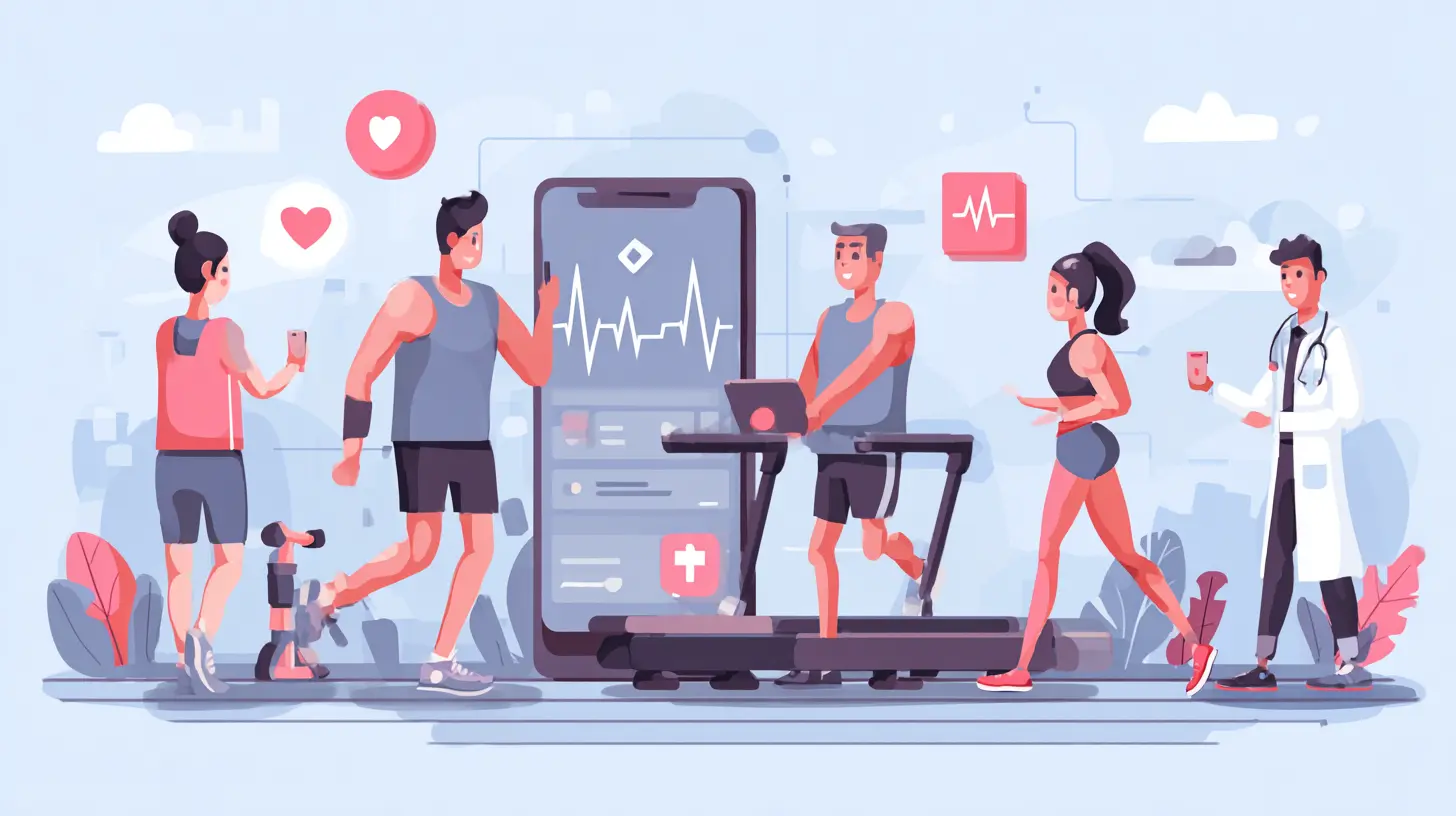
How Fitness Apps Empower Individuals
Accessibility and Affordability
One of the most significant advantages of fitness apps is their accessibility. Unlike traditional gyms or personal trainers, which can be prohibitively expensive, many fitness apps are free or offer affordable subscription models. This democratizes access to fitness resources, making it possible for individuals from various socio-economic backgrounds to engage in health-promoting activities.For example, a user in a rural area may not have access to a gym but can download a fitness app to access workout plans, nutrition guidance, and community support. This level of accessibility is crucial in addressing health disparities that often exist in underserved populations.
Personalization and Adaptability
Fitness apps utilize algorithms and user data to provide personalized experiences. Users can input their fitness levels, goals, and preferences, allowing the app to tailor workouts and nutrition plans accordingly. This personalization increases the likelihood of success, as individuals are more likely to stick with programs that resonate with their specific needs.many apps adapt over time. For instance, if a user progresses from beginner to intermediate, the app will adjust the difficulty of workouts automatically. This adaptability is vital for maintaining engagement and avoiding plateaus.
Data-Driven Insights
Fitness apps provide users with valuable data about their health and fitness. Metrics such as step count, heart rate, calories burned, and sleep patterns can be tracked over time, offering insights that may be difficult to glean through traditional health care visits.This data can empower users to make informed decisions about their health. For example, if a user notices a decline in their sleep quality, they might choose to adjust their evening routine or consult a healthcare professional. some apps allow users to share their data with healthcare providers, facilitating more informed discussions during appointments.

The Role of Community and Accountability
Social Features
Many fitness apps incorporate social features, allowing users to connect with friends or join groups based on shared goals. This sense of community can be a powerful motivator. Research shows that individuals who engage in group activities are more likely to adhere to their fitness goals.For instance, Strava's leaderboard and challenges encourage users to compete with friends, fostering a sense of camaraderie and accountability. This social aspect of fitness can be particularly beneficial for those who thrive in collaborative environments.
Accountability Mechanisms
Accountability is a crucial factor in achieving health goals. Fitness apps often include features like reminders, progress tracking, and goal-setting tools that encourage users to stay on track. For example, users can set daily step goals and receive notifications when they are nearing their target, prompting them to get moving.In addition, some apps offer virtual coaching or feedback, providing users with a sense of support and guidance. This combination of technology and human interaction can enhance motivation and commitment.
Bridging Gaps in Health Care
Integration with Health Systems
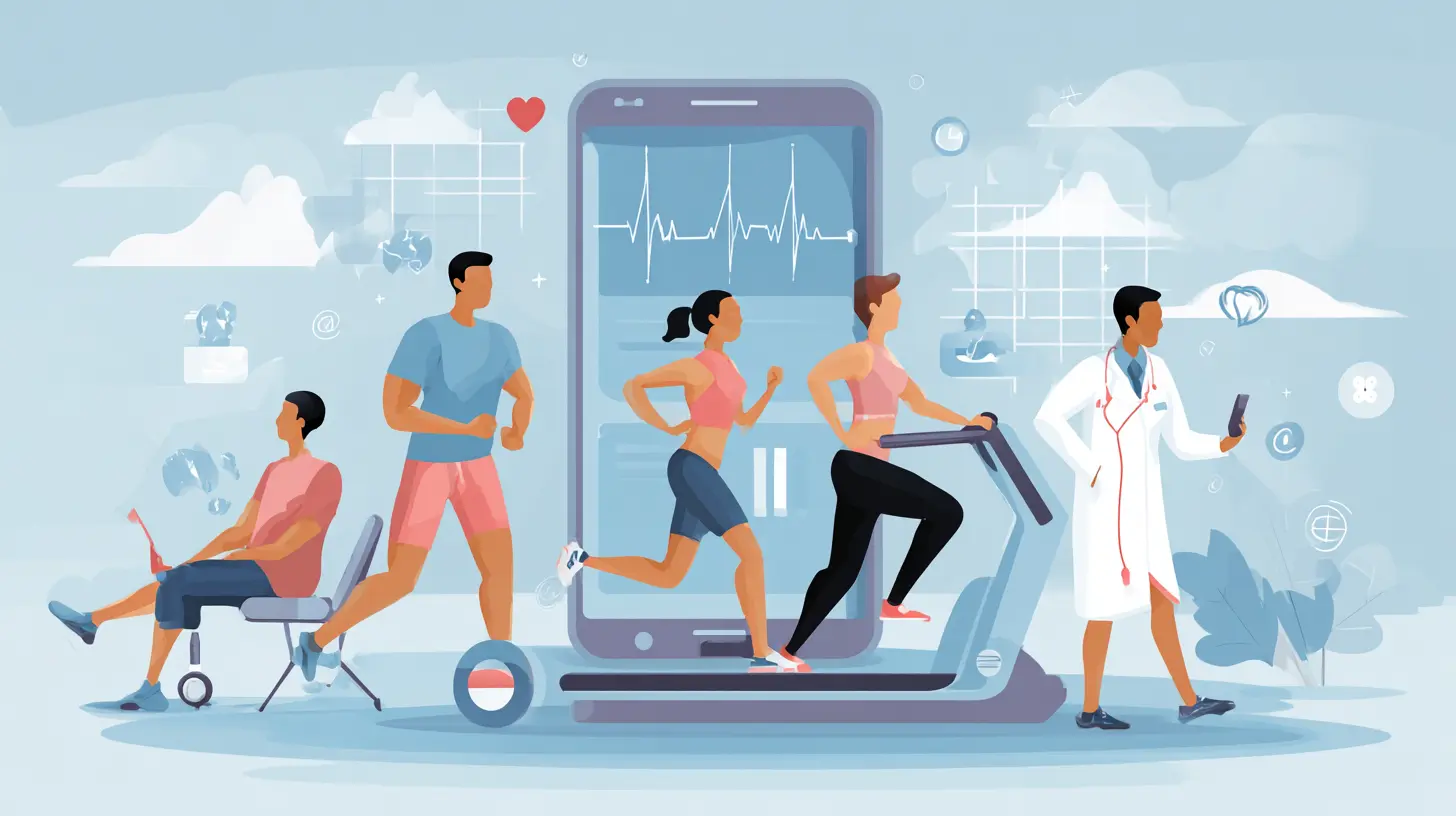
Fitness apps have the potential to bridge gaps between patients and healthcare providers. By integrating with electronic health records (EHRs), fitness apps can provide healthcare professionals with valuable insights into a patient's lifestyle and activity levels. This data can inform treatment plans and encourage more holistic approaches to health care.For example, a physician may review data from a patient's fitness app to assess their physical activity levels and make recommendations accordingly. This integration not only enhances the quality of care but also fosters a collaborative relationship between patients and providers.
Preventive Health
The emphasis on preventive health is another area where fitness apps excel. By promoting regular physical activity and healthy eating, these apps can help reduce the risk of chronic diseases such as obesity, diabetes, and cardiovascular conditions.Consider a user who tracks their food intake and physical activity through a fitness app. By gaining insights into their habits, they may recognize patterns that contribute to weight gain or other health issues. This awareness can empower them to make lifestyle changes before these issues escalate.
Challenges and Limitations
Over-Reliance on Technology
While fitness apps offer numerous benefits, there is a risk of over-reliance on technology. Some users may become fixated on metrics such as step counts or calorie tracking, leading to unhealthy behaviors or anxiety. It is crucial for users to approach fitness apps with a balanced mindset, recognizing that numbers do not define their worth or health.Data Privacy Concerns
Another consideration is data privacy. Many fitness apps collect sensitive information, including health metrics and personal details. Users must be cautious about sharing this data and should read privacy policies to understand how their information is used and protected.Accessibility Issues
While fitness apps have increased accessibility for many, there are still barriers for certain populations. Individuals without smartphones or reliable internet access may find themselves excluded from these resources. some users may struggle with technology, making it challenging to navigate app features.
Best Practices for Using Fitness Apps
Set Realistic Goals
When using a fitness app, it is essential to set realistic and achievable goals. Start with small, manageable objectives and gradually increase them as you gain confidence and experience. This approach helps build a sense of accomplishment and reduces the risk of burnout.Engage with the Community
Take advantage of the social features offered by fitness apps. Join challenges, connect with friends, and participate in group activities. Engaging with others can enhance motivation and provide valuable support.Monitor Your Mental Health
While tracking physical activity is important, do not neglect mental health. Pay attention to how you feel about your fitness journey. If you notice negative emotions associated with the app, such as anxiety or stress, consider taking a step back and reassessing your approach.Consult Health Professionals
For those with existing health conditions or concerns, it is wise to consult a healthcare professional before starting a new fitness program. Fitness apps can complement traditional health care, but they should not replace professional medical advice.Stay Informed
Keep up to date with the latest research and developments in health and fitness. Many apps offer educational resources, articles, or videos that can enhance your understanding of health topics. Staying informed can help you make better choices and stay motivated.Conclusion
Fitness apps have fundamentally changed the way individuals approach health and fitness. By providing accessible resources, personalized experiences, and data-driven insights, these apps empower users to take control of their health in ways that were previously unimaginable.While challenges remain, the overall impact of fitness apps on health care is profound. They have the potential to bridge gaps, foster community, and promote preventive health, ultimately leveling the playing field for individuals across diverse backgrounds. As technology continues to evolve, the role of fitness apps in health care will likely expand, offering even more opportunities for individuals to achieve their health goals.
all images in this post were generated using AI tools
Category:
Fitness AppsAuthor:

Holly Ellison

