How Fitness Apps Are Helping People Stay Active in Their 50s and Beyond
13 November 2026
Staying active in your 50s and beyond comes with unique challenges, but thanks to technology, fitness apps are transforming how older adults approach health and wellness. These digital tools are not just about tracking workouts; they play a vital role in motivation, community engagement, personalized planning, and health monitoring. In this article, we will explore how fitness apps are making it easier for individuals in their 50s and beyond to stay active, discussing their benefits, potential pitfalls, and practical advice for getting started.

The Rise of Fitness Apps
The surge in fitness app popularity can be attributed to several factors. As more people embrace technology, they look for convenient ways to integrate fitness into their daily lives. Fitness apps have evolved from basic step counters to sophisticated platforms offering personalized workout plans, nutritional guidance, and social features that foster community engagement.Why Are Fitness Apps Important?
1. Accessibility: Many people may find traditional gyms intimidating or inconvenient. Fitness apps provide a user-friendly alternative that can be accessed anytime and anywhere.2. Customization: Older adults often have specific health concerns or physical limitations. Fitness apps can tailor workouts to individual needs, incorporating modifications for safety and effectiveness.
3. Engagement: With features like challenges, leaderboards, and community forums, fitness apps can make exercise more engaging and enjoyable. This social element is crucial for motivation.
4. Tracking Progress: Monitoring progress can boost motivation. Fitness apps allow users to track their achievements, providing visual feedback and encouraging a sense of accomplishment.
Features to Look For in Fitness Apps
Not all fitness apps are created equal. When selecting an app, consider the following features to ensure it meets your needs:User-Friendly Interface
A simple, intuitive interface is essential, particularly for those who may not be tech-savvy. An app should be easy to navigate, allowing users to focus on their fitness rather than figuring out how to use the app.Customization Options
Look for apps that offer personalized workout plans based on your fitness level, goals, and any health conditions. Some apps even adapt workouts based on your progress, ensuring continued challenge without overwhelming you.Video Demonstrations
Demonstrations can help ensure proper form, reducing the risk of injury. Apps that offer video tutorials can be particularly beneficial, especially for users unfamiliar with certain exercises.Community Support
Many fitness apps include social features that allow users to connect with others. Communities can provide encouragement and accountability, helping to maintain motivation.Health Monitoring Integration
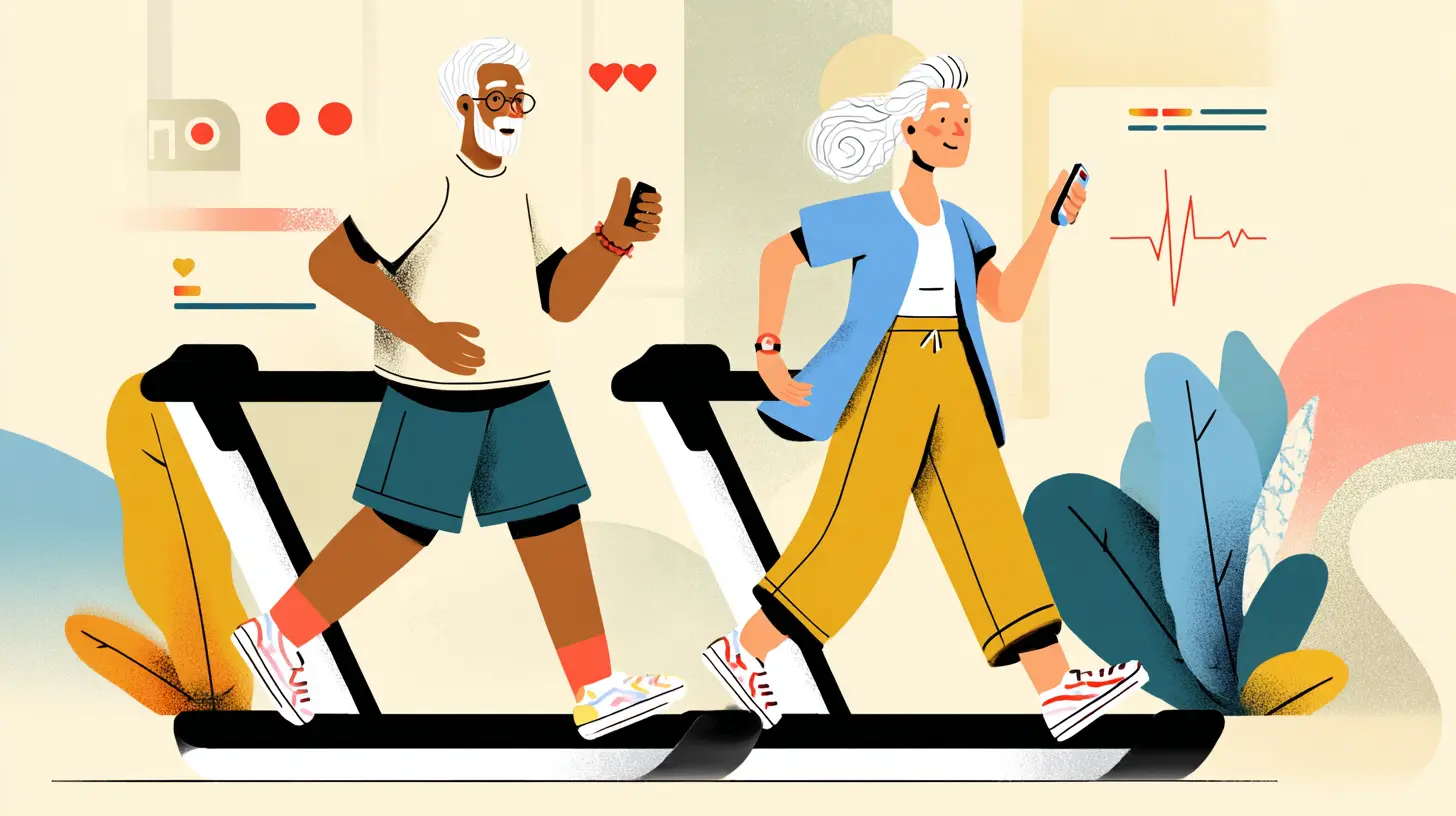
If you have specific health concerns, consider apps that integrate with wearable devices to monitor heart rate, activity levels, and sleep patterns. This data can inform your workouts and help you adjust your routines based on real-time feedback.
Best Practices for Using Fitness Apps
While fitness apps offer numerous benefits, there are best practices to follow to maximize their potential:Set Realistic Goals
When starting with a fitness app, set achievable goals that align with your current fitness level. Whether it's walking a certain number of steps each day or completing a specific workout, realistic goals help prevent burnout and disappointment.Start Slow
Especially if you are new to exercise, it's crucial to ease into a routine. Consider beginning with shorter workouts, gradually increasing intensity and duration as your fitness improves.Listen to Your Body
Always pay attention to how your body responds to exercise. If something feels wrong, don't hesitate to modify or skip a workout. Fitness apps should enhance your health, not compromise it.Stay Consistent
Consistency is key to reaping the benefits of exercise. Set aside dedicated time for workouts, and make it a non-negotiable part of your routine. Many apps allow you to schedule reminders, helping to establish a habit.Engage with the Community
Take advantage of any community features. Joining challenges or sharing your progress with others can enhance motivation and make fitness feel less isolating.
Common Mistakes to Avoid
While fitness apps can provide immense support, users often make mistakes that can hinder progress. Here are some pitfalls to watch out for:Overlooking Nutrition
Fitness is not just about exercise; nutrition plays a vital role. Many apps offer meal tracking options, which can help in maintaining a balanced diet. Neglecting this aspect can limit your fitness results.Focusing Solely on Numbers
While tracking metrics like steps or calories burned can be helpful, don't let it become an obsession. Focus on how you feel and the positive changes in your lifestyle rather than just numbers.Ignoring Professional Guidance
If you have pre-existing health conditions, it's wise to consult with a healthcare professional before starting a new fitness regime. Fitness apps can complement expert advice but should not replace it.Getting Stuck in a Rut
Variety is essential for maintaining interest and avoiding plateaus. Many apps offer diverse workout options, so be sure to mix things up regularly to keep your routine fresh.Real-World Examples of Fitness Apps for Older Adults
Several fitness apps cater specifically to older adults, providing tailored features that enhance the user experience. Here are a few notable options:MyFitnessPal
While primarily a nutrition tracking app, MyFitnessPal integrates workout logging and connects with various fitness devices. Its extensive food database makes it easy for users to monitor their diet and reach health goals.SilverSneakers GO
Designed with older adults in mind, SilverSneakers GO offers low-impact workouts, balance exercises, and even social features. The app focuses on improving mobility and overall fitness, making it a great choice for seniors.Fitbit App
If you own a Fitbit device, the accompanying app provides detailed activity tracking, sleep analysis, and health monitoring. The community features and challenges encourage users to stay engaged and motivated.Aaptiv
Aaptiv provides audio-based workouts led by certified trainers. It offers a variety of classes, from yoga to strength training, making it suitable for different fitness levels and preferences.Strava
Though often associated with cyclists and runners, Strava has a welcoming community and offers a variety of activities. Users can set challenges and track progress, fostering a sense of community and competition.
The Importance of Continuous Learning
As with any endeavor, continuous learning is vital in fitness. New research emerges regularly, highlighting the best practices for exercise and health in older adults. Fitness apps that stay updated with the latest information can provide users with evidence-based guidance and support.Adapting to New Findings
For instance, recent studies indicate that strength training is crucial for older adults, helping to maintain muscle mass and bone density. Apps that incorporate strength training into their offerings can assist users in adapting to these findings.Staying Informed About Health Trends
Being aware of emerging health trends is essential for staying active. Fitness apps that offer educational content or links to reputable health resources can empower users to make informed decisions about their fitness journey.Conclusion
Fitness apps have revolutionized the way people in their 50s and beyond engage with exercise, making it accessible, personalized, and enjoyable. By leveraging technology, older adults can find motivation, track their progress, and connect with communities that support their health goals. However, it is essential to approach these tools thoughtfully, setting realistic goals, listening to your body, and avoiding common pitfalls. With the right mindset and resources, staying active can be a fulfilling and rewarding part of life at any age.
all images in this post were generated using AI tools
Category:
Fitness AppsAuthor:

Holly Ellison

