How Fiber Supports a Healthy Aging Process
31 January 2026
Let’s talk about something that doesn’t always get the spotlight in health conversations—fiber. Yep, that stuff you hear about in cereal ads? It turns out, fiber is basically the unsung hero of graceful aging. And if you’re getting older (which, let's face it, we all are), paying attention to your fiber intake might just be one of the smartest things you can do for your body.
In this article, we're going to dig deep—no fluff—into how fiber supports a healthy aging process. From gut health to heart health, from mental clarity to managing chronic disease, fiber plays a major role in helping us age with vitality and wellness. So grab a snack (maybe an apple or some oatmeal?), and let’s break it down.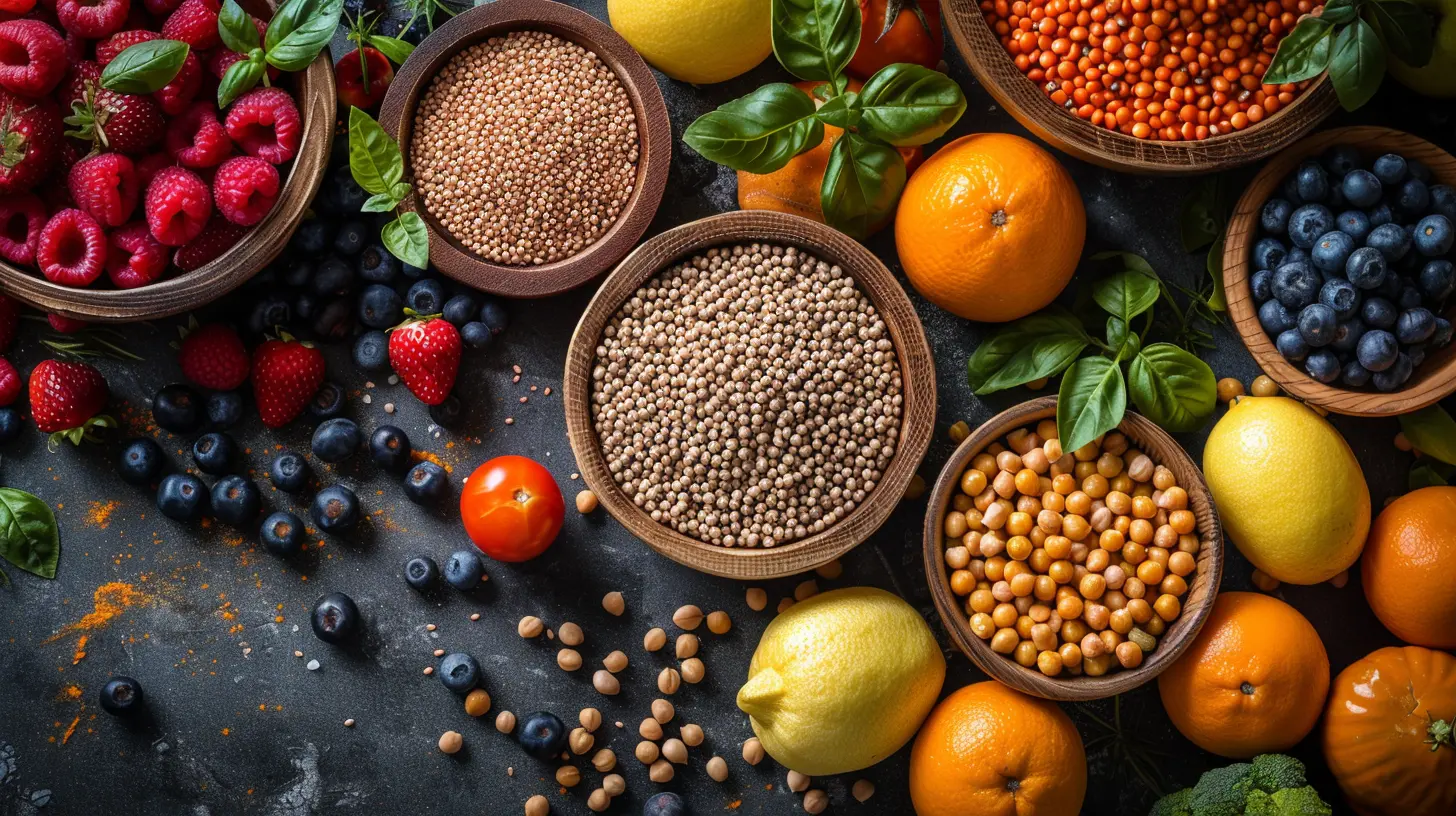
What Is Dietary Fiber, Really?
Think of fiber as the roughage or the indigestible part of plant foods. Your body can’t digest it, and that’s actually the point. There are two types:- Soluble Fiber – This dissolves in water and forms a gel-like substance in your gut. You’ll find it in foods like oats, beans, apples, and citrus fruits.
- Insoluble Fiber – This one doesn’t dissolve in water and helps move things through your digestive system. It’s in whole grains, nuts, veggies, and the skins of fruits.
Both types are crucial, and together they create a powerful combo for aging well.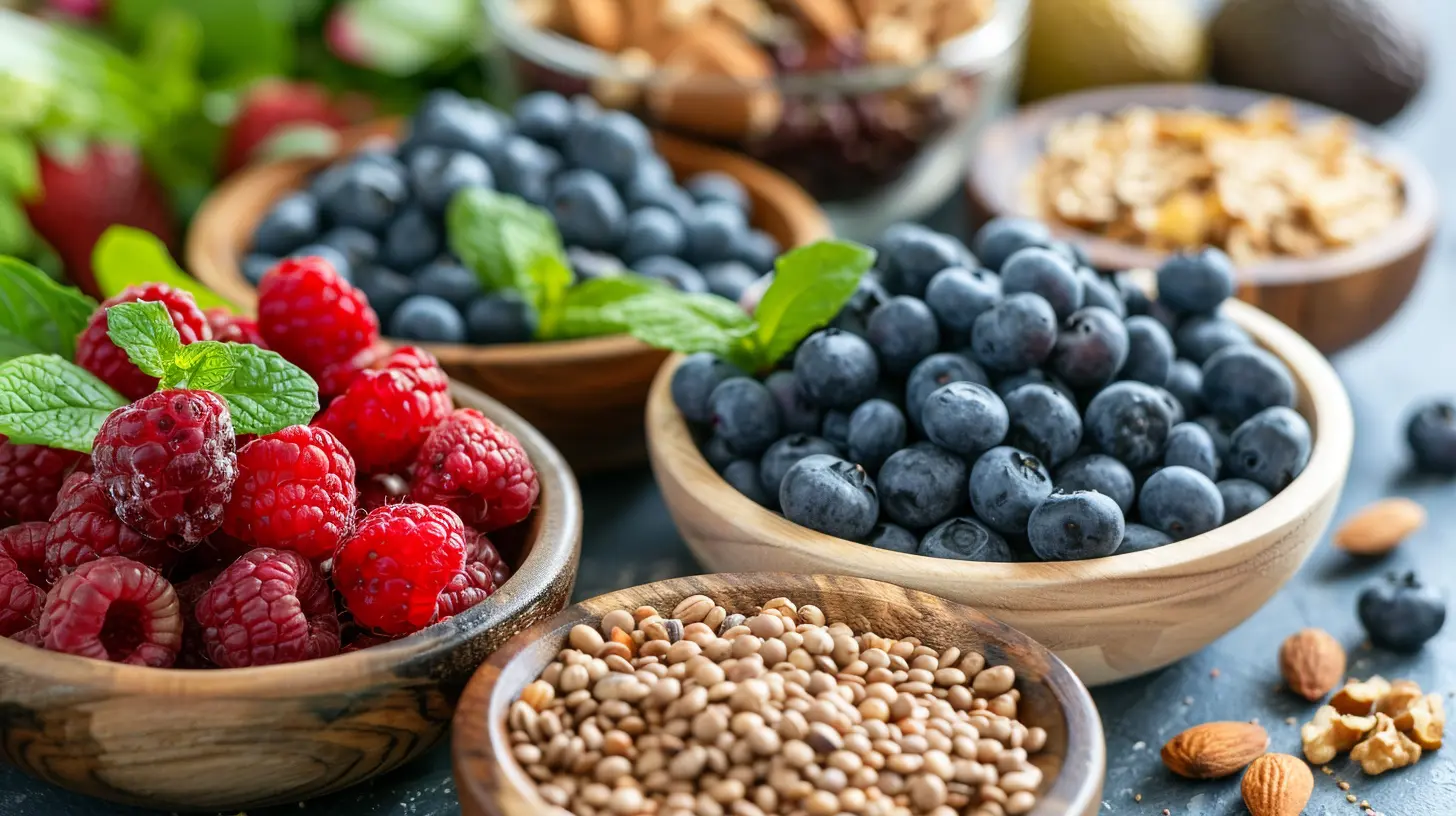
Why Older Adults Need More Fiber, Not Less
Aging isn't always kind to our digestive tract. Our metabolism slows, our muscles weaken (including the ones in our bowels—yep), and even our gut flora shifts. All of this can lead to a host of not-so-pleasant issues: constipation, inflammation, high cholesterol, high blood sugar, and more.That’s where fiber comes in—as a kind of internal broom that sweeps through our digestive system and keeps everything moving and balanced.
1. Fiber Keeps Your Gut Running Like a Well-Oiled Machine
Let’s keep it real: nobody likes talking about constipation, but it’s a common issue as we age. Our intestines slow down, and before you know it—things aren't "flowing" like they used to.Fiber, especially the insoluble kind, adds bulk to your stool and helps it pass more easily. It’s like giving your gut some extra horsepower to do its job. More fiber = less strain on your system = a happier you.
But there’s more going on than just regular bathroom visits…
2. Gut Health = Brain Health (Yes, Seriously)
You’ve probably heard about the gut-brain connection. It’s not just some wellness trend—it’s backed by science. Your gut is filled with trillions of bacteria (the microbiome) that impact everything from your immune system to your mental clarity.As we age, this microbiome can get out of whack. That’s when digestive problems, inflammation, and even mood swings enter the scene.
Enter fiber. It acts as a prebiotic—a food source for your good gut bacteria. When you feed the good guys, they flourish. And when they flourish, your brain benefits too. Think sharper mind, better memory, and less brain fog.
3. Say Goodbye to Blood Sugar Spikes
Older adults often struggle with insulin sensitivity. This can make managing blood sugar levels a daily challenge, especially for those with or at risk of type 2 diabetes.Soluble fiber helps slow down the absorption of sugar into your bloodstream. It's like adding a speed bump to your digestive process, which means smaller spikes and crashes in blood sugar. No more post-meal crashes or sugar rollercoasters.
Instead of diving headfirst into a blood sugar spike, your body gets a nice, steady trickle. Smooth and easy. Just the way your system likes it.
4. Fiber Protects Your Heart (And Who Doesn’t Want That?)
Heart disease is still the number one killer worldwide, and as we age, our risk only increases. But fiber can play a big protective role here.Soluble fiber, in particular, helps lower LDL (bad) cholesterol by binding to it in the digestive system and carrying it out of the body like a cleanup crew. Studies show that people who eat high-fiber diets have significantly lower risks of heart disease.
And here’s the kicker—it’s not just about the cholesterol. Fiber-rich diets also help reduce blood pressure and inflammation, both key factors in long-term heart health.
5. It Helps Keep the Scale in Check (Without Starving)
Let’s face it: keeping off extra pounds gets trickier as we age. Our metabolism naturally slows down, and we’re usually not moving as much as we used to.Fiber can actually help with weight management in a pretty brilliant way. It fills you up without loading you down with calories. Foods high in fiber are more satisfying, meaning you’re less likely to reach for junk later.
Picture fiber as that friend who tells you you’re full before you overdo it at the buffet.
6. Fiber May Help Reduce the Risk of Certain Cancers
Okay, nobody likes the “C” word, but it’s a reality we have to face—especially colorectal cancer, which becomes more common with age.Research has linked higher fiber intake with a lower risk of colorectal cancer. Why? Because fiber keeps things moving in your gut, reducing the time harmful substances hang around. It’s like flushing toxins before they get a chance to cause trouble.
Fiber might not be a miracle cure, but it’s definitely part of a cancer-fighting diet.
7. A Natural Way to Lower Inflammation
Chronic inflammation is a slow, silent fire that lies at the root of many age-related diseases: heart disease, Alzheimer’s, arthritis—the list goes on.A diet low in fiber can contribute to inflammation, while a high-fiber diet helps cool things down. Fiber helps produce short-chain fatty acids (SCFAs) in your gut—natural anti-inflammatories that calm your immune system and keep it from overreacting.
Think of fiber as your internal firefighter, putting out inflammation before it sparks something serious.
How Much Fiber Do You Actually Need?
Alright, so now that you’re on board with the whole fiber thing, let’s get practical.Here’s the breakdown:
- Men over 50 should aim for about 30 grams per day
- Women over 50 should aim for about 21 grams per day
But here’s the shocker: most people only get about half that. No wonder so many of us struggle with digestion and chronic conditions.
Easy Ways to Add More Fiber to Your Day
The good news? You don’t need to overhaul your diet overnight. Small, consistent changes add up. Here are some super-easy (and tasty) ways to sneak more fiber into your day:- Start your day with oatmeal – Add chia seeds and berries for a fiber double-punch.
- Switch to whole grain everything – Bread, pasta, rice. White = stripped down. Whole = fiber-rich.
- Snack on nuts and seeds – Almonds, flaxseeds, even popcorn (air-popped, not butter-soaked).
- Add beans to your meals – Toss chickpeas into a salad or black beans into a taco.
- Fruit as dessert – A juicy pear has more fiber than you’d think (and hey, it’s sweet too!).
- Don’t peel your veggies and fruits if you don’t have to – The skin is packed with fiber.
Oh, and don’t forget water. Fiber needs fluid to do its job properly. If you increase fiber without increasing your water intake, you could end up more backed up than before.
Common Myths About Fiber (Busted)
Let’s clear up a few fiber fictions.“Fiber is just for old people.”
Wrong! Fiber is for everyone, at every age. But yes, as you get older, it becomes even more helpful.“Fiber supplements do the same thing as food.”
Nope. While fiber supplements (like psyllium) can help in a pinch, they don’t offer the full range of vitamins, minerals, and antioxidants that come from whole foods.“Fiber-rich diets are bland and boring.”
Not even close. From lentil soup to loaded veggie tacos, high-fiber meals can be totally delicious. It’s all about how you season and serve them.Final Thoughts: Aging Doesn’t Have to Mean Slowing Down
Fiber may not seem glamorous, but it’s got your back in countless ways—literally from your brain to your bowels. It’s your steady, reliable sidekick in the fight against the not-so-fun parts of aging.So don’t wait for a wake-up call. Start making fiber a priority in your daily meals. Your future self, with better gut health, a stronger heart, and a clearer mind, will thank you.
And hey, aging is inevitable—but how you age? That’s something you can absolutely influence. And it might just start with what’s on your plate.
all images in this post were generated using AI tools
Category:
Fiber Rich DietAuthor:

Holly Ellison
Discussion
rate this article
2 comments
Yasmine McEvoy
This article beautifully highlights the vital role fiber plays in healthy aging. It’s a poignant reminder that our dietary choices directly impact our longevity and quality of life. Incorporating more fiber can make a significant difference, not just for digestive health, but also for overall well-being as we age.
March 1, 2026 at 4:22 AM
Holly Ellison
Thank you for your thoughtful comment! I’m glad you found the article insightful and agree that fiber is crucial for healthy aging.
Kayla Diaz
Embrace the power of fiber! As we age, prioritizing this essential nutrient not only supports digestion but also boosts overall health, enhancing vitality and longevity. Let's cultivate a vibrant life together—start incorporating more fiber today for a brighter tomorrow!
February 2, 2026 at 5:35 AM
Holly Ellison
Thank you for your insightful comment! I wholeheartedly agree—fiber is crucial for healthy aging, and incorporating it into our diets can indeed lead to a more vibrant life. Let's continue to prioritize our health together!