How Active Lifestyles Can Improve Sleep Quality
11 June 2026
Do you toss and turn at night, struggling to fall asleep? Or maybe you wake up feeling like you barely got any rest? If so, you're not alone. Millions of people battle with poor sleep, but what if I told you there’s a simple solution? The answer could be as easy as getting up and moving more!
An active lifestyle isn't just great for your waistline—it significantly impacts sleep quality too. Let’s break it down and see how exercise and movement can help you sleep like a baby.

Why Sleep Quality Matters
Before we dive into how staying active improves sleep, let’s talk about why good sleep is so important. Sleep isn’t just about feeling rested—it’s essential for overall health.- Boosts immune function – Your body repairs itself while you sleep. Poor sleep weakens your defenses.
- Supports brain function – Lack of sleep can slow down memory, concentration, and decision-making.
- Regulates mood – Ever feel cranky after a bad night’s sleep? That’s because sleep controls your emotional balance.
- Helps with weight management – Poor sleep messes with hunger hormones, leading to weight gain.
Now that we know sleep is crucial, let’s explore how an active lifestyle plays a key role in improving its quality.
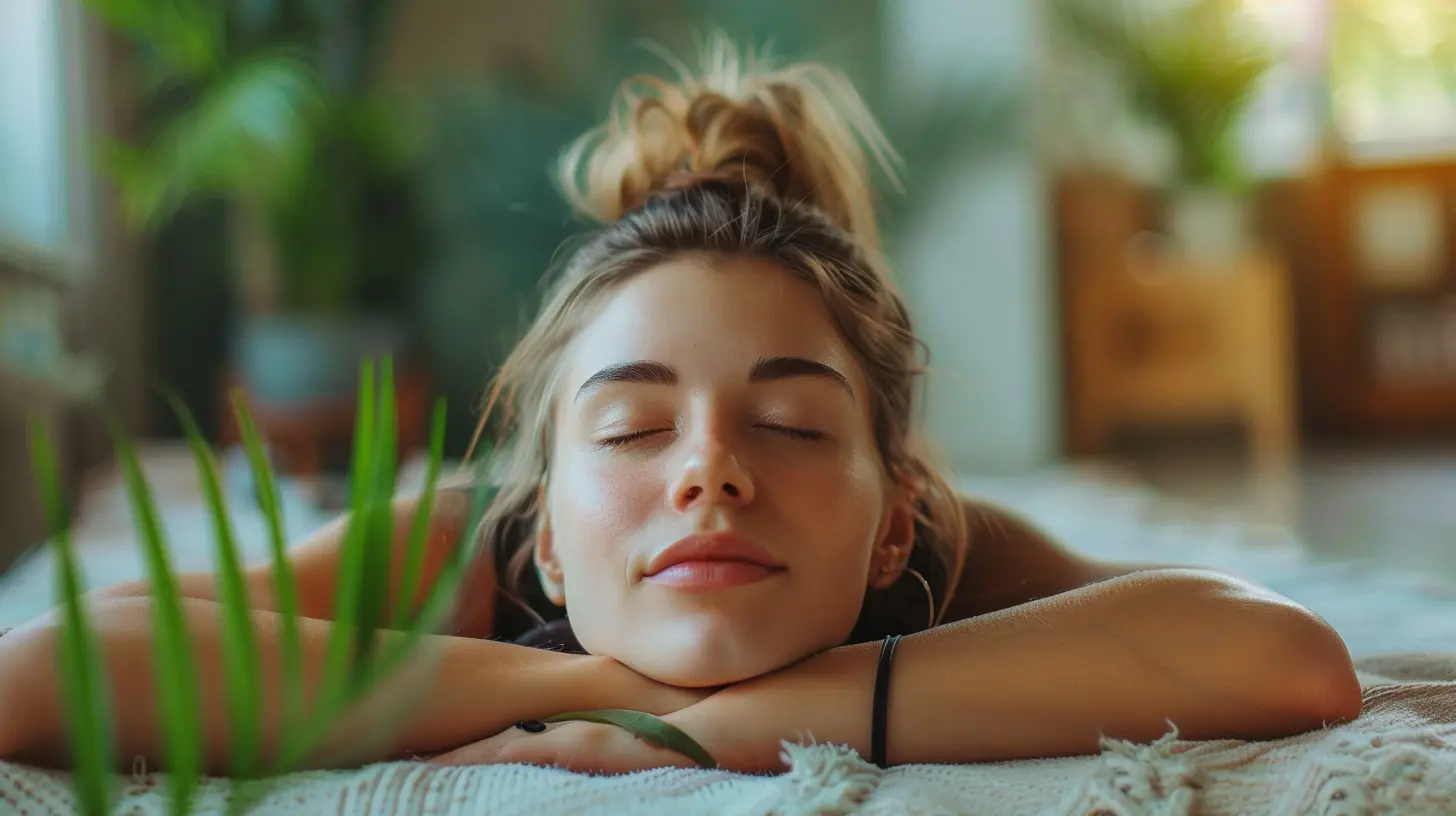
How an Active Lifestyle Enhances Sleep
1. Exercise Helps You Fall Asleep Faster
Do you find yourself lying in bed staring at the ceiling for what feels like hours? A sedentary lifestyle could be to blame. When you engage in physical activity, your body temperature rises. As it cools down post-exercise, your brain recognizes the drop and signals that it’s time to sleep.Regular movement also reduces stress hormones, making it easier to relax when bedtime rolls around. So, if you’re tired of counting sheep, try adding some movement to your daily routine!
2. Reduces Insomnia and Sleep Disorders
If you struggle with insomnia, exercise might be a natural remedy. Research shows that moderate aerobic activity, like brisk walking or cycling, can significantly improve sleep quality—especially for those who have sleep disorders.Physical activity triggers the release of feel-good hormones like serotonin and endorphins. These not only boost mood but also promote better relaxation, which is key to drifting off at night.
3. Decreases Stress and Anxiety
Stress is one of the biggest culprits behind poor sleep. Ever lay awake thinking about all the things you need to do? Exercise helps manage stress by lowering cortisol levels and increasing the production of calming neurotransmitters.Think of it this way: your brain is like a computer, and stress is the overload of open tabs. Exercise helps clear those tabs, making it much easier to shut down and drift into deep sleep.
4. Improves Sleep-Wake Cycle (Circadian Rhythm)
Your body has an internal clock, known as the circadian rhythm, which tells you when to sleep and wake up. Leading a sedentary lifestyle can throw this natural rhythm off-balance.Regular exercise, especially when done outdoors in natural sunlight, helps regulate this cycle. The more exposure you have to daylight and movement, the better your body can distinguish between daytime energy use and nighttime rest.
5. Enhances Deep Sleep Stages
Not all sleep is created equal. Deep sleep is the stage where your body truly rests and recovers. When you engage in regular physical activity, your body craves this restorative sleep more, leading to increased time spent in deep sleep cycles.This means better healing, improved memory consolidation, and waking up feeling refreshed rather than groggy.

Best Types of Exercise for Better Sleep
Not all exercises affect sleep the same way. Some types of movement are more beneficial than others when it comes to improving sleep quality. Here are the best ones:1. Aerobic Exercise (Cardio)
Activities like running, swimming, cycling, and dancing get your heart rate up and help tire you out in a good way. They also release endorphins, reducing stress and promoting relaxation.2. Strength Training
Lifting weights or doing bodyweight exercises, like squats and push-ups, can improve muscle health and reduce nighttime restlessness. Plus, strength training increases energy expenditure, which helps you feel more physically tired when it's time for bed.3. Yoga and Stretching
If stress keeps you up at night, yoga and stretching can work wonders. They combine movement with breathing exercises, lowering stress and preparing the body for restful sleep.4. Walking
Something as simple as an evening walk can make a big difference. A 30-minute walk can improve circulation, regulate your circadian rhythm, and encourage a natural sleep-wake cycle.
Best Time to Exercise for Better Sleep
Timing matters! While regular movement is great, exercising too close to bedtime can be counterproductive. Here’s when to exercise for optimal sleep benefits:- Morning workouts – Great for regulating circadian rhythm and boosting energy levels.
- Afternoon workouts – Ideal for relieving stress from the day and helping the body wind down for sleep.
- Evening workouts – Low-intensity activities like yoga or stretching are fine at night, but high-intensity workouts may keep you too energized to sleep.
Try to finish any intense workouts at least two to three hours before bed to allow your body time to relax.
Other Lifestyle Tips to Boost Sleep Quality
While exercise plays a huge role in sleep improvement, combining it with other healthy habits can lead to even greater results. Here are a few additional tips:- Stay hydrated – But avoid excessive fluids right before bed to prevent midnight trips to the bathroom.
- Limit caffeine and alcohol – Stimulants can keep you awake longer than you’d like.
- Maintain a consistent sleep schedule – Going to bed and waking up at the same time every day helps regulate your body clock.
- Create a relaxing bedtime routine – Reading, meditating, or listening to calming music can signal to your body that it's time to rest.
- Keep your bedroom dark and cool – A sleep-friendly environment makes falling and staying asleep easier.
Final Thoughts
If you’re tired (literally!) of struggling with poor sleep, consider making physical activity a priority in your routine. Moving your body regularly isn’t just about staying fit—it’s a game-changer for your sleep quality too!From reducing stress to regulating your body's sleep patterns, an active lifestyle is a natural and effective way to improve how well you rest at night. So, get moving, establish a better routine, and enjoy the deep, rejuvenating sleep you deserve.
Sweet dreams!
all images in this post were generated using AI tools
Category:
Active LifestyleAuthor:

Holly Ellison
Discussion
rate this article
1 comments
Cerys Gates
Engaging in regular physical activity not only boosts overall health but also significantly enhances sleep quality. As the body grows stronger and more energized, it rewards us with deeper rest. Embracing an active lifestyle can transform both our days and nights for the better.
June 12, 2026 at 4:51 AM
Holly Ellison
Absolutely! Regular physical activity truly makes a difference in sleep quality. It's amazing how a stronger body can lead to better rest and overall well-being.