Hiking Tips for Beginners Who Want to Stay Active
31 May 2026
Hiking is one of the best ways to stay active while enjoying the beauty of nature. Whether you're looking to improve your fitness, clear your mind, or simply explore the great outdoors, hiking is a fantastic activity for beginners. But before you hit the trails, there are some important things to keep in mind to ensure a safe and enjoyable experience.
In this guide, we'll cover essential hiking tips for beginners, from choosing the right gear to staying hydrated and navigating trails with confidence. So, lace up your boots and get ready to embark on an adventure that keeps you moving and energized! 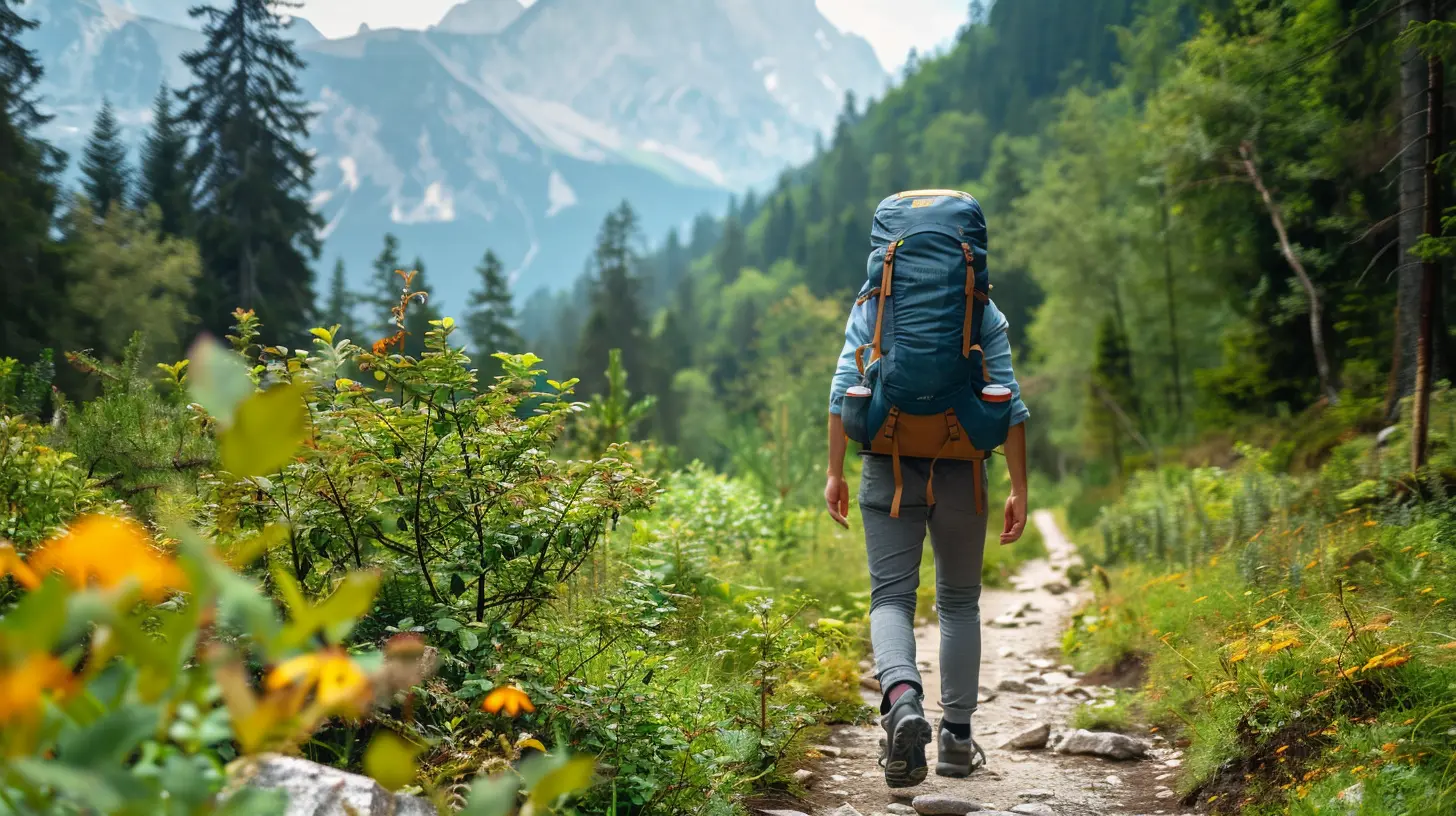
1. Start with Easy Trails
If you're new to hiking, don't dive straight into an intense mountain trek. Begin with shorter, well-marked trails that have minimal elevation gain. Look for beginner-friendly hikes in local parks or nature reserves.Starting small allows you to build endurance, gain confidence, and get a feel for hiking without overexerting yourself. Remember, hiking isn't a race—enjoy the journey and progress at your own pace.
How to Find Beginner-Friendly Trails
- Use apps like AllTrails and HikingProject to explore trail difficulty levels.- Visit national or state park websites for beginner-friendly recommendations.
- Ask locals or join hiking groups for trail suggestions.
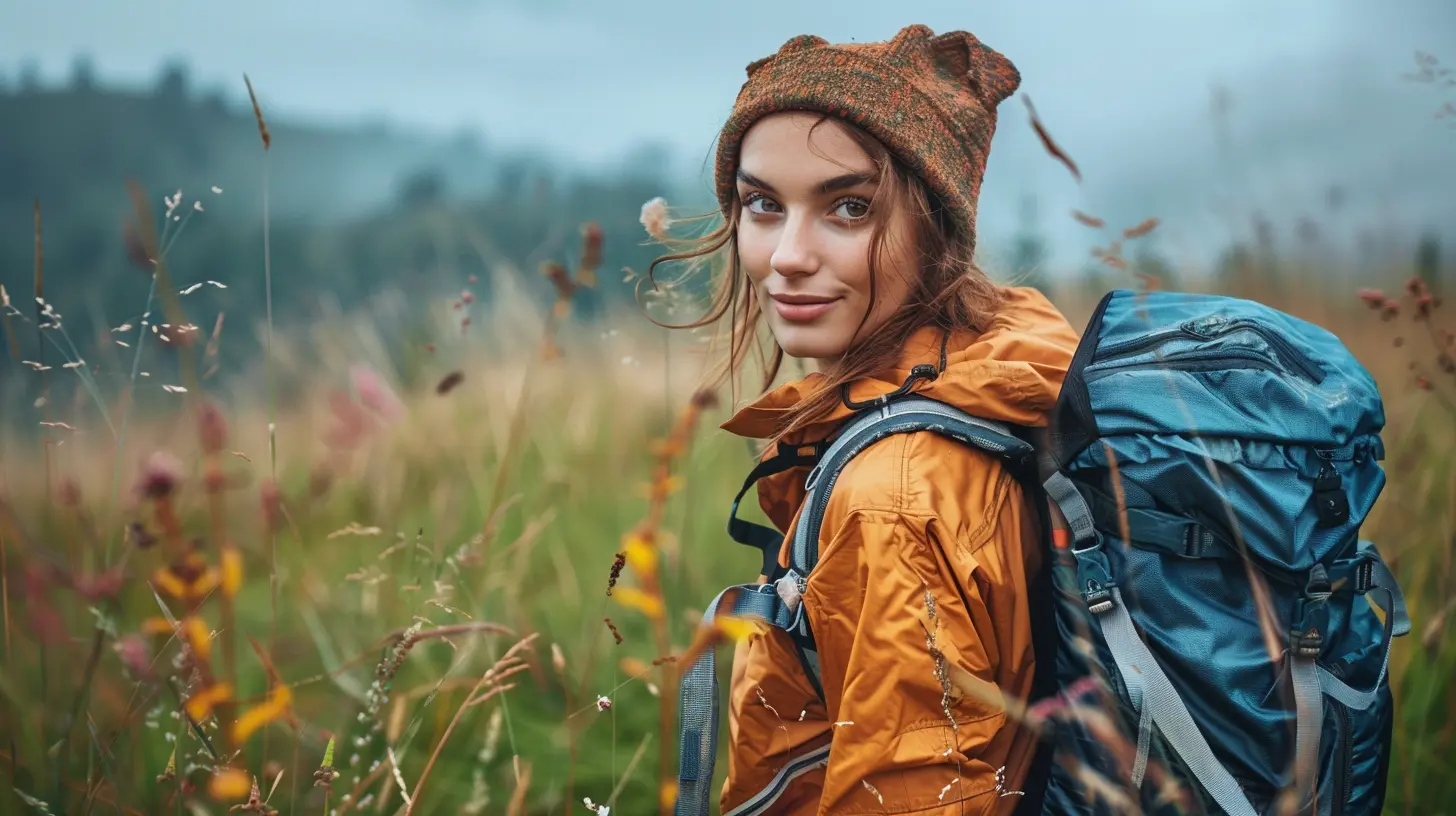
2. Wear the Right Gear
Wearing the right gear can make or break your hiking experience. The last thing you want is painful blisters, soggy clothes, or aching feet slowing you down.Essential Hiking Gear for Beginners
✔ Hiking Shoes or Boots – Opt for comfortable, well-fitted hiking shoes with good grip. Avoid wearing regular sneakers as they may not provide enough support.✔ Moisture-Wicking Clothes – Cotton traps sweat, making you cold and uncomfortable. Instead, wear moisture-wicking fabrics like polyester or wool to stay dry.
✔ Layer Up – Weather can be unpredictable, so dress in layers. A moisture-wicking base layer, an insulating middle layer, and a water-resistant outer layer work best.
✔ Backpack – A lightweight daypack should be enough to carry water, snacks, and other essentials.
✔ Hat & Sunglasses – Protect yourself from the sun, especially on exposed trails.
✔ Trekking Poles (Optional) – These can help with balance and reduce strain on your knees, especially on uneven terrain. 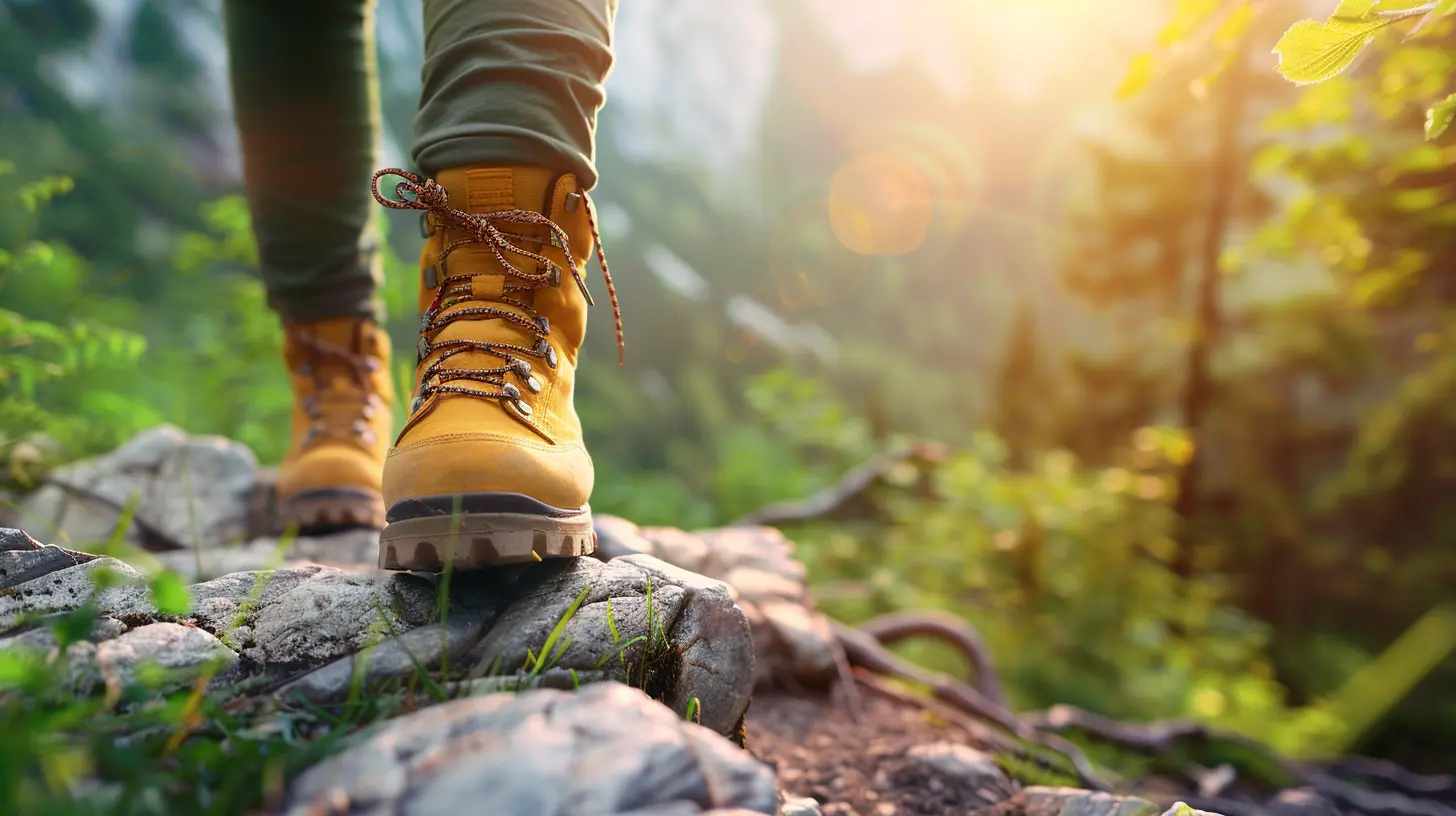
3. Stay Hydrated and Bring Snacks
Hiking can be physically demanding, and dehydration can sneak up on you quickly. Always carry more water than you think you'll need.How Much Water Should You Drink?
A good rule of thumb is to drink half a liter of water per hour of moderate hiking. If it's hot or the trail is strenuous, increase your intake.Best Snacks for Hiking
Fuel your body with lightweight, nutrient-dense snacks such as:- Trail mix (nuts, dried fruit, and dark chocolate)
- Granola bars
- Peanut butter sandwiches
- Jerky
- Fresh fruit (like apples or bananas)
Bringing healthy snacks ensures you maintain energy levels and avoid feeling sluggish halfway through your hike. 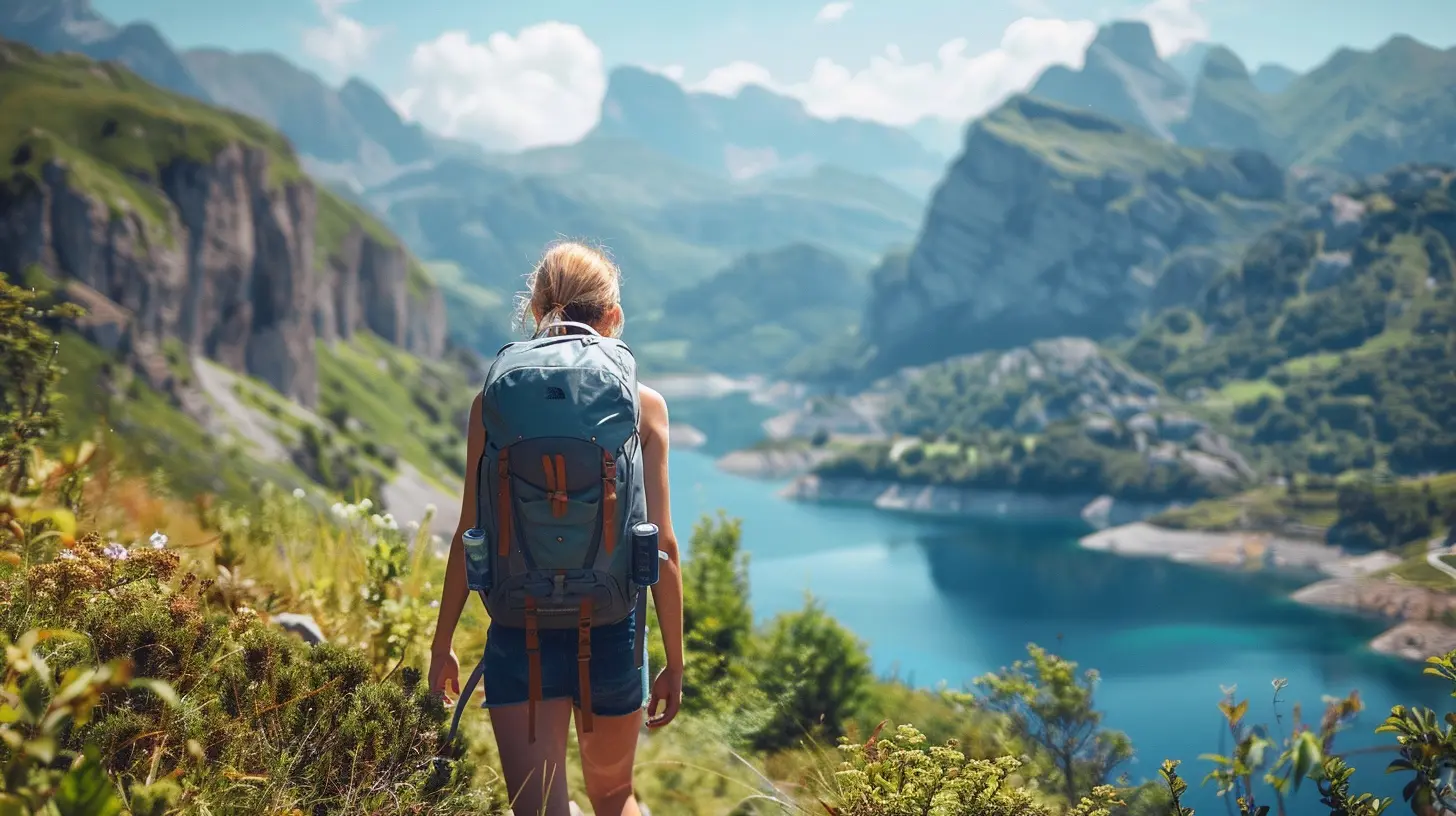
4. Know Basic Trail Etiquette
Hiking is about enjoying nature, but it also comes with responsibilities. Following basic trail etiquette ensures a positive experience for both you and fellow hikers.Trail Etiquette Basics
✅ Yield to Uphill Hikers – If you're hiking downhill, step aside to let uphill hikers pass. It's harder to go uphill, so they have the right of way.✅ Stay on Marked Trails – Avoid taking shortcuts to protect the environment and prevent getting lost.
✅ Leave No Trace – Pack out all trash, respect wildlife, and keep noise levels down.
✅ Be Friendly – A simple "hello" or nod to fellow hikers creates a welcoming trail environment.
Being mindful of these practices makes hiking a better experience for everyone.
5. Check the Weather Before You Go
Weather can change quickly, especially in mountainous areas. Always check the forecast before heading out so you're not caught off guard by rain, storms, or extreme temperatures.Signs You Should Reschedule Your Hike
- Thunderstorms or heavy rain- Extreme heat with no shade
- Strong winds, especially on exposed trails
- Snow or ice (if you're not prepared for winter hiking)
Being prepared for the weather ensures a safer and more enjoyable adventure.
6. Hike with a Buddy or Tell Someone Your Plan
If you're a beginner, hiking alone isn't the best idea. Going with a friend makes the experience more fun and safer, in case of an emergency.If you must hike alone, always tell someone your plan:
- The name of the trail
- Approximate duration
- When you expect to return
This way, if something goes wrong, someone knows where to look for you.
7. Pace Yourself and Take Breaks
Hiking isn't about speed—it's about endurance. If you start too fast, you'll burn out quickly. Instead, maintain a steady pace and take short breaks when needed.Tips for Managing Your Energy
- Walk at a comfortable pace; you should be able to hold a conversation without gasping for breath.- Take short breaks every 20–30 minutes to drink water and rest.
- Listen to your body—if you feel dizzy or exhausted, stop and recover.
Remember, hiking is meant to be enjoyable, not a suffer-fest!
8. Protect Yourself from the Sun
Even on cloudy days, UV rays can be intense, and sunburn can sneak up on you.How to Stay Sun-Safe While Hiking
? Apply sunscreen (SPF 30 or higher) before your hike and reapply every two hours.? Wear a hat and sunglasses to protect your face.
? Opt for long sleeves and lightweight clothing to reduce sun exposure.
A sunburn can ruin your trip and leave you feeling miserable, so take precautions!
9. Be Prepared for Emergencies
Even on a short hike, packing a small emergency kit is a smart move.Essential Emergency Items for Hikers
✔ First-aid kit (bandages, antiseptic, pain relievers)✔ Whistle (to call for help if needed)
✔ Flashlight or headlamp (in case you're out past sunset)
✔ Emergency blanket (keeps you warm if stranded)
✔ Multi-tool or knife
Hopefully, you'll never need these items—but it’s always better to be safe than sorry!
10. Enjoy the Experience and Have Fun!
At the end of the day, hiking is about more than just exercise—it's about enjoying nature, breathing in fresh air, and escaping the stress of daily life.Take time to stop, look around, and appreciate the beauty around you. Listen to the birds, feel the wind on your face, and embrace the joy of movement.
Hiking is an incredible way to stay active while feeding both your body and soul. So go ahead, take that first step, and start your adventure!
Final Thoughts
Hiking is one of the easiest and most enjoyable ways to stay active, especially for beginners. By following these simple tips—choosing the right trail, wearing proper gear, staying hydrated, and being mindful of safety—you'll set yourself up for a great hiking experience.Remember, hiking is all about progress, not perfection. Start small, enjoy every step, and most importantly—have fun!
Now, grab your hiking shoes, pack some snacks, and get moving toward a healthier, more adventurous lifestyle!
all images in this post were generated using AI tools
Category:
Active LifestyleAuthor:

Holly Ellison
Discussion
rate this article
1 comments
Ulrich Jimenez
Hiking can be a wonderful way to connect with nature and stay active, especially for beginners. Remember to take it at your own pace, listen to your body, and enjoy the journey. Every step counts, and the fresh air will do wonders for your spirit. Happy hiking!
June 4, 2026 at 4:23 PM
Holly Ellison
Thank you for the encouraging words! Enjoying the journey is so important. Happy hiking to you too!