Herbal Teas That Can Help Combat Flu Symptoms
6 May 2026
Flu season is here again, sneaking up on us like an uninvited guest. The sniffles, body aches, and that relentless cough—it's enough to make anyone wish they could curl up under a blanket until it all passes. But what if I told you that relief might already be sitting in your kitchen?
Herbal teas have been used for centuries to fight off flu symptoms, soothe sore throats, and boost immunity. These natural remedies don’t just warm your soul on a chilly day; they pack a powerful punch against seasonal illnesses. So, grab your favorite mug because we’re diving into the best herbal teas to help you combat the flu.
Why Herbal Teas Work Against Flu Symptoms
Before we spill the tea on which herbs to reach for, let’s talk about why herbal teas work their magic.1. Antiviral Properties – Many herbs have natural antiviral compounds that help fight flu-causing viruses.
2. Immune-Boosting Effects – Ingredients like ginger and echinacea strengthen the immune system.
3. Soothing & Hydrating – The warm steam can help open up nasal passages while the hydration keeps your throat from getting scratchy.
4. Anti-Inflammatory Powers – Many herbal teas help reduce inflammation, easing symptoms like body aches and sore throats.
Now that we know why these teas are flu-fighting champions, let’s break down the best brews for symptom relief. 
1. Ginger Tea – The Inflammation Tamer
Ever feel like your throat is on fire when you have the flu? Ginger tea might just be your best friend. This spicy root is famous for its anti-inflammatory and antimicrobial properties. It not only soothes a sore throat but also helps clear up nasal congestion.How to Make Ginger Tea:
- 1-inch fresh ginger root (sliced)- 1 cup boiling water
- 1 teaspoon honey (optional)
- A squeeze of lemon
Let it steep for 10 minutes, strain, and enjoy. The warmth of the ginger will provide instant comfort. 
2. Echinacea Tea – The Flu Fighter
Echinacea is widely praised for its immune-boosting abilities. Studies suggest that drinking echinacea tea can reduce the severity and duration of flu symptoms. It works by stimulating white blood cells, which are your body's defense against infections.How to Make Echinacea Tea:
- 1 teaspoon dried echinacea leaves or flowers- 1 cup boiling water
- Honey or lemon for taste
Steep for 10–15 minutes, then sip your way to a stronger immune system. 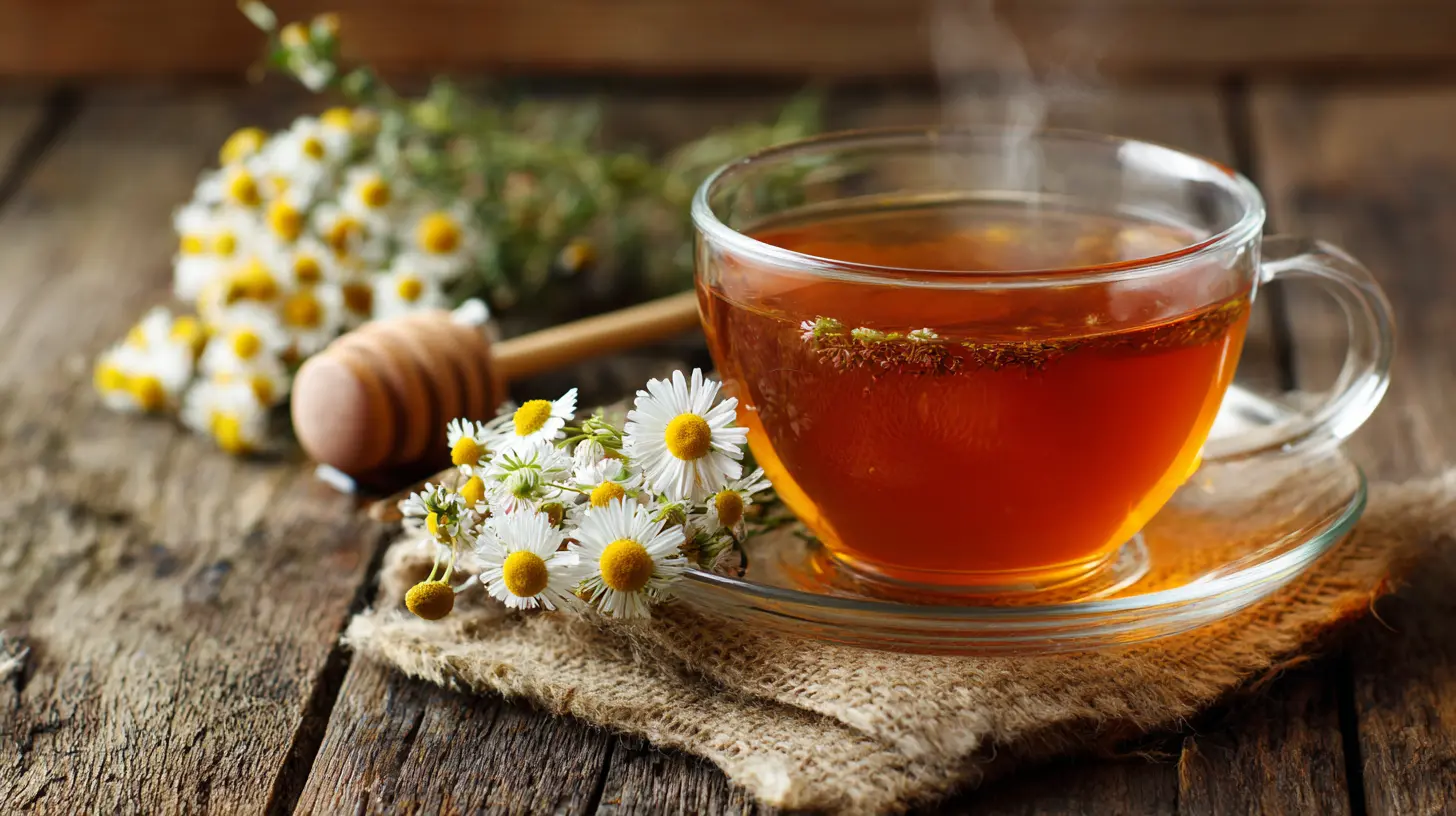
3. Peppermint Tea – The Congestion Buster
Struggling with a stuffy nose and an unrelenting cough? Peppermint tea contains menthol, which acts as a natural decongestant. It helps break down mucus, clears sinuses, and soothes an irritated throat.How to Make Peppermint Tea:
- 1 tablespoon dried peppermint leaves- 1 cup boiling water
- A drizzle of honey (optional)
Steep for 5–10 minutes and inhale the steam before sipping. It’ll clear your airways in no time.
4. Chamomile Tea – The Sleep Enhancer
When you're sick, sleep is your best medicine. But let’s be real—flu symptoms often make restful sleep feel impossible. Enter chamomile tea! Known for its calming effects, chamomile can help ease anxiety and promote deep, restorative sleep.How to Make Chamomile Tea:
- 1 tablespoon dried chamomile flowers- 1 cup boiling water
- A dash of cinnamon or honey for flavor
Steep for 5–10 minutes and let the warmth lull you into relaxation.
5. Lemon Balm Tea – The Stress Reliever
Being sick is stressful, and prolonged stress weakens your immune system. That’s where lemon balm tea comes in—it’s a natural mood booster that helps alleviate anxiety while also having mild antiviral properties.How to Make Lemon Balm Tea:
- 1 tablespoon dried lemon balm leaves- 1 cup boiling water
- A squeeze of lemon for extra vitamin C
Let it steep for 10 minutes, then sip away your stress.
6. Thyme Tea – The Cough Soother
Thyme isn’t just for seasoning your food—it’s a powerful cough remedy. It has natural antiseptic and antibacterial properties that help loosen mucus and quiet an annoying cough.How to Make Thyme Tea:
- 1 teaspoon dried thyme- 1 cup boiling water
- A teaspoon of honey for soothing effects
Let it steep for 10 minutes, then enjoy. It’s a game-changer for persistent coughs.
7. Turmeric Tea – The Immune Booster
Turmeric is a superstar when it comes to reducing inflammation and boosting immunity. The active compound, curcumin, has powerful antiviral properties that can help your body fight off infections faster.How to Make Turmeric Tea:
- 1 teaspoon turmeric powder or fresh turmeric- 1 cup boiling water
- A pinch of black pepper (to enhance curcumin absorption)
- Honey and lemon for taste
Steep for about 10 minutes, strain, and enjoy the golden goodness.
8. Licorice Root Tea – The Throat Soother
If your throat feels like sandpaper, licorice root tea is a lifesaver. It has natural anti-inflammatory and cough-suppressing properties that help reduce irritation and discomfort.How to Make Licorice Root Tea:
- 1 teaspoon dried licorice root- 1 cup boiling water
- Honey (optional)
Steep for 5–10 minutes and let it work its magic.
9. Cinnamon Tea – The Warm Comforter
Cinnamon is more than just a holiday spice. It’s packed with antioxidants and antibacterial properties that help fight infections and improve circulation—a must when you're battling the flu.How to Make Cinnamon Tea:
- 1 cinnamon stick or 1 teaspoon ground cinnamon- 1 cup boiling water
- Honey for sweetness
Let it steep for 10 minutes, and prepare for a cozy, comforting experience.
Final Thoughts
Flu symptoms can make even the strongest among us feel helpless, but you don’t always need to rely on over-the-counter medicine. Nature has gifted us with powerful herbal remedies that can help alleviate symptoms, support your immune system, and even speed up recovery.So the next time the flu tries to knock you down, fight back with a warm cup of healing herbal tea. Which one will you try first?
all images in this post were generated using AI tools
Category:
Cold And FluAuthor:

Holly Ellison
Discussion
rate this article
2 comments
Tamara Vance
Herbal teas offer a gentle embrace during flu seasons, combining warmth and nourishment. Their natural properties not only soothe symptoms but also remind us of nature's healing gifts.
June 14, 2026 at 2:52 AM
Holly Ellison
Absolutely, herbal teas are a comforting remedy during flu season. They bring both warmth and healing, making them a perfect choice for symptom relief.
Isabelle Reilly
I love how herbal teas can provide comfort during flu season! These natural remedies not only soothe symptoms but also offer a cozy moment to relax. Can't wait to try some of these suggestions!
May 11, 2026 at 3:03 PM
Holly Ellison
I'm glad you found the suggestions helpful! Herbal teas really do add a comforting touch during flu season. Enjoy your cozy moments!