Healthy Aging: Tips for Long-Lasting Bone Strength
28 February 2026
Aging—it's a journey we’re all on together. And while we can’t stop the clock, we can take charge of how gracefully and healthfully we age. One of the key things we need to look out for? Yep, you guessed it: bone strength.
Bones might not get as much attention as, say, heart health or glowing skin, but trust me—they're the silent heroes of your body. Strong bones keep us active, pain-free, and independent well into our golden years.
So, if you’ve ever wondered how to keep your bones solid and sturdy for the long haul, you’re in the right place. Let’s dive into some common-sense, doable tips that can help you age not just gracefully, but powerfully.
Why Is Bone Strength So Important As We Age?
Think of your skeleton as the frame of a house. If the frame starts to weaken, everything else starts to wobble. It’s the same for us—our bones support our movements, protect our organs, and store vital minerals like calcium and phosphorus.As we get older, especially post-50, our bone density naturally begins to decline. Women, in particular, face a steeper drop due to hormonal changes during menopause. This often leads to conditions like osteopenia (low bone mass) or osteoporosis (fragile bones), increasing the risk of fractures.
But here’s the good news: While we can’t fully stop bone loss, there’s a lot we can do to slow it down and keep our bones in fighting shape.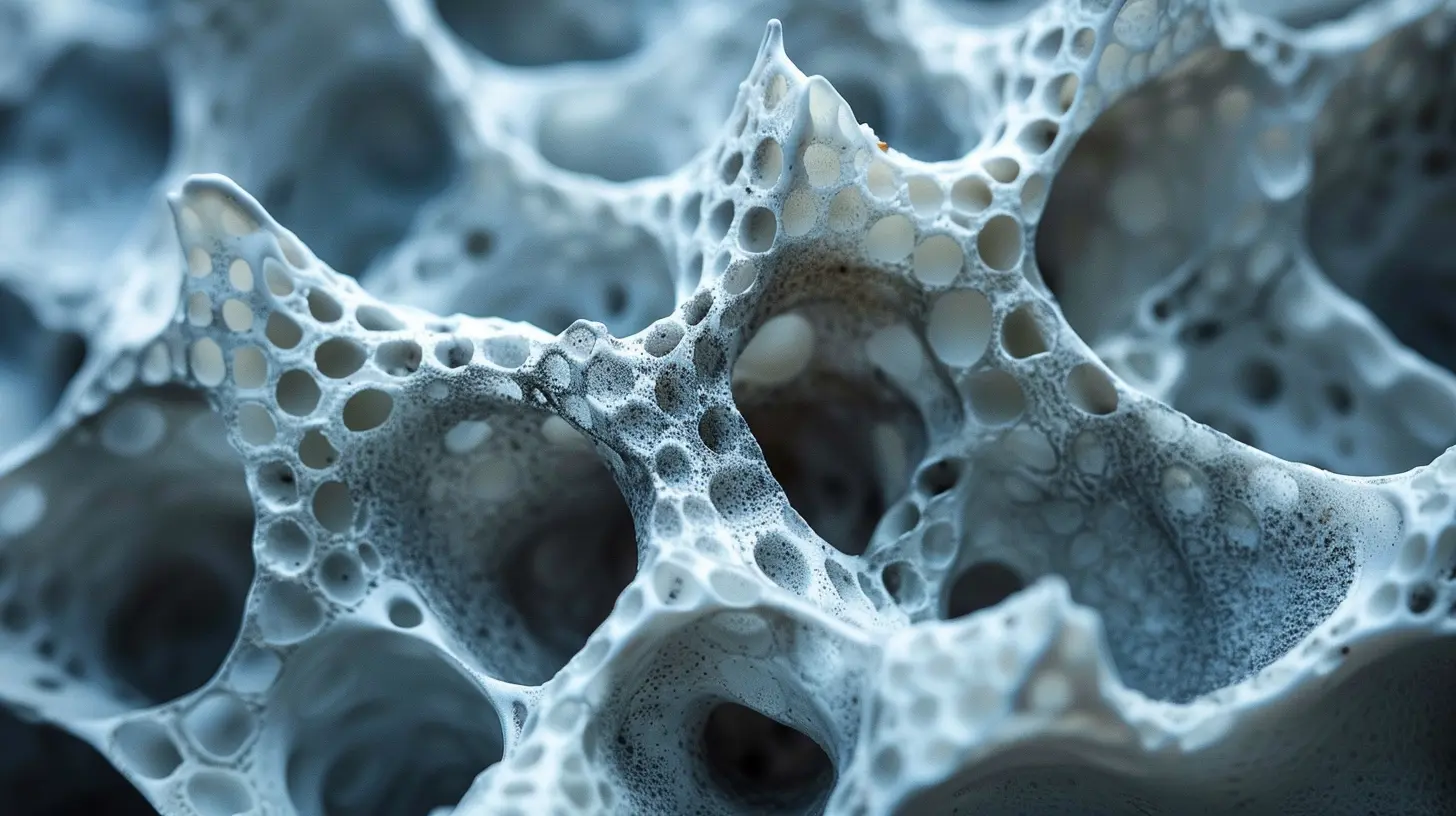
Tip #1: Eat Bone-Boosting Foods
Let’s start with the basics: food. Your bones are living tissue, and like anything alive, they need fuel.Calcium Is The King
We all grew up hearing that calcium is vital for bones—and it’s absolutely true. Adults over 50 should aim for about 1,200 mg of calcium daily.Some tasty calcium-rich foods include:
- Dairy like yogurt, cheese, and milk
- Leafy greens (think kale, spinach, collard greens)
- Sardines and canned salmon (with bones!)
- Fortified plant-based milks, cereals, and juices
Don't Forget Vitamin D
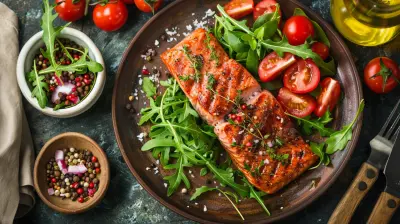
Calcium can’t do much on its own without Vitamin D, which acts like a key to unlock calcium absorption in your body. Sunshine is a great source, but you can also find it in:- Fatty fish (salmon, tuna, mackerel)
- Egg yolks
- Fortified foods
- Supplements, especially during winter months
Magnesium & Vitamin K2 Play Supporting Roles
- Magnesium helps convert vitamin D into its active form and is found in almonds, avocados, and whole grains.- Vitamin K2, which helps calcium bind to bones (and not to your arteries), is found in fermented foods like natto, cheese, and eggs.

Tip #2: Stay Active (Yes, Even if You’re Not 20 Anymore)
Let’s get moving—literally. Regular physical activity might be the single most effective thing you can do to maintain bone mass and prevent fractures.Weight-Bearing Exercises Are Your BFF
These are exercises where your body works against gravity. Think:- Walking or jogging
- Hiking
- Dancing
- Tennis
- Climbing stairs
Even brisk walking for 30 minutes a day can work wonders for your bones.
Add Strength Training to the Mix
Muscle and bone health go hand-in-hand. The stronger your muscles, the stronger your bones. So, grab some dumbbells or use resistance bands a few times a week.If gyms aren’t your thing, bodyweight exercises like squats, lunges, and push-ups also pack a punch.
Don’t Skip Balance and Flexibility Work
Yoga, tai chi, or simple balance exercises help prevent falls, which is half the battle when it comes to reducing fracture risk.
Tip #3: Maintain a Healthy Body Weight
Too skinny and your bones can weaken. Too heavy and you put extra stress on your joints and bones. It’s all about balance.If you're underweight (especially with a BMI under 18.5), you might be at higher risk for bone loss. But unhealthy weight gain, particularly around the waist, has also been linked to poor bone quality.
So, aim to keep your weight in a moderate, steady range. This supports not just your bones, but your overall vitality.
Tip #4: Quit Smoking and Cut Back on Alcohol
Look, we all have our vices, but some habits are straight-up bone thieves.- Smoking reduces blood flow to the bones and interferes with calcium absorption. It’s a double whammy for bone loss.
- Excessive alcohol, especially more than 2 drinks a day, can block your body from absorbing calcium and mess with your hormones.
Moderation is key. If you drink, keep it occasional. And if you smoke—there’s never been a better time to quit.
Tip #5: Keep Hormones in Check
Hormones play a bigger role in bone health than most people realize. Estrogen (in women) and testosterone (in men) both help maintain bone density.For postmenopausal women especially, the drop in estrogen can fast-track bone loss. Talk to your doctor about bone density testing and whether hormone replacement therapy (HRT) or other medications might be appropriate for you.
Men aren’t off the hook either—low testosterone levels can lead to similar issues. It’s worth getting a blood test if you’re feeling unusually tired or weak.
Tip #6: Get Regular Bone Density Tests
If you’re over 65 (or younger with risk factors), a bone density test can help assess your fracture risk. It’s painless, quick, and gives you a breakdown of your bone mineral density (BMD).Knowing your numbers early allows you to take action before fractures happen. Prevention > treatment, always.
Tip #7: Watch the Little Things That Add Up
Sometimes, small things make a big impact. For example:- Limit high-sodium foods – Salt causes calcium to leave the body through urine.
- Cut back on soda – The phosphoric acid in cola drinks can weaken bone density over time.
- Keep caffeine in check – More than 3 cups of coffee a day may slightly reduce calcium absorption (but don’t panic, one or two cups is fine).
Tip #8: Stay Hydrated
It might sound simple, but staying hydrated supports your joints, muscles, and bone cushioning. Dehydration can lead to fatigue, imbalance, and falls—all of which increase fracture risk.Aim for 6–8 glasses of water a day, more if you’re exercising or in hot climates.
Bonus: Supplements – Should You Take Them?
Sometimes, food alone doesn’t cut it—especially if you have dietary restrictions or limited sun exposure.Talk to your healthcare provider about supplements for:
- Calcium – Choose calcium citrate or calcium carbonate. Split doses if you're taking more than 500 mg at a time.
- Vitamin D3 – Most adults need between 600–2,000 IU daily, depending on current blood levels.
- Magnesium and K2 – These can help supplement a bone-friendly package.
But remember: supplements should top off your diet, not replace it.
Listen to Your Body
Most importantly, pay attention to what your body is telling you. Persistent back pain, frequent fractures, or shrinking height could be early signs of bone loss.And don’t wait until something breaks to take action (literally). Building strong bones in your 40s, 50s, and beyond is like putting money in the bank—you’ll be thankful for the savings later.
Final Thoughts
You don’t need to overhaul your whole life to age with strength, grace, and confidence. A few smart moves—eating right, moving often, sleeping well, and avoiding bone-draining habits—can help your skeleton stay as youthful as your spirit.Remember, healthy aging isn’t about fighting time. It’s about teaming up with it. And when you give your bones the love and attention they deserve, they’ll take care of you right back—for decades to come.
Let’s toast (with a glass of calcium-rich almond milk, maybe?) to long-lasting bone strength and a future full of strong, steady steps.
all images in this post were generated using AI tools
Category:
Bone HealthAuthor:

Holly Ellison
Discussion
rate this article
2 comments
Soleil McClellan
Thank you for this informative article on healthy aging! Your tips for maintaining strong bones are invaluable for promoting longevity and overall well-being. I look forward to implementing these strategies in my daily routine.
March 22, 2026 at 4:13 PM
Holly Ellison
Thank you for your kind words! I'm glad you found the tips helpful for your healthy aging journey. Wishing you success in your daily routine!
Ivory Cook
Embrace a balanced diet, regular exercise, and mindful lifestyle choices to nurture your bones and promote vibrant, healthy aging.
February 28, 2026 at 3:38 PM
Holly Ellison
Absolutely! A balanced diet and regular exercise are key for strong bones and healthy aging. Thanks for sharing!