Fitness Apps That Make Nutrition Simple
23 November 2026
In today's fast-paced world, maintaining a balanced diet can feel overwhelming. With so much information available and countless diets claiming to be the best, it can be challenging to know where to start. Fortunately, fitness apps have emerged as invaluable tools for simplifying nutrition. These platforms not only help track your food intake but also provide personalized recommendations, meal plans, and educational resources. This article will dive deep into how fitness apps can streamline your nutritional journey, the features to look for, and the potential pitfalls to avoid.

Understanding the Role of Nutrition in Fitness
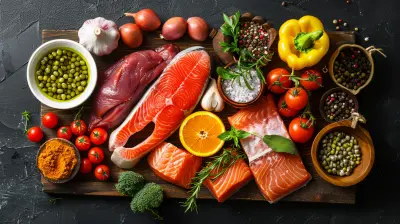
Before delving into the world of fitness apps, it's essential to understand why nutrition is a cornerstone of fitness. Nutrition fuels your body, supports recovery, and influences overall health. Whether your goal is weight loss, muscle gain, or simply maintaining a healthy lifestyle, what you eat plays a crucial role.Macronutrients and Micronutrients
At the core of nutrition are macronutrients and micronutrients.- Macronutrients include carbohydrates, proteins, and fats. Each serves a specific function in the body:
- Carbohydrates provide energy, especially during workouts.
- Proteins are vital for muscle repair and growth.
- Fats support hormone production and nutrient absorption.
- Micronutrients, such as vitamins and minerals, are essential for various bodily functions, including immune support and bone health.
Understanding these components will help you make informed choices about your diet.
The Rise of Fitness Apps
With the advent of smartphones, fitness apps have surged in popularity. They offer a convenient way to monitor your nutrition and fitness goals. But with hundreds of options available, how do you choose the right one? Here are some key features to consider.User-Friendly Interface
An intuitive interface is paramount. If an app is difficult to navigate, you are less likely to use it consistently. Look for apps that offer clear menus, easy food entry options, and straightforward tracking systems.Customization and Personalization
Every individual has unique dietary needs. A good fitness app should allow you to customize your goals based on your age, weight, activity level, and dietary preferences. Some apps even offer personalized meal plans tailored to your specific goals.Food Database
A comprehensive food database is a critical feature. The best apps will have a vast library of foods, including restaurant items and grocery store products. This makes logging your meals easier and more accurate.Barcode Scanning
Many apps include a barcode scanning feature, allowing you to quickly log packaged foods. This feature saves time and ensures accuracy, helping you stick to your nutritional goals without the hassle of manual entry.Nutritional Insights and Education
Beyond tracking, the best apps provide insights into your eating habits. They may offer tips on portion sizes, suggest healthier alternatives, or highlight nutrient deficiencies. This educational aspect can empower you to make better choices.Community Support and Accountability
Some apps incorporate a social component, connecting you with others on similar journeys. This can foster a sense of accountability and motivation, making it easier to stick to your nutrition goals.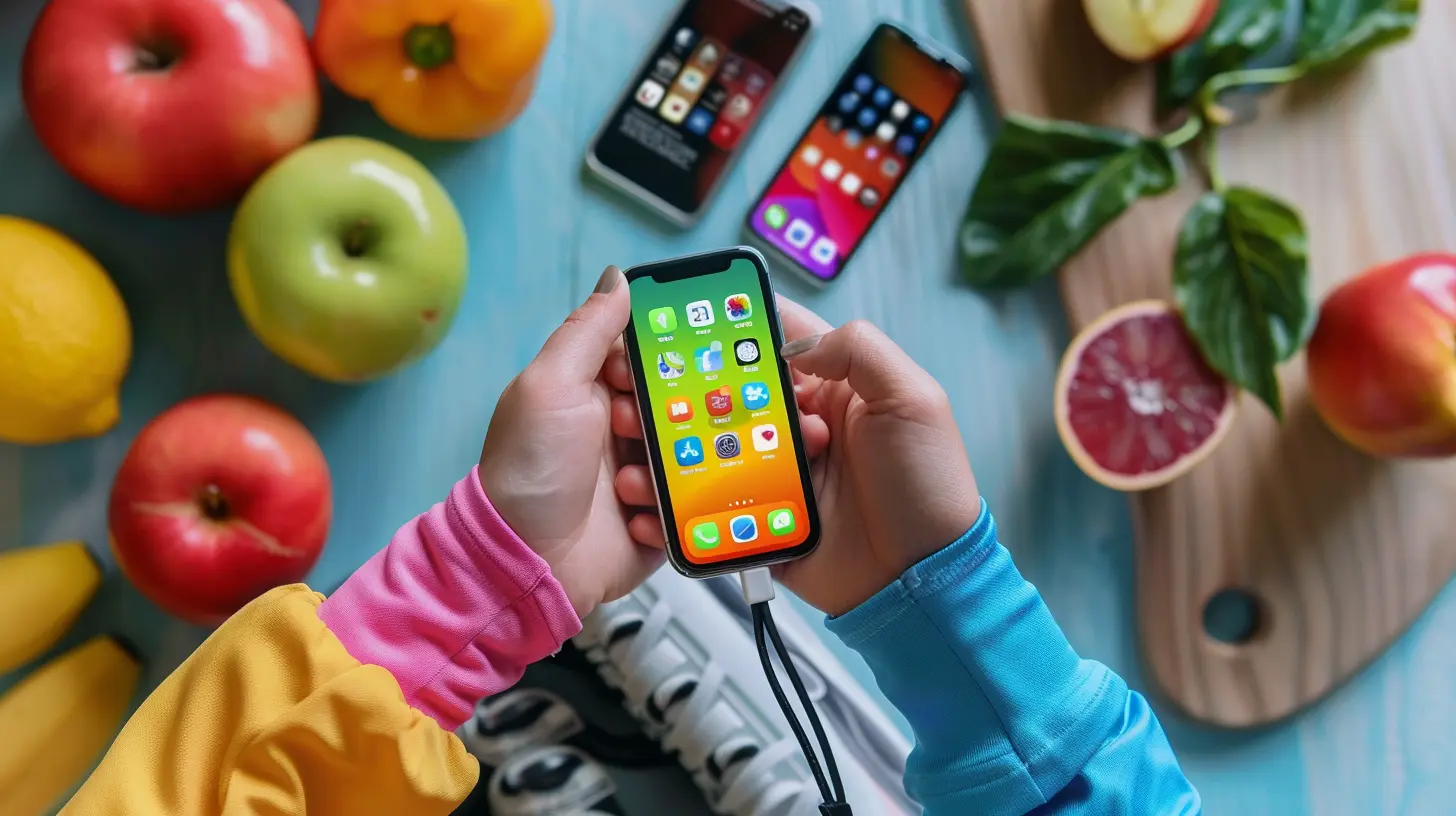
Popular Fitness Apps to Consider
MyFitnessPal
One of the most well-known fitness apps, MyFitnessPal, boasts a massive food database and a user-friendly interface. It allows you to track your meals, exercise, and even water intake. The app's barcode scanner simplifies food logging, making it a favorite for many.Pros:
- Extensive food database
- Community support features
- Integration with other fitness apps
Cons:
- The free version has ads
- Some users find the premium features pricey
Lose It!
Lose It! focuses on weight loss but is versatile enough for anyone looking to track their nutrition. It allows you to set a weight loss goal and provides a daily calorie budget. The app also offers a barcode scanner and a robust food database.Pros:
- Simple and intuitive design
- Strong community support
- Customizable goals
Cons:
- Limited features in the free version
- Less emphasis on education compared to others
Cronometer
For those who want a more detailed breakdown of their nutrition, Cronometer is an excellent choice. It tracks not only macronutrients but also micronutrients, making it ideal for individuals with specific dietary needs.Pros:
- Detailed nutrient analysis
- Custom food entries
- Excellent for tracking micronutrients
Cons:
- Can be overwhelming for beginners
- Less social interaction
Noom
Noom takes a unique approach by combining psychology with nutrition. It focuses on behavior change, helping users understand their eating habits. The app provides personalized meal plans and has a strong community aspect.Pros:
- Emphasis on behavior change
- Personalized coaching
- Strong support community
Cons:
- Monthly subscription fee can be high
- May not appeal to those seeking a straightforward tracking app

Common Mistakes When Using Fitness Apps
While fitness apps can be incredibly beneficial, there are common mistakes users often make. Recognizing these pitfalls can help you use these tools more effectively.Inaccurate Food Logging
One of the biggest challenges is accurately logging food. Users often underestimate portion sizes or forget to log snacks. To improve accuracy, consider using a food scale to measure portions, especially for calorie-dense foods.Relying Solely on the App
While apps provide valuable insights, it's essential to combine their use with real-life knowledge and practices. Don't solely rely on the app for guidance. Educate yourself about nutrition, listen to your body, and make adjustments as needed.Ignoring Nutritional Quality
Focusing solely on calorie counts can lead to poor nutritional choices. It's essential to prioritize whole foods rich in nutrients rather than just aiming for a calorie deficit. Apps can help track these choices, but it's up to you to make the right selections.Setting Unrealistic Goals
Some users set overly ambitious goals, leading to frustration and burnout. Aim for achievable, sustainable changes. Small, incremental changes often lead to long-term success.Best Practices for Using Fitness Apps Effectively
To maximize the benefits of fitness apps, consider these best practices:Consistency is Key
Use your app regularly to track meals and workouts. Consistency helps you identify patterns and make informed adjustments. Set reminders if necessary to keep yourself accountable.Set Realistic Goals
Establish clear, achievable goals. Instead of aiming to lose a specific number of pounds in a short time, focus on building healthier habits over time. This approach is more sustainable and less stressful.Engage with the Community
If your app offers community features, engage with others. Sharing your journey, challenges, and successes can provide motivation and support.Educate Yourself
Take advantage of the educational resources many apps offer. Understanding the "why" behind your food choices will empower you to make better decisions.Listen to Your Body
While tracking is essential, don't forget to listen to your body. If you feel hungry, tired, or unwell, adjust your intake accordingly. Nutrition is not just about numbers; it's also about how you feel.
Conclusion
Fitness apps can dramatically simplify nutrition, making it easier to track what you eat and understand your dietary needs. By focusing on key features like user-friendly interfaces, customization, and community support, you can find an app that fits your lifestyle. Remember to avoid common pitfalls by logging accurately, setting realistic goals, and prioritizing nutritional quality. With the right approach, fitness apps can be powerful allies in your journey toward better health and wellness.
all images in this post were generated using AI tools
Category:
Fitness AppsAuthor:

Holly Ellison
Discussion
rate this article
1 comments
Ainsley Bailey
Smart choices, simplified tracking.
November 23, 2026 at 3:36 AM