Fiber and Fitness: How It Fuels Your Workout Recovery
18 July 2026
Introduction
You push your body to the limit during workouts, expecting gains in strength, stamina, and overall health. But what if I told you that your recovery process is just as important as the workout itself? And guess what plays a huge role in recovery? Fiber! That’s right—while protein and hydration often take center stage in post-workout nutrition, fiber is the unsung hero that can significantly impact how well (and how fast) your muscles recover.
In this article, we’ll break down the role of fiber in fitness, how it aids in recovery, and the best ways to include it in your diet for optimal performance. 
The Importance of Workout Recovery
Before diving into fiber’s role, let’s talk about why workout recovery matters.Every exercise session, whether it's weightlifting, running, or yoga, puts your muscles under stress. This stress creates tiny tears in the muscle fibers, which need to be repaired to grow stronger. Proper recovery ensures:
- Muscle Repair & Growth – Healing those micro-tears leads to stronger muscles.
- Reduced Inflammation – Intense exercise can cause inflammation, slowing recovery.
- Improved Digestion & Nutrient Absorption – Your body needs to process nutrients efficiently for repair.
- Replenished Energy Stores – Glycogen (your body’s fuel source) needs to be restored.
Neglecting recovery leads to fatigue, soreness, and even injury. This is where fiber steps in as an essential, yet often overlooked, nutrient. 
What Is Fiber, and Why Does It Matter?
Fiber is a type of carbohydrate that your body can’t fully digest. While that might sound like a bad thing, it’s actually fantastic for your health. There are two main types of fiber:1. Soluble Fiber
- Dissolves in water, forming a gel-like substance.- Slows digestion, stabilizing blood sugar and improving nutrient absorption.
- Found in oats, beans, apples, and flaxseeds.
2. Insoluble Fiber
- Doesn’t dissolve in water and helps move food through the digestive system.- Prevents constipation and supports gut health.
- Found in whole grains, nuts, vegetables, and seeds.
Both types of fiber contribute to overall health, but how do they help with workout recovery? Let’s find out. 
How Fiber Supports Workout Recovery
1. Enhances Nutrient Absorption
After an intense workout, your body craves nutrients like protein, vitamins, and minerals to rebuild muscle. Soluble fiber helps by slowing digestion, allowing your body to absorb these nutrients more efficiently. Think of it as giving your body a steady stream of raw materials rather than dumping them all at once.2. Reduces Inflammation
Exercise-induced inflammation is normal, but prolonged inflammation can hinder recovery. Fiber-rich foods, especially those high in antioxidants (like berries and leafy greens), help reduce oxidative stress, keeping inflammation in check.3. Supports Gut Health
A healthy gut is essential for overall well-being, including fitness recovery. Fiber acts as prebiotics, feeding beneficial gut bacteria. A well-balanced gut microbiome improves digestion, enhances nutrient absorption, and even boosts immunity— keeping you healthier and ready for your next workout.4. Manages Hunger and Satiety
Ever noticed that post-workout hunger can hit like a freight train? Fiber helps keep you full longer, preventing overeating and unnecessary snacking. This is especially helpful if you’re trying to stay lean while maintaining energy levels.5. Regulates Blood Sugar Levels
Exercise depletes glycogen stores, and consuming carbohydrates helps replenish them. Fiber-rich foods slow down sugar absorption, preventing spikes and crashes. This ensures steady energy levels and reduces fatigue.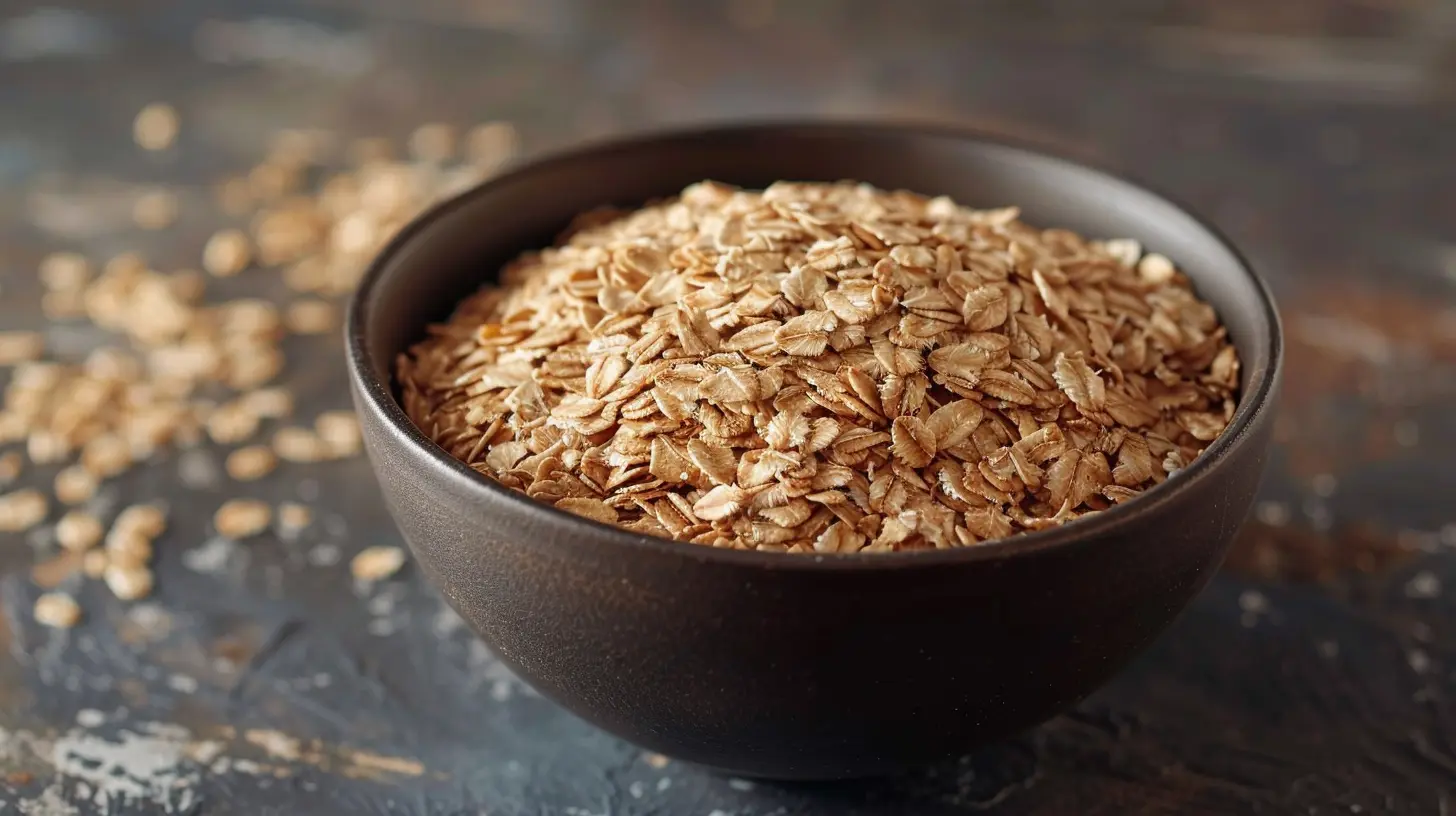
Best Fiber-Rich Foods for Recovery
Not all fiber sources are created equal when it comes to fitness recovery. Here are the best choices to add to your post-workout meals:1. Oats
- Packed with soluble fiber for sustained energy release.- Contains beta-glucan, which boosts immunity and reduces inflammation.
2. Sweet Potatoes
- A great source of fiber and complex carbs.- Loaded with vitamins A and C to support recovery.
3. Leafy Greens (Spinach, Kale, etc.)
- Rich in insoluble fiber, aiding digestion.- High in antioxidants to fight inflammation.
4. Berries (Blueberries, Raspberries, Strawberries)
- Contain both soluble and insoluble fiber.- Packed with antioxidants for muscle repair.
5. Chia Seeds & Flaxseeds
- High in soluble fiber and omega-3 fatty acids.- Reduce muscle soreness and improve digestion.
6. Lentils & Beans
- Provide fiber and plant-based protein for muscle recovery.- Balance blood sugar levels and promote gut health.
7. Whole Grains (Quinoa, Brown Rice, Barley)
- Rich in fiber and slow-digesting carbs for energy replenishment.- Keep insulin levels stable, helping with muscle repair.
How to Include More Fiber in Your Post-Workout Diet
Adding fiber to your diet doesn’t have to be complicated. Here’s how you can effortlessly boost your intake:1. Start with a High-Fiber Breakfast
- Have overnight oats with chia seeds and berries.- Make a smoothie with spinach, flaxseeds, and bananas.
2. Snack Smart
- Choose nuts, fruit, or hummus with whole-grain crackers.- Avoid processed snacks that lack fiber.
3. Incorporate Fiber into Post-Workout Meals
- Add quinoa or brown rice as a side.- Toss lentils or beans into salads or soups.
4. Hydrate Well
- Fiber absorbs water, so drink plenty of fluids to aid digestion.- Herbal teas and coconut water can also help.
5. Gradually Increase Fiber Intake
- Sudden fiber increases can cause bloating. Slowly introduce high-fiber foods to allow your digestive system to adjust.Common Myths About Fiber and Fitness
Myth 1: Fiber Slows Down Muscle Building
While too much fiber before a workout can cause bloating, post-workout fiber aids digestion and nutrient absorption, helping muscle growth in the long run.Myth 2: Protein Is the Only Nutrient That Matters
Protein is crucial, but recovery isn’t just about muscle repair. A well-balanced diet, including fiber, supports digestion, inflammation control, and energy balance.Myth 3: All Fiber Works the Same Way
Soluble and insoluble fiber have different roles. For workout recovery, it’s important to get a mix of both from diverse food sources.Final Thoughts
Fiber might not be the first thing that comes to mind when you think about workout recovery, but it plays a vital role in improving digestion, reducing inflammation, stabilizing energy levels, and promoting overall well-being. A balanced diet that includes fiber-rich foods will not only help you recover faster but also enhance overall athletic performance.So, next time you plan your post-workout meal, don’t just focus on protein—make sure you’re getting enough fiber, too. Your body will thank you for it!
all images in this post were generated using AI tools
Category:
Fiber Rich DietAuthor:

Holly Ellison
Discussion
rate this article
1 comments
Faye McElveen
Fiber is essential for optimal workout recovery.
July 19, 2026 at 5:00 AM
Holly Ellison
Absolutely! Fiber plays a key role in digestion and can help replenish energy levels after intense workouts. It's an important part of recovery.