Fiber and Bone Health: Are They Connected?
28 June 2026
We all know that calcium and vitamin D are essential for strong bones. But what if I told you that fiber—yes, the same nutrient that keeps your digestive system happy—might also play a role in bone health? It’s not something we hear about often, but recent research suggests a fascinating link between fiber intake and stronger bones.
Could fiber be another secret weapon for preventing osteoporosis and keeping your bones strong as you age? Let’s dive into this lesser-known connection and see if boosting your fiber intake could also protect your skeletal system.
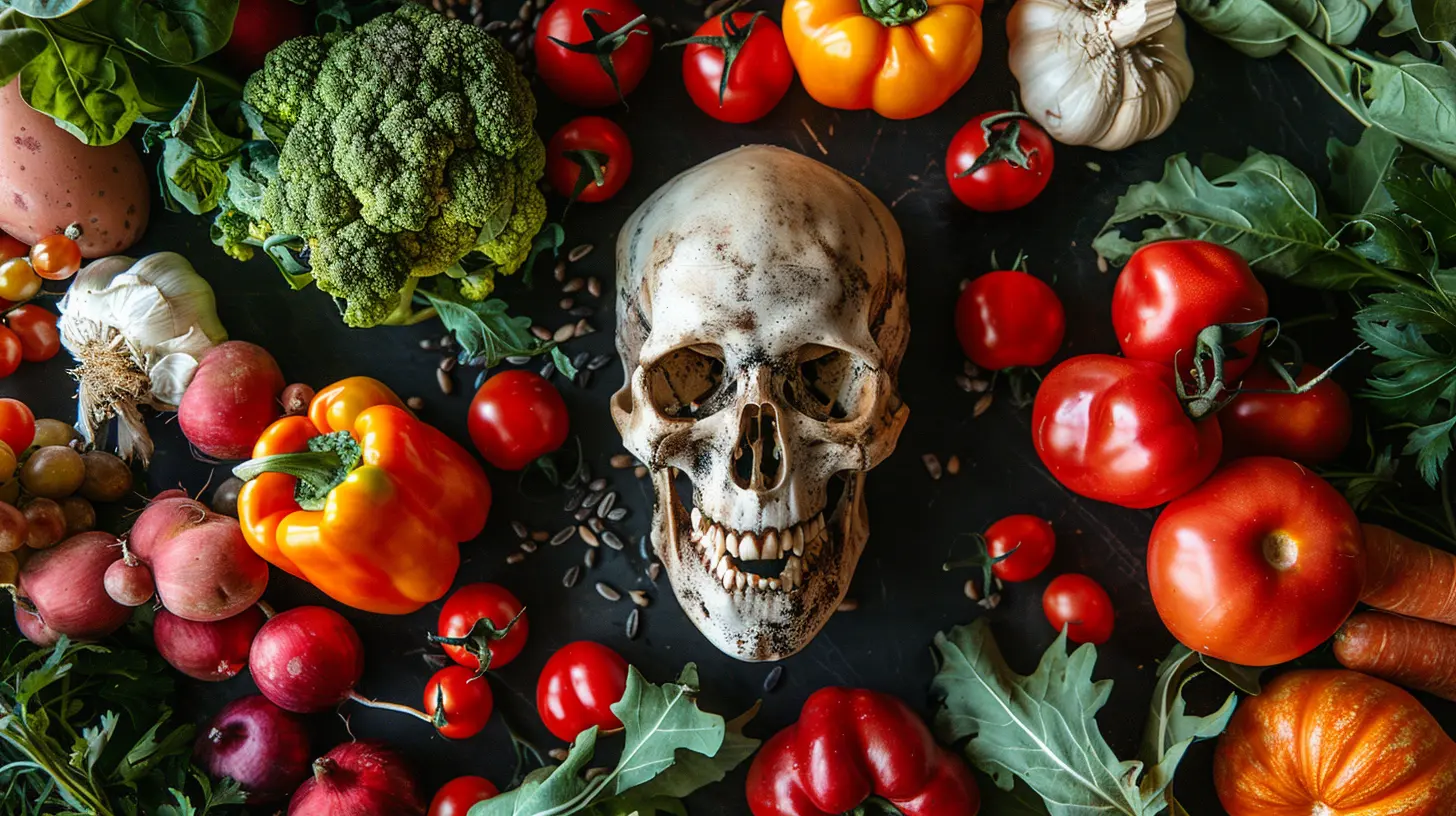
What Exactly Is Fiber?
Before we jump into the link between fiber and bone health, let’s quickly break down what fiber is.Dietary fiber is a type of carbohydrate that your body can’t digest. Instead of being broken down like other carbs, fiber passes through your digestive system, helping to regulate digestion, control blood sugar, and even support heart health. It comes in two main types:
- Soluble Fiber: Dissolves in water and helps lower cholesterol and blood sugar levels. Found in foods like oats, beans, apples, and carrots.
- Insoluble Fiber: Doesn’t dissolve in water and promotes regular bowel movements by adding bulk to stool. Found in whole grains, nuts, and many vegetables.
Most of us associate fiber with gut health, but as it turns out, its benefits might extend to our bones, too.

The Surprising Link Between Fiber and Bone Health
So, what does a nutrient that primarily helps with digestion have to do with bone strength? The connection lies in the gut.1. Gut Health and Nutrient Absorption
Your gut isn’t just responsible for digestion—it also influences how well your body absorbs nutrients essential for bone health, like calcium and magnesium.A well-balanced gut microbiome (the trillions of bacteria in your digestive tract) helps break down food and improve nutrient absorption. Fiber acts as a prebiotic, feeding good gut bacteria and promoting a healthy digestive environment. And when your gut is thriving, it can better absorb the minerals that strengthen your bones.
2. Short-Chain Fatty Acids and Bone Formation
When fiber ferments in the gut, it produces short-chain fatty acids (SCFAs), such as butyrate, acetate, and propionate. These SCFAs help lower inflammation and create a gut environment where more calcium can be absorbed.Even more fascinating? Some studies suggest that SCFAs might signal bone-building cells (osteoblasts) to get to work, making higher fiber intake potentially beneficial for maintaining strong bones.
3. Reducing Bone-Damaging Inflammation
Chronic inflammation can weaken bones over time, increasing the risk of osteoporosis. High-fiber diets have been shown to help reduce inflammation by supporting gut health and lowering levels of inflammatory markers in the body.Less inflammation means better bone turnover and a reduced risk of bone loss as you age.
4. Regulating Hormones That Affect Bone Density
Hormones play a huge role in bone strength, and fiber might help keep them in check. For example:- Fiber helps regulate insulin levels, and high insulin resistance has been linked to lower bone density.
- Some types of fiber can influence estrogen levels, which is important since estrogen helps protect against bone loss, especially in women going through menopause.
By stabilizing these hormonal factors, fiber may provide an added layer of protection for your bones.
How Much Fiber Do You Need for Stronger Bones?
You might be wondering: how much fiber do I actually need to see these benefits?The recommended daily intake for fiber is:
- Men: About 38 grams per day
- Women: About 25 grams per day
Unfortunately, most people don’t even come close to these numbers. The average daily fiber intake in the U.S. is around 15 grams—far below the recommended amount.
If you want to boost your fiber intake for better gut and bone health, you’ll need to focus on fiber-rich foods.
Best Fiber-Rich Foods for Bone Health
Not all fiber-rich foods are equal when it comes to supporting bone health. Here are some of the best choices:1. Legumes
Beans, lentils, and chickpeas are packed with fiber and minerals like magnesium, calcium, and phosphorus—all crucial for bone strength.2. Whole Grains
Oats, quinoa, brown rice, and whole wheat products provide a good dose of fiber while also delivering essential nutrients for bone health.3. Nuts and Seeds
Almonds, chia seeds, and flaxseeds not only provide fiber but also deliver healthy fats and minerals that help maintain strong bones.4. Fruits
Apples, pears, bananas, and berries offer a mix of soluble and insoluble fiber, plus antioxidants that support overall health.5. Vegetables
Leafy greens, carrots, broccoli, and Brussels sprouts are fiber-rich and full of bone-friendly minerals like calcium and vitamin K.6. Fermented Foods
Yogurt, kimchi, and sauerkraut contain probiotics that support gut health, enhancing your ability to absorb bone-strengthening nutrients.Tips to Increase Your Fiber Intake
If you’re not getting enough fiber in your diet, here are some simple ways to boost it without making drastic changes:- Start Your Day with Whole Grains – Swap white bread or sugary cereals for oatmeal, whole wheat toast, or quinoa.
- Include More Beans – Add lentils or black beans to soups, salads, or tacos.
- Snack on Nuts and Seeds – Keep almonds, walnuts, or chia seeds handy for healthy snacking.
- Eat More Fruits and Vegetables – Aim for at least five servings a day for a solid fiber boost.
- Gradually Increase Fiber Intake – Going from low to high fiber too quickly can cause bloating. Increase fiber slowly and drink plenty of water.
Final Thoughts
Fiber might not be the first thing that comes to mind when thinking about bone health, but it’s a game-changer. By nourishing your gut, reducing inflammation, improving calcium absorption, and balancing hormones, fiber could be an underrated ally in keeping your bones strong for life.So, if you’re already eating fiber for better digestion, great! But now you have one more reason to make sure you’re getting enough—it could be silently working behind the scenes to protect your bones as well.
Next time you fill up your plate, remember that a fiber-rich diet does more than just keep your gut happy—it might just be the secret ingredient for lifelong bone health.
all images in this post were generated using AI tools
Category:
Fiber Rich DietAuthor:

Holly Ellison
Discussion
rate this article
1 comments
Caitlin Brooks
Who knew fiber could be a bone's best friend? Time to load up on those veggies and whole grains for strong bones and happy guts... let's dig in!
July 6, 2026 at 3:26 PM
Holly Ellison
Absolutely! Fiber plays a key role in bone health, helping with nutrient absorption. Veggies and whole grains are a great choice for strong bones and a healthy gut. Let's enjoy those foods!