FAQs About Soluble vs Insoluble Fiber: What You Should Eat
31 December 2025
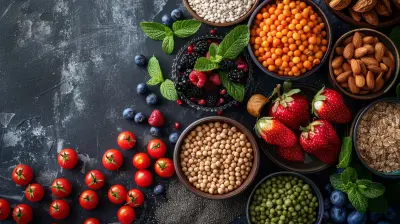
When it comes to healthy eating, fiber is like the unsung hero of your diet. Sure, we often hear about proteins, carbs, and fats, but fiber? It's the quiet MVP that supports your gut and overall health. Yet, not all fiber is created equal—there are two main types: soluble and insoluble fiber. So, what’s the difference, and what should you focus on eating? Let’s dive into some frequently asked questions about soluble vs insoluble fiber and break it all down.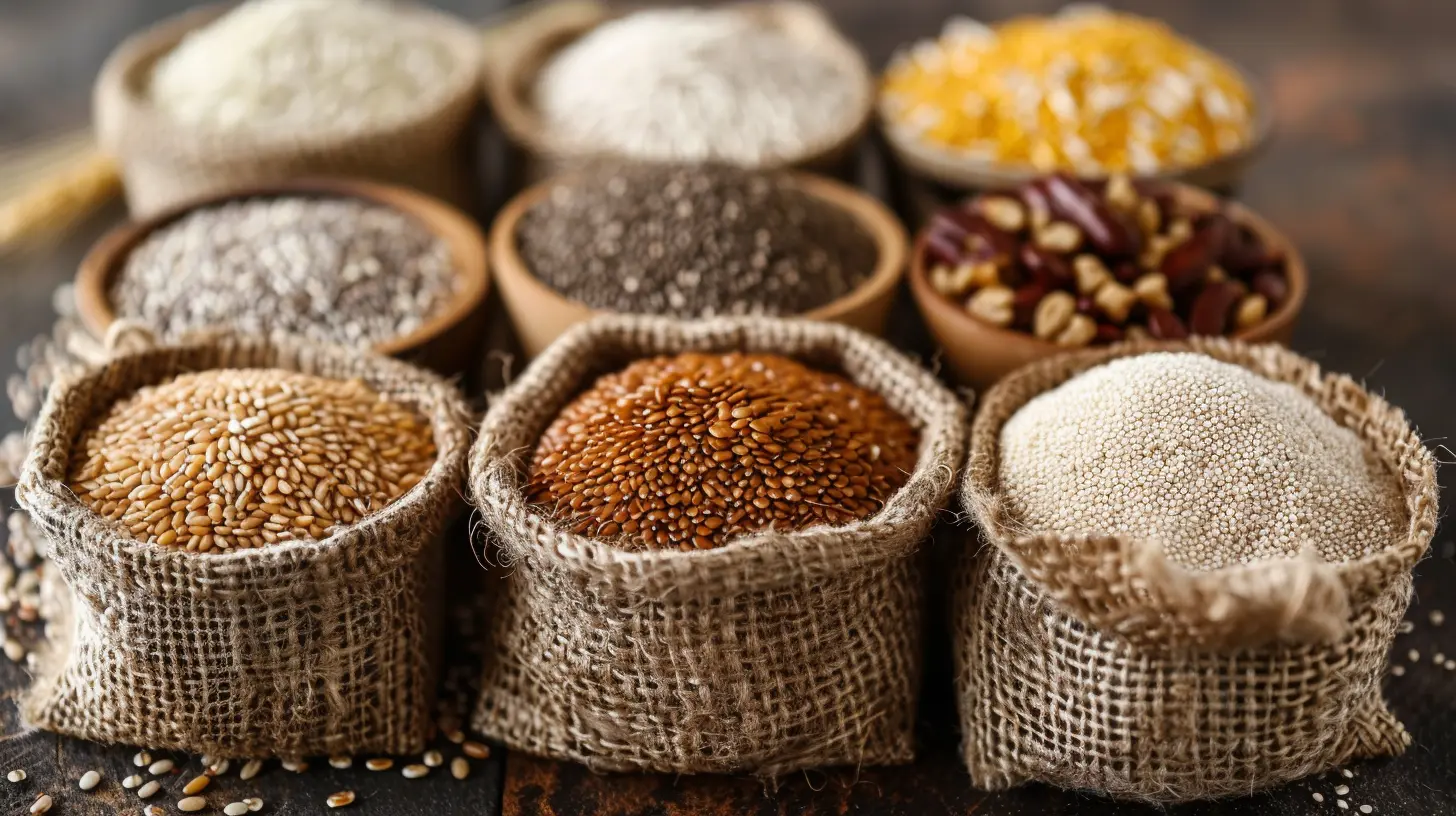
What Is Fiber, Exactly?
In simple terms, fiber is a type of carbohydrate that your body can’t digest. Sounds odd, right? But that’s where its magic lies. Unlike sugars or starches, fiber doesn’t get broken down into glucose. Instead, it passes through your digestive system mostly intact, doing all sorts of cool things along the way, like promoting healthy digestion and keeping your heart in check.Soluble vs. Insoluble Fiber: The Basics
Fiber can be divided into two categories:1. Soluble Fiber: This type dissolves in water and transforms into a gel-like substance in your gut.
2. Insoluble Fiber: This one doesn’t dissolve in water—picture it as a broom that sweeps through your digestive system.
Both types are important, but they work differently in your body. Keep reading, and I’ll explain how.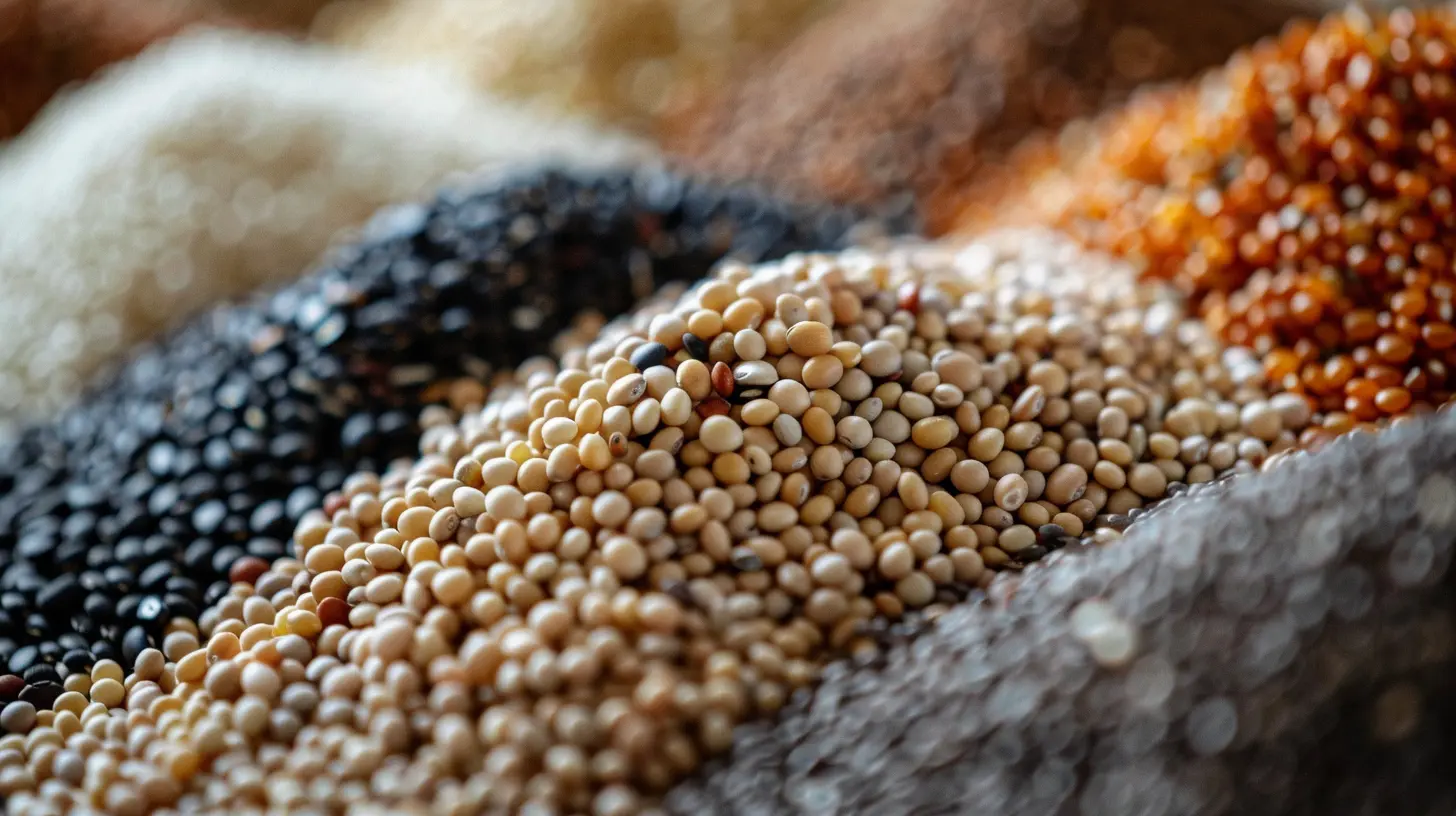
What Does Soluble Fiber Do?
Soluble fiber is like that friend who solves problems quietly behind the scenes. It mixes with water to form a gel-like substance, slowing down digestion. Why is that good? Well, it helps regulate your blood sugar levels and lowers bad cholesterol (LDL).Where Can You Find Soluble Fiber?
Some common food sources of soluble fiber include:- Oats: That warm bowl of oatmeal isn’t just cozy—it’s a fiber superstar!
- Beans and Lentils: Black beans, chickpeas, and lentils are packed with soluble fiber.
- Fruits: Apples, oranges, and berries are all excellent sources.
- Vegetables: Think carrots, Brussels sprouts, and sweet potatoes.
- Psyllium Husk: This is often found in fiber supplements and is super high in soluble fiber.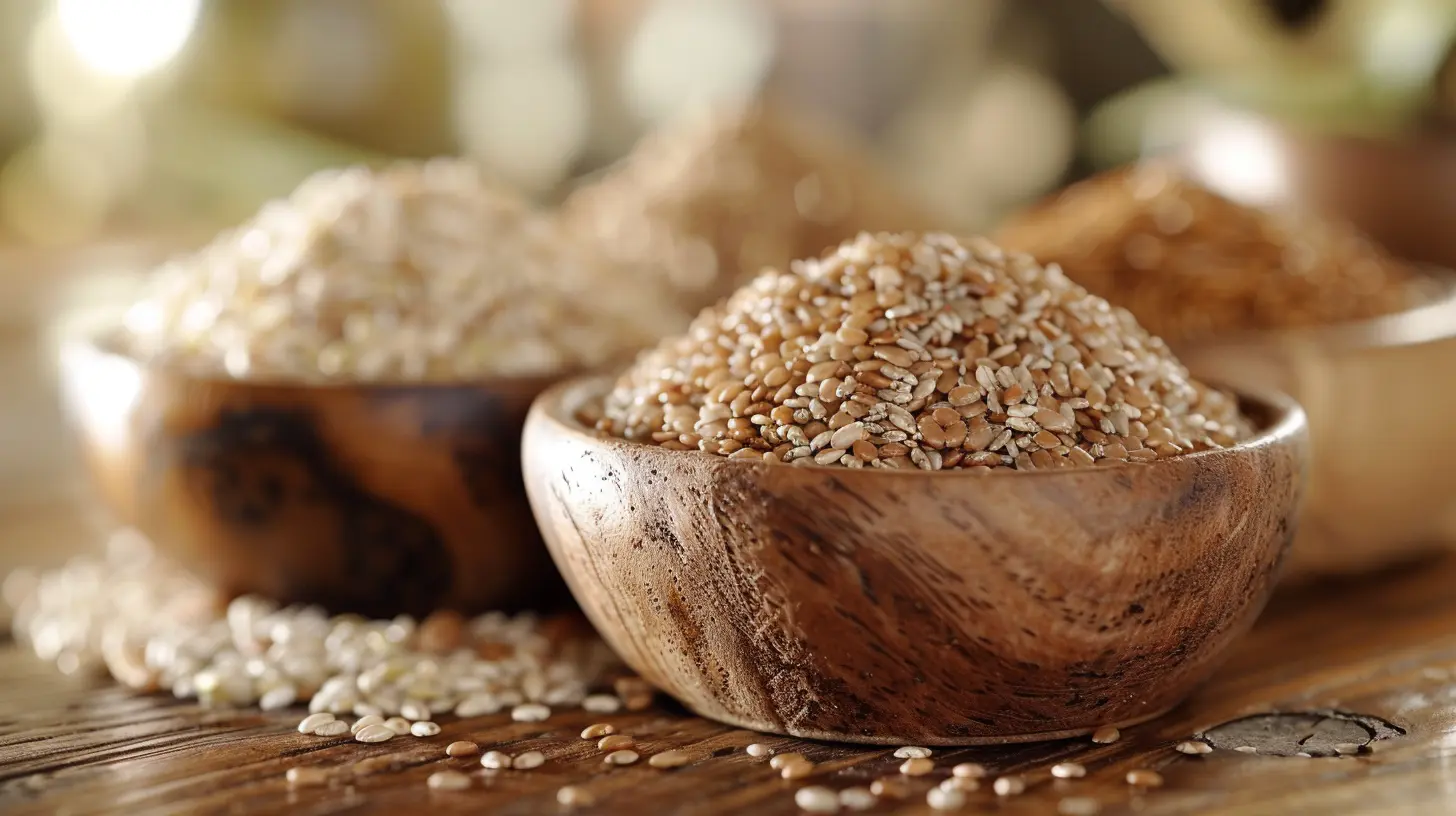
What About Insoluble Fiber?
If soluble fiber is the quiet fixer, insoluble fiber is the loud cheerleader for your gut. It adds bulk to your stool (yep, we're talking poop) and speeds up the movement of food through your digestive tract. Think of it like a broom sweeping out your system.Where Can You Find Insoluble Fiber?
Insoluble fiber is abundant in:- Whole Grains: Brown rice, quinoa, and whole wheat bread will give your gut a boost.
- Veggies: Broccoli, cauliflower, and zucchini are loaded with insoluble fiber.
- Nuts and Seeds: Sunflower seeds and almonds are great options.
- Skins of Fruits and Veggies: Don’t peel your apples or cucumbers—keep the skins on for extra fiber.
Which Type of Fiber Is Better for Weight Loss?
This is where things get interesting. Soluble fiber is your ally if weight loss is on your radar. Why? Because it slows digestion and makes you feel fuller for longer—perfect if you’re trying to curb your appetite. It’s like adding a “pause” button to your hunger.However, don’t ignore insoluble fiber! It doesn’t directly curb hunger, but it keeps your digestive system running smoothly, which is crucial for overall health.
Pro Tip:
Aim for a mix of both fibers in your diet. Balance is key; it’s like having a dynamic duo working together for your health.How Much Fiber Do You Actually Need?
Here’s a common question: how much is enough? The recommended daily intake (RDI) for fiber is:- Women: 21–25 grams per day
- Men: 30–38 grams per day
But let’s be real—most of us aren’t hitting that target. If you’re not sure if you’re getting enough fiber, start tracking your meals for a few days and adjust accordingly.
Can You Eat Too Much Fiber?
Yep, you sure can. While fiber is great, there is such a thing as overdoing it. Too much fiber (especially too quickly) can lead to bloating, gas, and even cramping. Think of it like adding too much detergent to your washing machine—it suds up and overflows.If you’re increasing your fiber intake, do it gradually. And don’t forget to drink plenty of water! Fiber without water can cause constipation, which is like setting up a roadblock in your digestive system.
How Do You Balance Soluble and Insoluble Fiber?
Balancing these two types of fiber doesn’t have to be complicated. A good rule of thumb? Eat a variety of plant-based foods. Nature has a clever way of packing both soluble and insoluble fiber into many whole foods.For example:
- An apple has soluble fiber in its flesh and insoluble fiber in its skin.
- Whole grains like oats contain a mix of both types.
Rather than micromanaging your fiber intake, focus on eating a colorful, balanced diet. Your body will thank you.
Are There Any Special Benefits of Fiber for Gut Health?
Absolutely! Fiber acts as a prebiotic, which feeds the good bacteria in your gut. Think of your gut as a garden and fiber as the fertilizer. When you nourish your gut microbiome with fiber, those bacteria thrive and help keep your digestive system in tip-top shape.Is Fiber Good for Heart Health?
Yes, yes, and YES! Fiber, especially soluble fiber, has been proven to lower LDL (bad cholesterol) levels. This keeps your arteries clear and reduces your risk of heart disease.How Does It Work?
Picture cholesterol as sticky debris floating around in your bloodstream. Soluble fiber latches onto it and ushers it out of your system before it can cause trouble. Pretty cool, right?What’s the Best Way to Start Eating More Fiber?
If you’re ready to up your fiber game, here are some practical tips:- Start Small: Don’t suddenly triple your fiber intake overnight. Instead, add an extra serving of veggies or a handful of nuts to your meals.
- Swap Refined for Whole: Choose whole-grain bread, pasta, and rice instead of the white varieties.
- Snack Smart: Munch on fruits, veggies, or trail mix with nuts and seeds.
- Stay Hydrated: Water and fiber are besties. Keep a water bottle handy throughout the day.
Remember, it’s a marathon, not a sprint. Small changes can go a long way.
Is Fiber the Same as Whole Grains?
Not quite. While whole grains are a fantastic source of fiber, they’re not the only one. Fiber is found in fruits, veggies, legumes, nuts, and seeds too. So don’t get tunnel vision—mix it up!Final Thoughts: What Should I Eat?
Still wondering what to eat? Here’s a quick cheat sheet:- For soluble fiber: Oats, beans, and fruits like apples and oranges.
- For insoluble fiber: Whole grains, veggies with skins, and nuts.
Aim for variety. Think of your diet as a fiber rainbow—colorful and diverse.
all images in this post were generated using AI tools
Category:
Fiber Rich DietAuthor:

Holly Ellison
Discussion
rate this article
2 comments
Noemi Lynch
Great overview! Understanding the differences between soluble and insoluble fiber is essential for a balanced diet. Both play unique roles in digestion and overall health.
February 3, 2026 at 3:52 AM
Holly Ellison
Thank you! I'm glad you found the overview helpful. Understanding both types of fiber is indeed crucial for maintaining a healthy diet.
Sienna McKeehan
Think of soluble fiber as your cozy blanket and insoluble fiber as your favorite pair of jeans—both essential, darling!
January 16, 2026 at 5:44 AM
Holly Ellison
Great analogy! Both types of fiber play vital roles in digestive health—soluble fiber for comfort and heart health, and insoluble fiber for keeping things moving. Thanks for sharing!