Exploring the Environmental Impact of a Paleo Lifestyle
6 February 2026
The Paleo lifestyle has become wildly popular due to its focus on eating whole, unprocessed foods—much like our ancestors did. But while many people rave about its health benefits, one question remains: What impact does the Paleo diet have on the environment?
Is this ancestral way of eating sustainable, or does it contribute to environmental degradation? Let's break it all down, one bite at a time. 
What Is the Paleo Lifestyle?
Before we dive into its environmental impact, let's clarify what the Paleo lifestyle actually is.In simple terms, the Paleo diet mimics the eating habits of our hunter-gatherer ancestors. That means plenty of:
- Grass-fed meats
- Fish and seafood
- Fresh fruits and vegetables
- Nuts and seeds
- Healthy fats like olive, coconut, and avocado oil
On the flip side, followers of Paleo avoid processed foods, dairy, grains, legumes, and refined sugar. The goal is to eat as naturally as possible—similar to how humans evolved before agriculture took over.
That sounds pretty wholesome, right? But does this way of eating help or hurt the planet? 
The Carbon Footprint of Meat Consumption
One of the biggest criticisms of the Paleo diet is its heavy reliance on animal products. Meat, particularly red meat, is notorious for having a high carbon footprint.According to research, beef production contributes significantly to greenhouse gas emissions. Cows generate methane—one of the most potent greenhouse gases—through digestion and manure. Additionally, raising livestock requires vast amounts of land, water, and food.
So, does that mean Paleo is automatically bad for the environment? Not necessarily. The way our meat is sourced makes a world of difference.
Grass-fed, pasture-raised animals produce fewer emissions than factory-farmed livestock. Sustainable and regenerative farming methods can even help restore soil health and sequester carbon. In other words, supporting ethical meat sources could turn a Paleo diet into a net positive for the environment. 
The Environmental Benefits of Eating Whole Foods
While the meat-heavy aspect of Paleo raises concerns, there's another side to the story—its emphasis on whole, unprocessed foods.Think about how much energy goes into producing processed foods. They require large-scale agriculture, industrial manufacturing, and long supply chains. The more a food item is processed, the more resources are needed to make it.
By cutting out processed foods, the Paleo diet reduces reliance on industries that contribute to pollution, deforestation, and excessive waste. Less packaging, fewer additives, and a stronger focus on local foods mean a lower environmental impact.
So yes, while consuming large quantities of meat can be problematic, the Paleo diet also encourages sustainable eating habits that can benefit the planet. 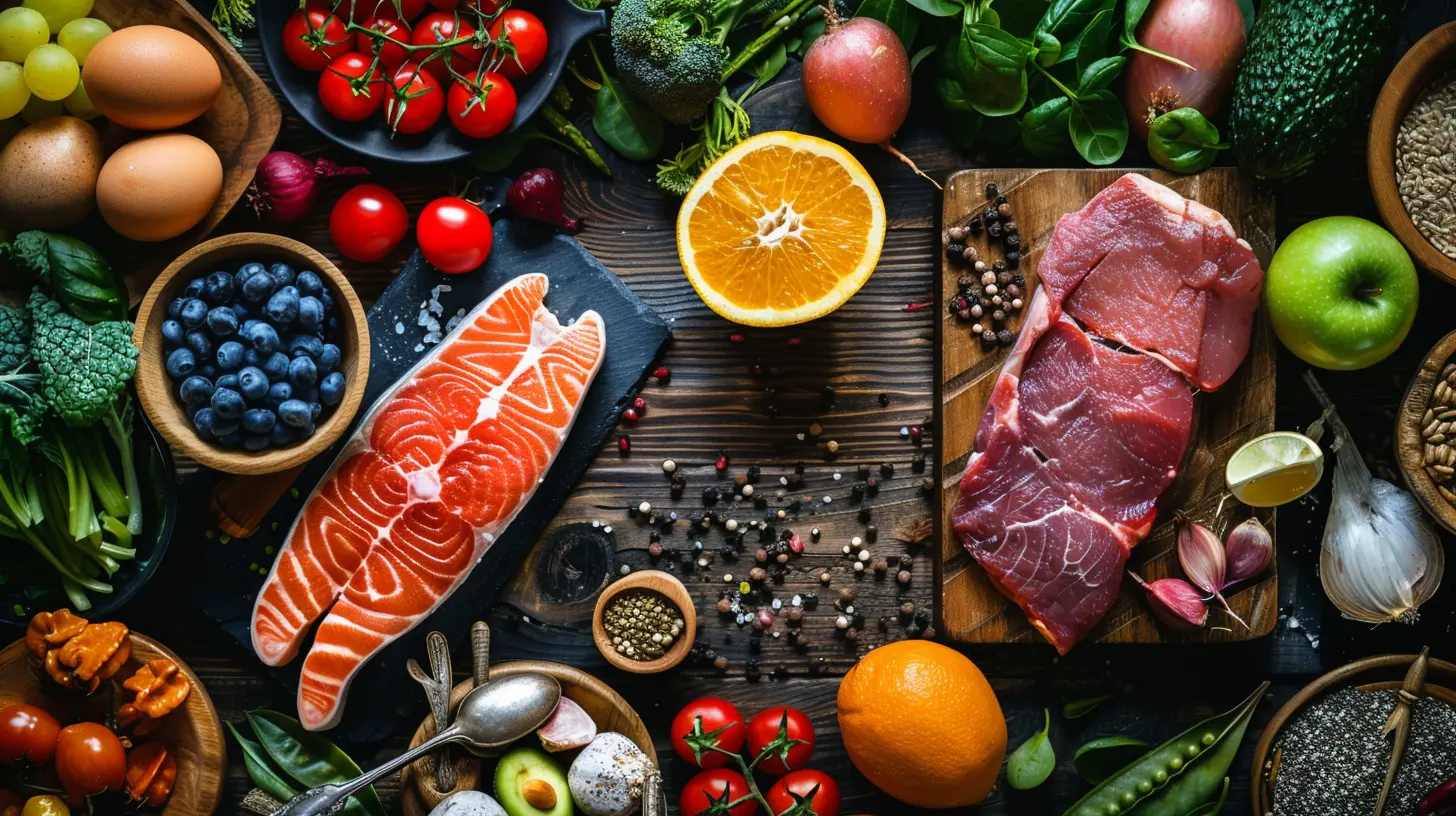
How the Paleo Lifestyle Reduces Food Waste
Food waste is a massive environmental issue. Landfills are overflowing with unused food, which then decomposes and releases methane into the atmosphere.Paleo eaters tend to be more mindful about their food choices. Since they focus on whole foods and fresh produce, they are less likely to buy packaged convenience foods that often go uneaten. Additionally, many Paleo followers prioritize nose-to-tail eating—meaning they make use of every part of the animal to minimize waste.
From making homemade broths with bones to consuming organ meats, Paleo eaters embrace a sustainable, waste-free approach to food. That's a win for both the environment and a nutrient-dense diet!
The Impact of Conventional Agriculture vs. Regenerative Farming
A common misconception is that plant-based diets are automatically more sustainable than meat-based diets. But this isn't always true.The issue lies in how food—whether it's plants or animals—is grown and raised. Conventional industrial farming often depletes soil, uses harmful pesticides, and requires intensive irrigation. In contrast, regenerative agriculture focuses on restoring the land through responsible farming practices.
Regenerative farming methods, such as rotational grazing, actually improve soil health, increase biodiversity, and capture carbon from the atmosphere. When meat is sourced from regenerative farms, its environmental impact is significantly reduced—even compared to mass-produced crops like soy and corn.
For Paleo eaters, supporting regenerative farming practices is key to making their diet more sustainable.
The Role of Seasonal and Local Eating in Paleo Sustainability
One of the best ways to lower your environmental footprint is by eating locally and seasonally—both of which align with a Paleo mindset.Think about it: Our hunter-gatherer ancestors didn’t eat the same foods year-round. They consumed what was naturally available in their environment. That means foods were fresher, and they didn’t require long-distance transportation.
Today, many Paleo adherents strive to buy local produce and meats. This reduces reliance on imported goods, minimizes fossil fuel emissions from transportation, and supports regional farming communities.
So next time you're at the grocery store or farmers' market, choosing local and seasonal options can make a real difference—for both your health and the planet.
Does the Paleo Lifestyle Promote Overfishing?
A lot of Paleo eaters incorporate fish and seafood into their diet for its rich omega-3 content. But with overfishing posing a serious threat to marine ecosystems, is this a sustainable choice?It all depends on the source. Seafood raised in unsustainable fisheries can lead to habitat destruction, species depletion, and ecosystem imbalances. However, responsibly sourced fish—such as wild-caught options from well-managed fisheries or sustainably farmed seafood—can be a much better choice.
If you're eating fish on a Paleo diet, look for certifications like the Marine Stewardship Council (MSC) or visit trusted sources that prioritize ethical fishing methods.
How to Make the Paleo Lifestyle More Environmentally Friendly
If you're a Paleo enthusiast—or considering giving it a try—here’s how you can minimize your environmental footprint while still reaping the diet’s benefits:1. Choose Grass-Fed, Pasture-Raised Meat
Aim to buy meat from farms that follow humane and regenerative farming practices. Grass-fed beef, free-range poultry, and pasture-raised pork all have a lower environmental impact than factory-farmed alternatives.2. Prioritize Nose-to-Tail Eating
Eating all parts of the animal reduces waste and promotes a more sustainable food system. Use bones for broth, eat organ meats, and avoid discarding edible portions.3. Buy Local and Seasonal Produce
Supporting local farmers not only ensures fresher food but also cuts down on transportation emissions. Choose seasonal fruits and vegetables whenever possible.4. Limit Seafood to Sustainable Sources
If you love fish, make sure you’re choosing sustainable options from responsible fisheries. Look for certifications or buy directly from ethical seafood suppliers.5. Reduce Packaging and Food Waste
Say no to excessive plastic packaging. Buy in bulk, store food properly to avoid spoilage, and repurpose leftovers to minimize waste.6. Support Regenerative Farming Practices
Whenever possible, purchase food from farms that engage in soil restoration, crop rotation, and responsible grazing techniques. These methods enhance biodiversity and combat climate change.Final Thoughts: Can Paleo Be Good for the Planet?
Like any diet, the environmental impact of Paleo depends on how you approach it. A meat-heavy diet sourced from industrial farms? Not great for the planet. But a Paleo diet that emphasizes locally sourced, grass-fed meat, seasonal produce, and nose-to-tail eating? That’s a different story.Ultimately, the key to making the Paleo lifestyle environmentally friendly lies in conscious choices. By opting for sustainable food sources, reducing waste, and supporting ethical farming methods, Paleo eaters can enjoy their ancestral diet without harming the earth.
So, can Paleo and sustainability coexist? Absolutely—but only if we make mindful, eco-conscious decisions along the way.
all images in this post were generated using AI tools
Category:
Paleo DietAuthor:

Holly Ellison
Discussion
rate this article
2 comments
Azurael Cain
Paleo's benefits overshadowed by significant ecological concerns.
March 3, 2026 at 5:56 AM
Holly Ellison
Thank you for your comment! While the Paleo lifestyle has potential health benefits, it's crucial to consider its ecological implications, as sustainable practices are essential for long-term well-being.
Rosanna Becker
Who knew eating like a caveman could come with a side of guilt? Next time I munch on my grass-fed mammoth steak, I'll remember to compost the last Ice Age's worth of packaging!
February 11, 2026 at 5:00 AM
Holly Ellison
It's a funny take on the paleo diet. Balancing choices with sustainability is key, even in our quest for ancient flavors.