Creating a Meditation Routine That Fits Your Lifestyle
7 March 2026
Let’s face it—life can feel like a whirlwind. Between work emails, social commitments, and that never-ending to-do list, finding peace and stillness might sound like a luxury. But what if I told you that meditation doesn't have to be this grand, rigid practice that only monks or yogis can master? You don’t need to light incense, chant in Sanskrit, or twist your legs into a pretzel pose.
Meditation can be simple, practical, and personal. The secret? Creating a meditation routine that fits your lifestyle—not the other way around.
In this article, we’ll break down the what, why, and how of crafting a meditation habit that sticks—without flipping your life upside down.
Why Meditation Matters (Even If You're Crazy Busy)
Here's the thing: meditation isn't just fluff or spiritual mumbo jumbo. It’s backed by science, and it works.Think of meditation as a mental gym session. Just like lifting weights strengthens your muscles, meditation strengthens your mind. It lowers stress, boosts focus, improves sleep, supports emotional health—the list goes on.
And you know what? You don’t need hours of silent sitting to feel the benefits. Even a few minutes can make a huge difference.
So if you're juggling a full-time job, family responsibilities, or a Netflix backlog (hey, no judgment), there's still room for a little mindfulness.
Step 1: Ditch the Perfectionism
Before we dive into techniques and schedules, let’s clear up a big misconception: there's no perfect way to meditate.Some people visualize. Others focus on breath. Some do it sitting cross-legged on a cushion, while others do it lying down in bed. Meditation can be done in silence or with a guided app. What matters most is consistency.
So don’t get caught up in creating the “right” environment. Instead, aim for a method that makes sense for your daily flow. Remember, done is better than perfect.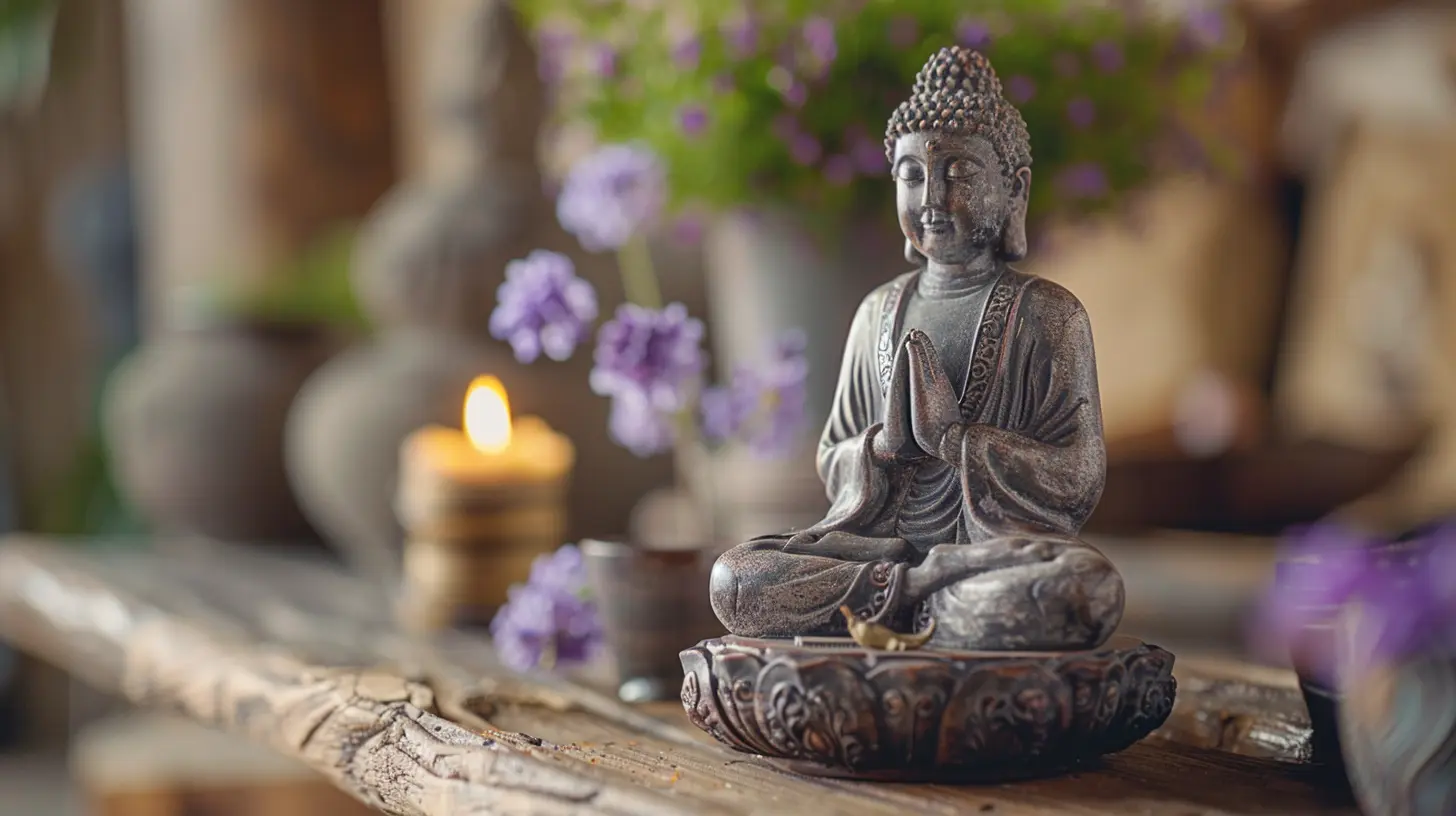
Step 2: Define Your Why
Ask yourself: Why do you want to start meditating?Maybe you’re feeling overwhelmed at work. Maybe your mind races at night. Maybe you're simply curious. Knowing your motivation will help you stick with the practice when the glow wears off.
Write it down or keep it in your mind. This “why” becomes your anchor.
Step 3: Choose Your Style
One size doesn't fit all. Meditation comes in many flavors, and trying a few styles can help you figure out what resonates.1. Mindfulness Meditation
This is the most popular style and it's all about staying present. You focus on your breath, sensations, or surroundings without judgment.Best for: People who want less stress and more self-awareness.
2. Guided Meditation
Here, someone (or an app) walks you through the process. Great for beginners or those who struggle with focus.Best for: People who love structure or hate silence.
3. Movement Meditation
Think walking, yoga, or even mindful dishwashing. It’s about being present while you move.Best for: Restless folks or those who can’t sit still.
4. Loving-Kindness Meditation
This one focuses on sending goodwill to yourself and others. It’s like a warm mental hug.Best for: Boosting compassion and emotional well-being.
Mix and match. Try one for a week and see how it feels.
Step 4: Pick Your Time of Day
Are you a morning bird or a night owl? There's no universal “best” time to meditate—only what works for you.Morning Meditation
Sets the tone for the day. Great if you want to start calm and grounded.Tip: Meditate right after brushing your teeth or before coffee. Make it part of that ritual.
Midday Meditation
Perfect for a reset. Use it as a mental lunch break, especially if your nerves are getting fried.Tip: Even 5-10 minutes can recharge you better than scrolling Instagram.
Evening Meditation
Helps you unwind and sleep better. It’s like clearing your mental inbox before bed.Tip: Try a guided sleep meditation to ease into rest mode.
Step 5: Start Small (Like, Really Small)
Think you need 20 minutes a day to start? Nope. Start with just 2 minutes.Yes, 2 minutes.
Why? Because you’re training your mind—and like any muscle, it builds with time. Setting the bar low removes the pressure and builds consistency.
As that gets easier, bump it up to 5, 10, or more. But only at your pace.
Step 6: Lock In Your Trigger Habit
Want to build a habit that sticks? Pair meditation with something you already do daily.This is called a "trigger habit." It's basically a built-in reminder.
Here are some ideas:
- After brushing your teeth
- Before your first cup of coffee
- After your lunch break
- Right before bed
By tying meditation to an existing habit, it becomes second nature.
Step 7: Create Your Meditation Spot
You don’t need a zen garden or a Himalayan salt lamp (unless you want one). Just pick a spot where you won’t be disturbed.It could be:
- A chair in your living room
- The corner of your bedroom
- Even your parked car during lunch break
Having a consistent space signals your brain: “Hey, it’s meditation time.”
Bonus points if it’s tidy and calming.
Step 8: Use Tech… But Wisely
Let’s be honest, our phones are distractions—but they can also help.There are amazing meditation apps out there that guide you and help track your progress. Some top picks:
- Headspace
- Calm
- Insight Timer
- Ten Percent Happier
- Balance
Just be cautious. Try not to check your email or messages right after meditating—it kind of defeats the purpose.
Step 9: Be OK With “Bad” Sessions
Some days your mind will wander non-stop. You’ll itch, fidget, or think about your grocery list the entire time.Guess what? That’s still meditation. You showed up. That’s the win.
Don’t judge your practice. The magic isn’t in having a “perfect” session—it’s in showing up consistently.
Step 10: Track Your Progress (And Celebrate It!)
You’re more likely to stick with habits when you see progress. Even better when you reward yourself.Use a habit tracker, journal, or just a tally on your calendar. Some apps even show you streaks and milestones.
Each time you hit a goal—like 7 days straight? Celebrate. Treat yourself to something small (like your favorite snack or a new playlist).
Bonus Tips: Making Meditation Work Anywhere
Let’s say your schedule is bananas (because whose isn’t?). Here are some creative ways to sneak in meditation no matter what:- In the shower: Focus on the sensations of water. Instant mindfulness practice.
- During your commute: Try a guided meditation with headphones (just don’t close your eyes if you’re driving, obviously).
- At your desk: Do a 1-minute breathing break between meetings.
- While cooking: Chop veggies with full awareness. Seriously—it works.
Meditation doesn’t have to look a certain way. Micro-moments of mindfulness can be just as powerful.
When You’ll Start Noticing Changes
Most people begin to notice small shifts after about two weeks of consistent practice. You might:- React less emotionally to stress
- Sleep deeper
- Feel more present in daily tasks
- Experience a subtle sense of ease
Over time, meditation builds inner resilience—a sort of mental armor that helps you move through life with more calm and clarity.
Common Mistakes to Avoid
Even with the best intentions, it’s easy to fall off the wagon. Here are mistakes to steer clear of:- Trying to do too much, too soon – Start small and build slowly.
- Skipping too many days in a row – Avoid breaking the streak if possible. Even one minute counts.
- Judging your thoughts – The goal isn't to stop thoughts; it's to notice them without getting carried away.
- Comparing your practice to others – This is your journey. Own it.
Final Thoughts: Make It Yours
Meditation isn't about becoming a different person. It’s about becoming more of who you already are—underneath the stress, noise, and distractions.You don’t need to crush it. You just need to show up. Even if you’re doing it while sitting in your car, earbuds in, two minutes before a meeting—it still counts.
So breathe in. Breathe out. And start small. The quiet change you’ll feel can ripple into every corner of your life.
Remember, the goal isn’t to control your thoughts. It’s to stop letting them control you. Ready to make meditation part of your daily groove? You’ve got this.
all images in this post were generated using AI tools
Category:
MeditationAuthor:

Holly Ellison
Discussion
rate this article
2 comments
Thalwen Nelson
This article provides practical tips for integrating meditation into daily life. Finding a routine that suits your lifestyle can enhance mindfulness and overall well-being.
March 30, 2026 at 2:30 AM
Holly Ellison
Thank you! I'm glad you found the tips helpful for enhancing mindfulness in daily life.
Faith Vasquez
Embrace peace, transform life!
March 12, 2026 at 4:23 AM
Holly Ellison
Thank you! Embracing peace through meditation can truly transform our lives.