Cold Remedies: What Works and What Doesn’t
25 April 2026
Ah, the common cold—our unwelcome seasonal visitor. It sneaks up on us when we least expect it, leaving us sneezing, coughing, and feeling downright miserable. With so many supposed "cures" floating around, how do you know what actually helps and what’s just an old wives' tale? Let’s break it down and separate fact from fiction. 
What Actually Works?
1. Rest and Sleep
Ever heard the phrase "sleep is the best medicine"? Well, there's a lot of truth to it. When you're sick, your body is working overtime to fight off infection. Getting plenty of rest allows your immune system to do its job more effectively. Skimping on sleep? That’s like sending a tired army into battle—not a great idea.2. Stay Hydrated
Water, herbal teas, and broths are your best friends when you're battling a cold. Staying hydrated helps thin mucus, making it easier to clear congestion. Bonus points if you sip on warm fluids—they can soothe a scratchy throat and help you feel more comfortable.What to drink?
- Warm lemon water with honey
- Herbal teas (like ginger or chamomile)
- Bone broth or chicken soup
- Coconut water (for extra electrolytes)
3. Chicken Soup: More Than Just Comfort Food
Turns out, grandma was onto something. Chicken soup isn't just a warm, comforting meal—it actually has anti-inflammatory properties that may help reduce cold symptoms. Plus, the steam from the broth can help open up nasal passages. So yes, go ahead and slurp away!4. Honey for a Sore Throat
Honey isn't just a natural sweetener—it’s also a great remedy for soothing sore throats and coughs. Studies suggest that it can be just as effective as some over-the-counter cough medicines. Try adding a spoonful to warm tea or mixing it with lemon juice for a natural throat soother.5. Saltwater Gargles
If a sore throat is making swallowing feel like torture, try gargling with warm salt water. This simple remedy helps reduce inflammation, clears out mucus, and may even kill some of the bacteria lingering in your throat.How to do it:
- Mix ½ teaspoon of salt into a glass of warm water.
- Gargle for about 30 seconds, then spit it out.
- Repeat a few times a day as needed.
6. Steam for Congestion
Feeling stuffed up? Try inhaling steam to loosen mucus and open up nasal passages. A hot shower works wonders, or you can go the old-fashioned route—fill a bowl with hot water, drape a towel over your head, and breathe deeply. Adding a few drops of eucalyptus oil can make it even more effective.7. Vitamin C: Helpful, But Not a Miracle Cure
Vitamin C is often touted as a cold-preventer, but the truth is, it won’t do much once you’re already sick. However, studies suggest that taking Vitamin C regularly may help shorten the duration of a cold. It won’t make your cold disappear overnight, but it could help you get back on your feet a little sooner.Good sources of Vitamin C:
- Oranges
- Kiwi
- Strawberries
- Bell peppers
8. Zinc Supplements: Worth a Shot?
Zinc has been studied for its potential to shorten colds, and some research suggests that taking zinc lozenges within 24 hours of symptom onset can help. But be careful—too much zinc can cause nausea and even interfere with your sense of taste. Stick to the recommended doses if you give this remedy a try.9. Nasal Saline Spray or Irrigation
Using a saline spray or a neti pot can help rinse out your nasal passages, reducing congestion and helping you breathe easier. Just be sure to use sterile, distilled, or previously boiled water—tap water can introduce bacteria into your sinuses, which is the last thing you need when you're already feeling crummy.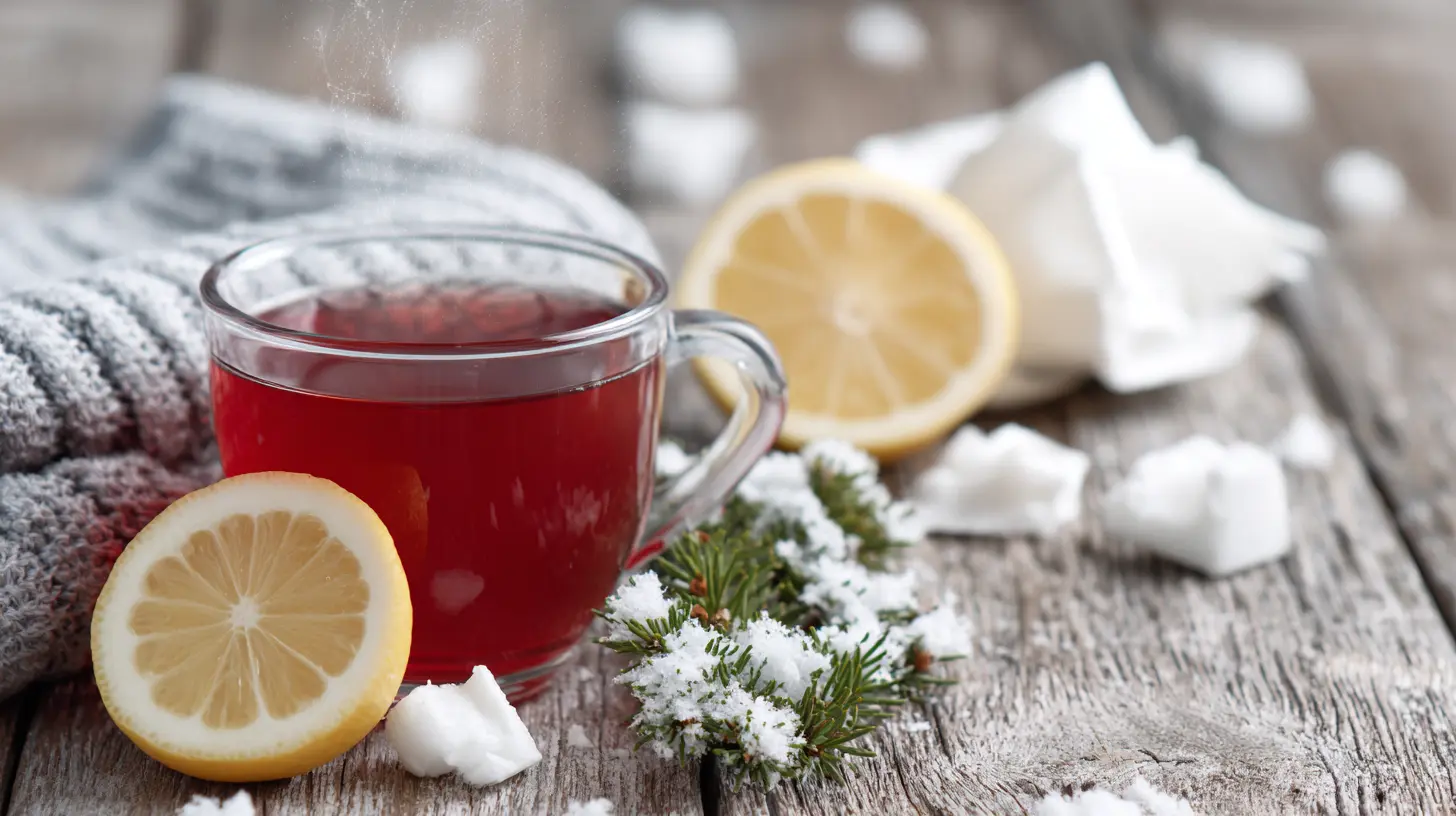
What Doesn't Really Help?
1. Antibiotics (Unless You Have a Secondary Infection)
Colds are caused by viruses, and antibiotics only work against bacteria. Taking antibiotics for a viral infection won’t help—it can actually harm you by contributing to antibiotic resistance. However, if your cold turns into a bacterial infection (like sinusitis or bronchitis), then antibiotics might be necessary. Always check with your doctor.2. Over-the-Counter Cough Medicines
Surprisingly, many OTC cough syrups don’t do much to relieve symptoms. Some studies suggest they’re no better than a placebo. If you’re looking for relief, a simple honey and lemon mixture might be just as effective (and much cheaper).3. Airborne and Similar Supplements
You’ve probably seen those fizzy tablets claiming to "boost your immune system" and "prevent colds." While they do contain vitamins that are good for immunity, there’s little evidence they actually prevent or treat colds. If you enjoy them, great! But don’t expect miracles.4. Echinacea
Echinacea has been hyped as a natural cold remedy for years, but research is mixed. Some studies suggest it might help shorten colds if taken at the very beginning, while others say it has no effect at all. If you like taking it, there's no harm—just don't rely on it as a cure-all.5. Extreme Vitamin D Supplementation
While Vitamin D is essential for immune support, megadosing it once you're already sick won’t magically cure your cold. Maintaining healthy Vitamin D levels year-round is a good idea, but taking extra when you're sick may not make much of a difference.6. Alcohol (Hot Toddies Don't Heal!)
A hot toddy might make you feel warm and cozy, but alcohol can dehydrate you, which is the opposite of what your body needs when fighting off a cold. If anything, that whiskey might make you feel temporarily better, but it won’t speed up your recovery.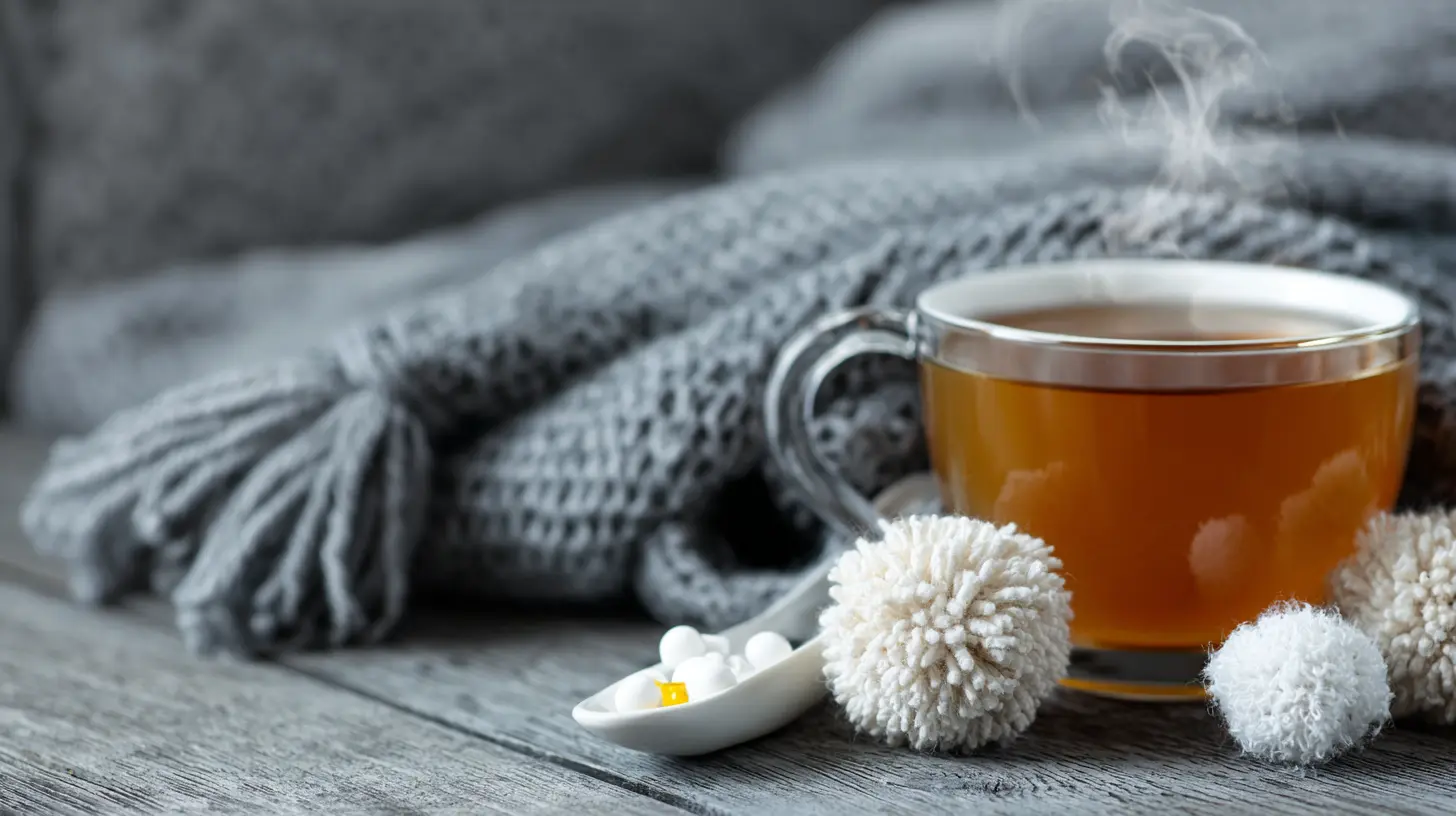
Prevention Is Always Better Than a Cure
Of course, the best way to deal with a cold is to avoid getting sick in the first place! Here are some good habits to keep your immune system strong:- Wash your hands frequently (especially after being in public places)
- Avoid touching your face (your hands carry germs straight to your nose and mouth)
- Eat a balanced diet rich in vitamins and minerals
- Get enough sleep to keep your immune system in top shape
- Stay active—exercise helps strengthen your immune system 
The Bottom Line
When it comes to treating a cold, there’s no magic cure. However, a combination of rest, hydration, and a few time-tested remedies can help you feel better faster. Skip the myths, stick to what actually works, and give your body the support it needs to recover. And remember—sometimes, the best thing you can do is simply let your body heal and ride it out.Stay cozy, stay hydrated, and here’s to hoping your next cold is short and sweet!
all images in this post were generated using AI tools
Category:
Cold And FluAuthor:

Holly Ellison
Discussion
rate this article
2 comments
Galina Vance
Great insights on effective remedies!
May 6, 2026 at 3:34 PM
Holly Ellison
Thank you! I'm glad you found the insights helpful.
Antonia Bowers
While many remedies claim effectiveness, scientific evidence often contradicts popular misconceptions. Choose wisely!
April 29, 2026 at 4:28 AM
Holly Ellison
Thanks for highlighting that. It's crucial to rely on scientific evidence when choosing cold remedies.