Chakra Meditation: Aligning Your Inner Energy
22 January 2026
Ever feel like something’s off, even though everything looks fine on the outside? Like you're powering through your day, but some invisible weight is holding you back? Well, that feeling might stem from misaligned energy centers in your body, also known as chakras.
That’s where chakra meditation comes in—a powerful tool to help you tune in to your body’s inner energy, balance your mind, and rejuvenate your spirit. Whether you're brand new to the idea or already dabble in spiritual practices, chakra meditation might just be the missing piece to feeling truly aligned.
Grab a cup of tea, quiet your mind, and let’s dive into how chakra meditation can help you realign your inner world.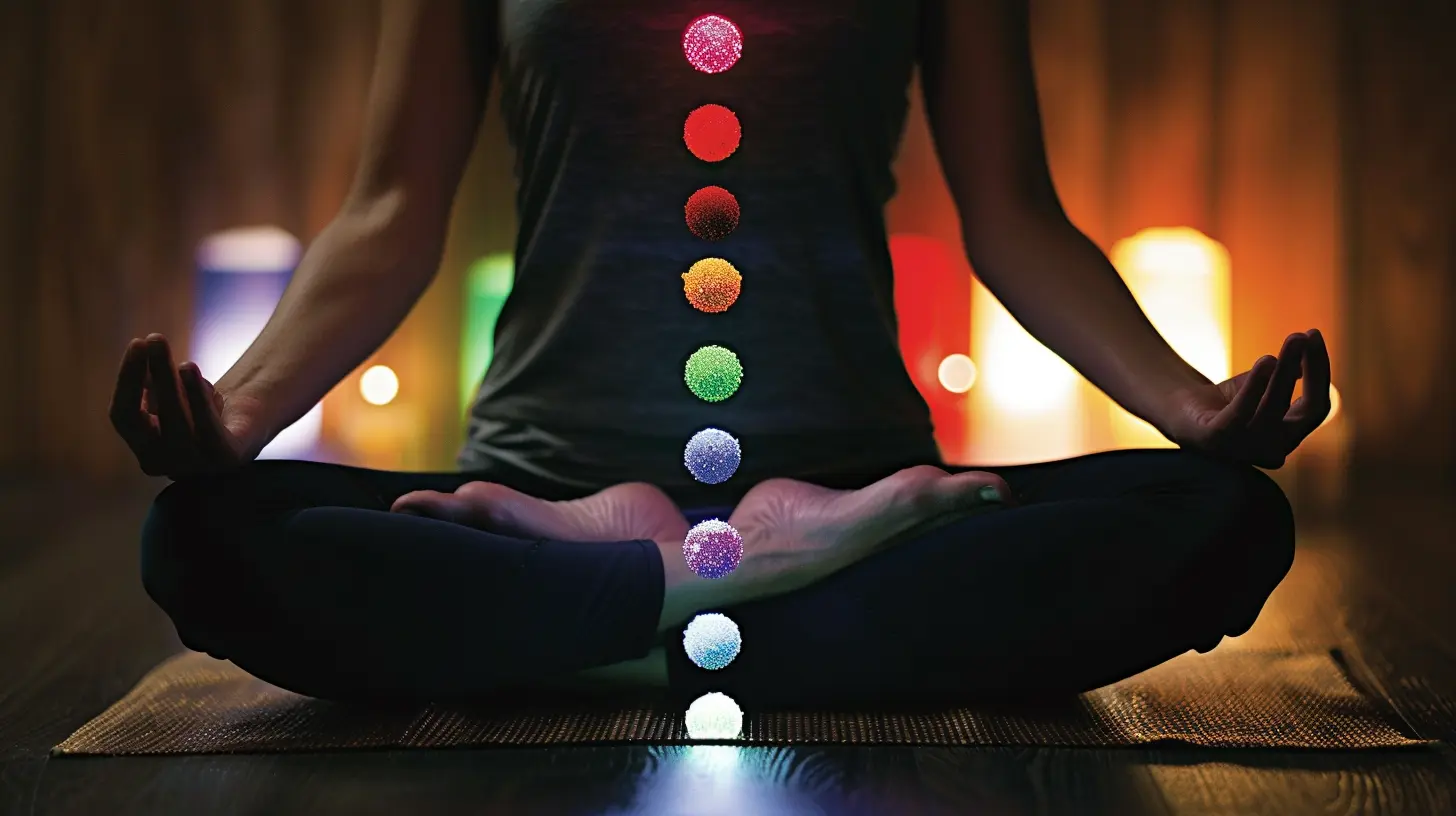
🌈 What Are Chakras Anyway?
Let’s break it down. Chakras are like spinning wheels of energy located in different parts of your body. They come from ancient Indian traditions and are believed to influence everything from your physical health to emotional well-being.There are seven main chakras, and each one sits along your spine, from the base to the crown of your head. Think of them as energy points, like power outlets for your soul. If one gets blocked or spins out of synch, it can mess with your balance—mentally, emotionally, and even physically.
Here’s a quick rundown:
1. Root Chakra (Muladhara) – Base of spine – Survival, stability, grounding
2. Sacral Chakra (Svadhisthana) – Lower abdomen – Creativity, sexuality, emotion
3. Solar Plexus Chakra (Manipura) – Upper abdomen – Confidence, power, self-esteem
4. Heart Chakra (Anahata) – Center of chest – Love, compassion, connection
5. Throat Chakra (Vishuddha) – Throat – Communication, truth, expression
6. Third Eye Chakra (Ajna) – Forehead/between eyes – Intuition, insight
7. Crown Chakra (Sahasrara) – Top of head – Spiritual connection, consciousness
Each chakra is associated with a specific color, element, and function. When all seven are open and in harmony, you feel aligned and at peace.
🧘 Chakra Meditation: What’s the Big Deal?
Imagine driving a car with one flat tire and no steering fluid. You might get somewhere, but it’s gonna be a bumpy ride. That’s what it’s like navigating life with unbalanced chakras—your energy’s out of whack, and you’re not at your best.Chakra meditation works like an internal tune-up. It uses visualization, breathwork, and sometimes sound (like chanting or binaural beats) to unblock and realign your energy centers.
And the best part? You don’t need to be a yogi or spiritual guru to do it. All it takes is a few mindful minutes a day and a willingness to go inward.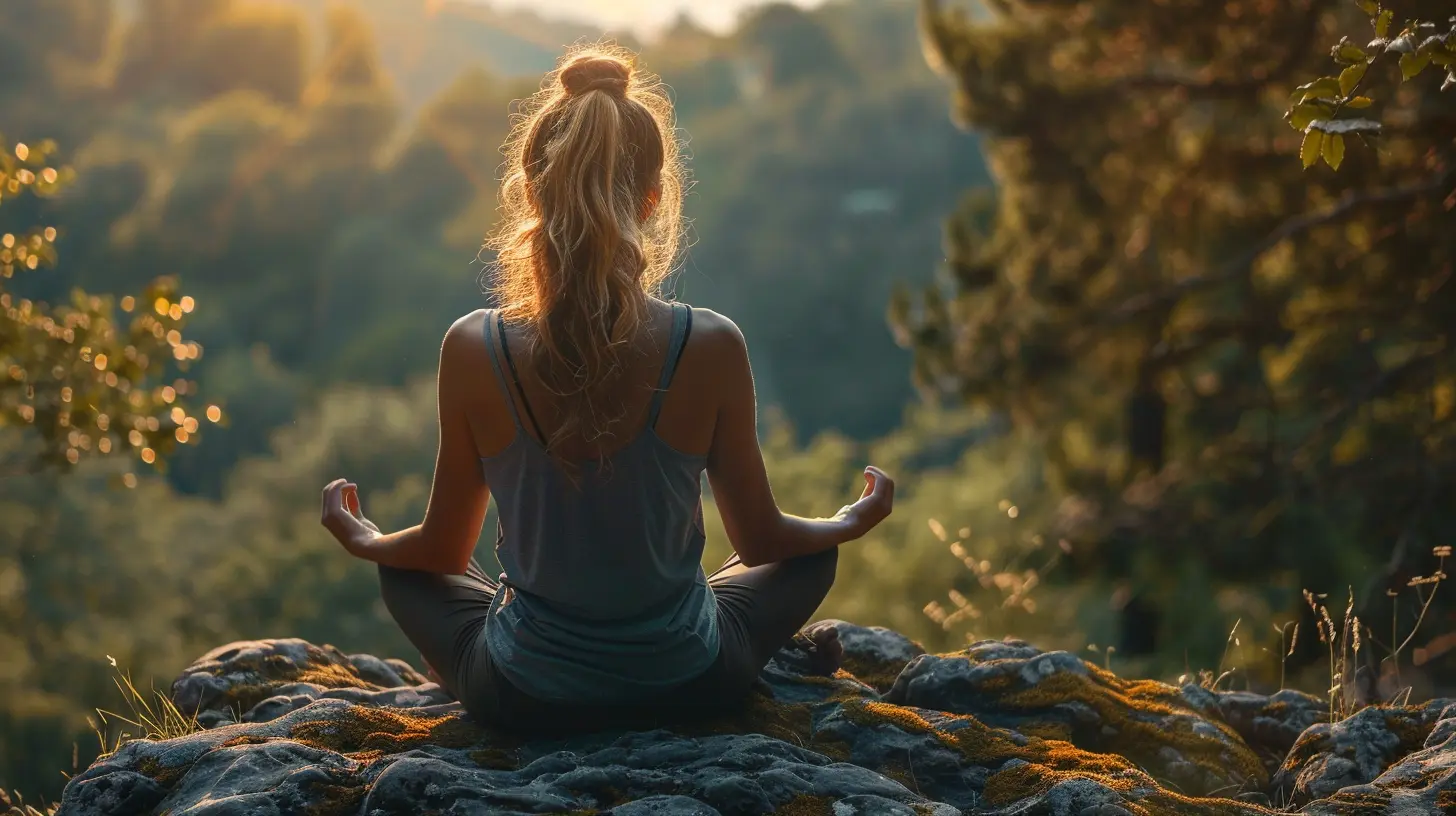
🌟 Benefits of Chakra Meditation
Okay, so what kind of magic are we talking about here?1. Emotional Clarity
When your energy flows freely, you’re better able to identify, process, and release emotions. Ever cried during a meditation? That’s emotional energy releasing—it's weirdly cathartic.2. Improved Focus and Mental Sharpness
A balanced third eye chakra, for example, enhances intuition and clear thinking. Suddenly, that foggy-headed feeling disappears, and making decisions feels easier.3. Physical Wellness
Each chakra is connected to specific organs. Blockages can manifest as physical discomfort (think headaches, indigestion, back pain). Chakra meditation can support traditional medical care by bringing awareness and balance to these areas.4. Deeper Relationships
When your heart chakra is open, love and compassion flow naturally. You’re kinder, more empathetic, and more connected in your relationships.5. Stress Reduction
Meditation in general is a known stress-buster, but chakra meditation takes it up a notch by focusing on the emotional causes of stress, not just the symptoms.
🔮 How To Practice Chakra Meditation (Even If You’re Totally New)
You don't need expensive gear or an Instagram-worthy yoga corner. Here’s a step-by-step guide to get you going:Step 1: Set the Scene
Find a quiet, comfortable space. Light a candle, burn some incense, or play soft music if that helps you relax. Do whatever makes you feel calm and centered.Step 2: Sit or Lie Down
Sit in a cross-legged position or lie flat on your back. Keep your spine straight but relaxed.Step 3: Close Your Eyes and Breathe
Take a few deep breaths. Inhale through your nose for four counts, hold for four, exhale for four. Repeat. Feel your body start to unwind.Step 4: Focus on Each Chakra, One by One
Start at the root and work your way up. Visualize each chakra as a spinning wheel of light in its respective color:- Red (Root)
- Orange (Sacral)
- Yellow (Solar Plexus)
- Green (Heart)
- Blue (Throat)
- Indigo (Third Eye)
- Violet or White (Crown)
As you focus on each one, imagine the wheel spinning smoothly and brightly. If it feels stuck or dim, breathe into it and visualize it opening up.
You can also silently repeat a mantra associated with each chakra (e.g., "LAM" for Root, "VAM" for Sacral, and so on).
Step 5: End with Integration
Once you’ve gone through all seven chakras, sit in silence for a few minutes. Notice how your body feels. Maybe journal a few impressions or emotions that came up.🧠 Tips to Maximize Your Practice
- Consistency is key. A short daily session beats a 2-hour meditation once a month.- Start small. Don’t pressure yourself to be perfect. Even 5 minutes a day makes a difference.
- Use guided meditations. Apps like Insight Timer or YouTube have tons of free options.
- Listen to your intuition. If a particular chakra feels "louder" one day, give it more attention.
- Combine with crystals, essential oils, or yoga. These tools can enhance your experience but aren’t required.
⚖️ What Happens When a Chakra Is Blocked?
Blockages happen. Life throws us curveballs, and we stuff emotions deep down where they fester. When energy stagnates in a chakra, it affects your mind, mood, and body.Let’s say your solar plexus chakra is blocked. You might feel powerless, have low self-esteem, or struggle with digestive issues. Or if your throat chakra is affected, you might have a hard time speaking your truth—or feel like nobody hears you.
The good news? Chakra meditation can shine a light on these blockages and give your energy the nudge it needs to move again.
🌀 Real Talk: What Does It Feel Like During Chakra Meditation?
Alright, this part is super personal and might vary based on your own vibe. Some people feel tingling in certain body parts, others experience waves of emotion. Some don’t feel much at all at first—and that’s totally okay.It’s not about forcing anything. It’s about creating space to check in with yourself. The more you do it, the more in tune you’ll get.
🌍 Chakra Healing Meets Modern Life
You don’t have to live in an ashram or attend weekend retreats to benefit from chakra meditation. In fact, the busier your life, the more you probably need it.Imagine starting your day with 10 minutes of focused energy alignment instead of scrolling your phone—it could change how you show up in the world. And over time, you might notice subtle (or not-so-subtle) shifts: more patience, less stress, deeper sleep, heightened creativity.
The modern world is noisy. Chakra meditation helps you quiet the chaos and reconnect with what really matters: your inner peace.
🧭 Final Thoughts: Align, Don’t Overthink
If you’ve read this far, something inside you wants more harmony, more clarity, more you. Chakra meditation isn’t a magic fix, but it is a doorway to deeper self-awareness. It invites you to slow down, tune in, and realign.So why not give it a shot?
You might just rediscover a version of yourself that’s been waiting to shine.
all images in this post were generated using AI tools
Category:
MeditationAuthor:

Holly Ellison
Discussion
rate this article
2 comments
Blake Curry
Beautiful insights on inner harmony, thank you!
February 23, 2026 at 4:26 AM
Holly Ellison
Thank you for your kind words! I'm glad you found the insights valuable.
Dylan Riley
Chakra meditation offers a unique approach to wellness by focusing on the body's energy centers. While many practitioners report benefits such as reduced stress and increased mindfulness, it's essential to combine these practices with evidence-based health strategies for a holistic approach to well-being. Individual experiences may vary, so stay open-minded.
January 26, 2026 at 5:36 PM
Holly Ellison
Thank you for your insightful comment! I agree that combining chakra meditation with evidence-based practices can enhance overall well-being and that individual experiences are key to finding what works best.