Can Weightlifting Improve Bone Density and Joint Health?
28 May 2026
Let’s face it—weightlifting often gets a bad rap. When some folks hear “lifting weights,” they imagine bodybuilders grunting under massive barbells, veins popping, and sweat pouring. Others worry they’ll get too bulky or that it's too risky for their joints. But what if I told you that the benefits of lifting weights go far beyond building muscle or “getting jacked”? What if weightlifting could literally strengthen your bones and protect your joints as you age?
Sounds intriguing, right? Well, buckle up, because we’re about to dive deep into the science—and real-life practicality—of how weightlifting can not only improve bone density but also support long-term joint health. Whether you’re 25 or 65, this is the stuff your future self will thank you for.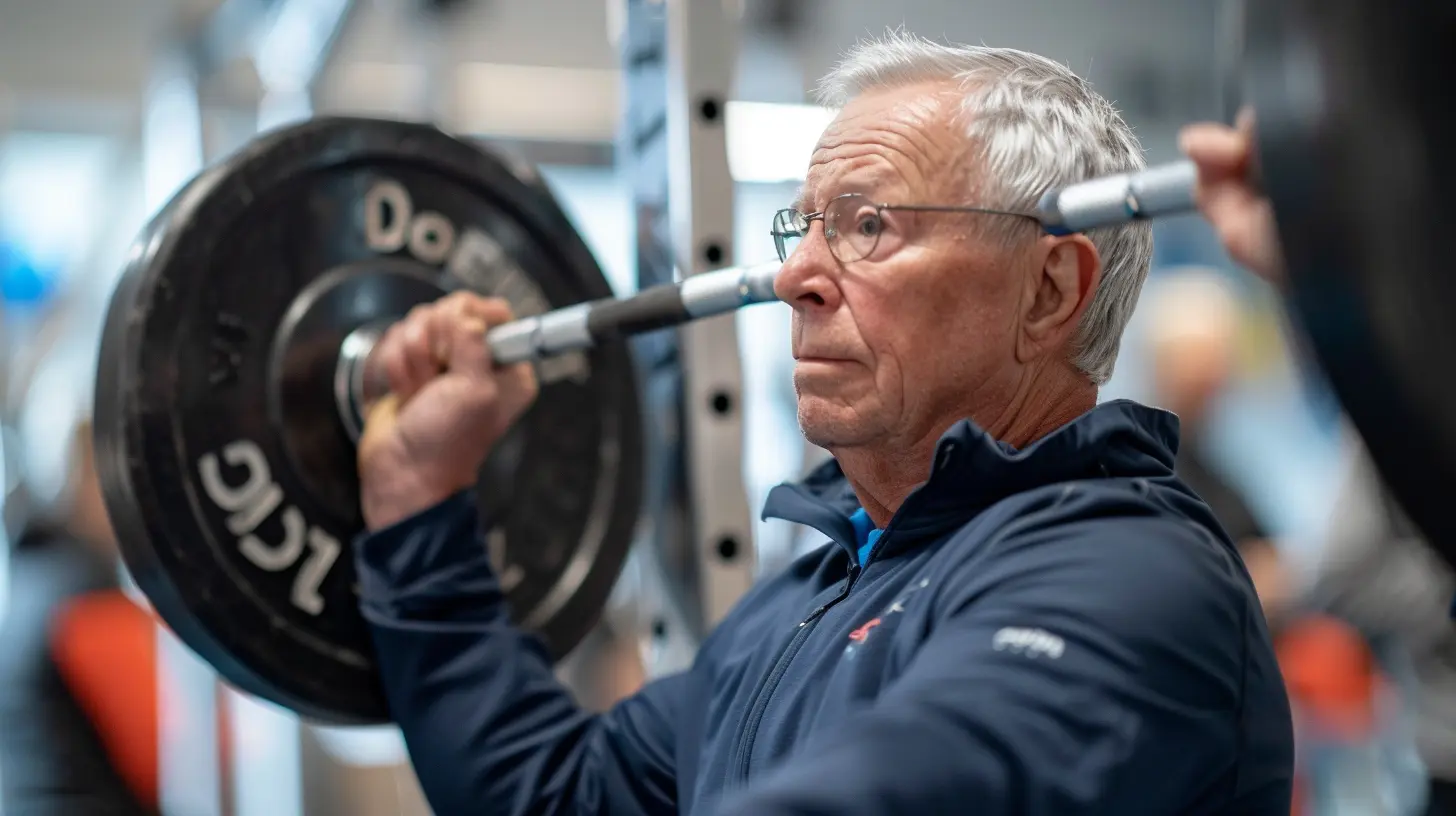
Why Bone Health Should Be On Your Radar
Let’s start with the bones. You might not think about them much—until something goes wrong. But here’s the reality: our bones are living tissue. Just like our muscles, they respond to stress. And if you're not regularly challenging your bones in healthy ways, they can weaken over time.After about age 30, we naturally start to lose bone mass. It's called age-related bone loss, and for women, it can speed up significantly after menopause. This increases the risk of osteoporosis—a condition where bones become brittle and fragile. One wrong slip on the ice, and...snap. Not fun.
So, can we do anything about it? Absolutely. And here’s where weightlifting struts heroically into the picture.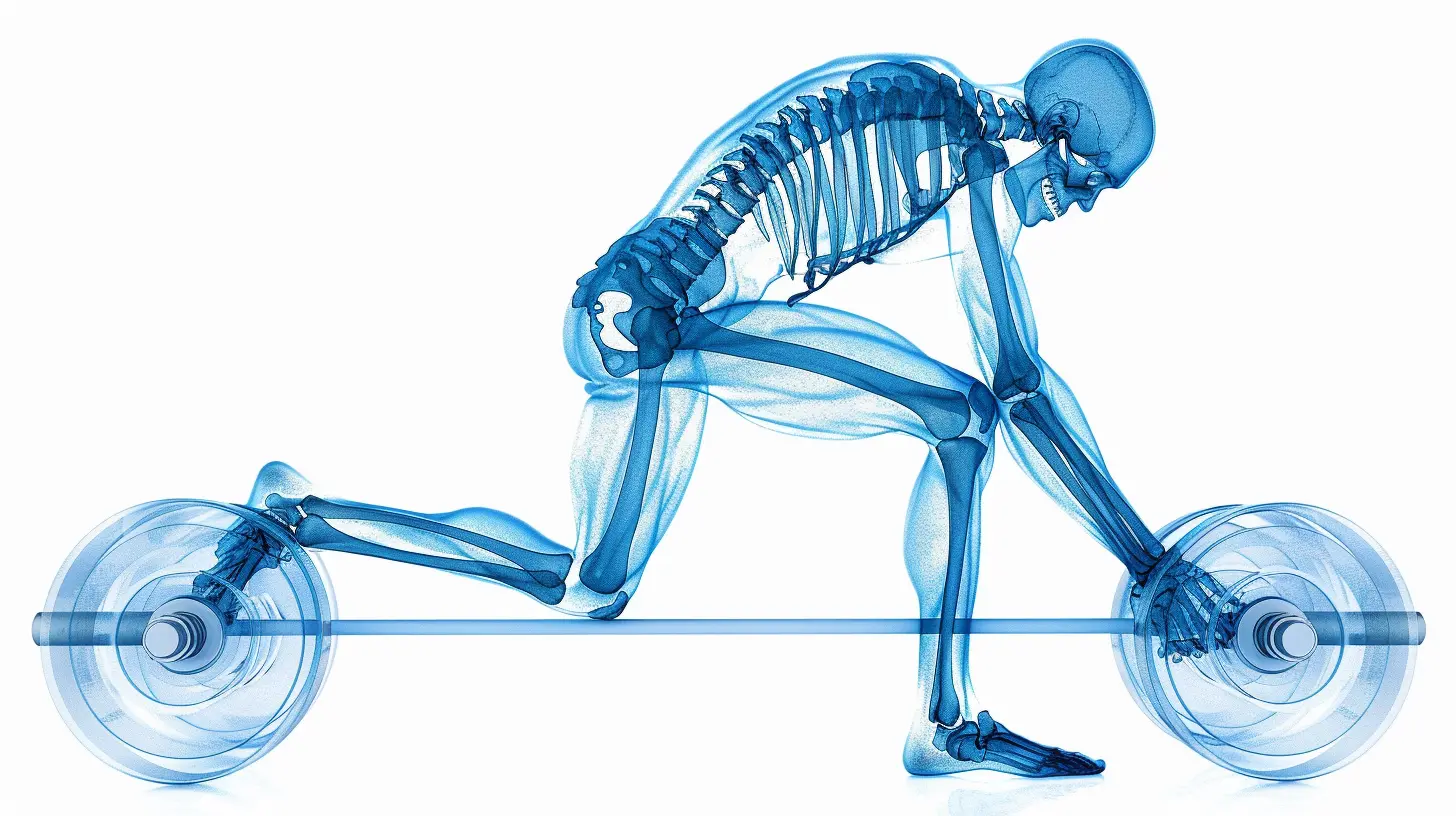
What Actually Happens to Bones When You Lift Weights?
This might surprise you, but bones are dynamic. They rebuild and remodel themselves constantly. And when you lift weights, you’re not just putting your muscles to work—you’re applying mechanical stress to your bones.That stress signals your body to start reinforcing your skeletal structure. How? By increasing bone mineral density (BMD). Think of it like adding support beams in a building. The more you put your bones to work, the stronger the structure becomes.
Weightlifting vs. Bone Loss: Who Wins?
Numerous studies have shown that resistance training can actually reverse bone loss in some people. One study from the Journal of Bone and Mineral Research found that postmenopausal women who lifted weights improved their BMD significantly over a year. That's not just prevention—that’s reversal! Pretty awesome, right?Now, before you go throwing around dumbbells like a Marvel hero, let’s look at how to do it safely and effectively, especially if you’re new to the game.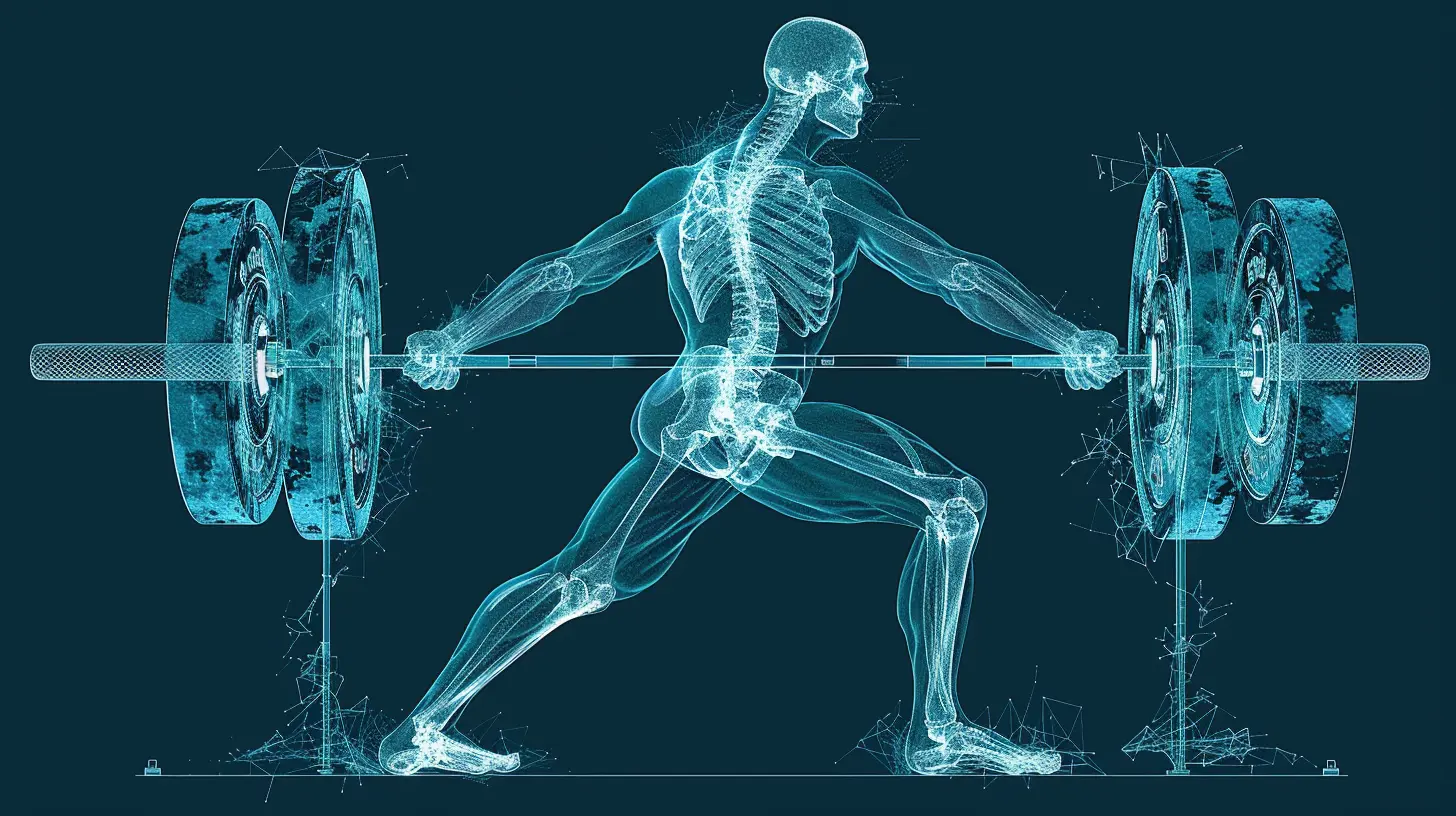
The Joint Health Connection
Okay, so we’ve established that bones love a good workout. What about your joints? You know, those hinge-like parts of your body that allow movement—knees, shoulders, hips, and so on.A common myth is that weightlifting is bad for your joints. We've all heard it: “Isn't lifting heavy going to ruin your knees?” But here’s the twist—when done properly, weightlifting can actually protect and strengthen joints.
Lifting Smarter, Not Just Heavier
First off, muscles and ligaments support our joints. The stronger they are, the more stable your joints become. Think of your knee joint as a bridge. If the surrounding support beams (your muscles) are weak, that bridge is wobbly. But build up the supports, and the whole structure becomes more reliable.Resistance training helps build those muscular “support beams.” Plus, it increases synovial fluid production—the body’s natural joint lubricant. More fluid = smoother motion = fewer aches and pains.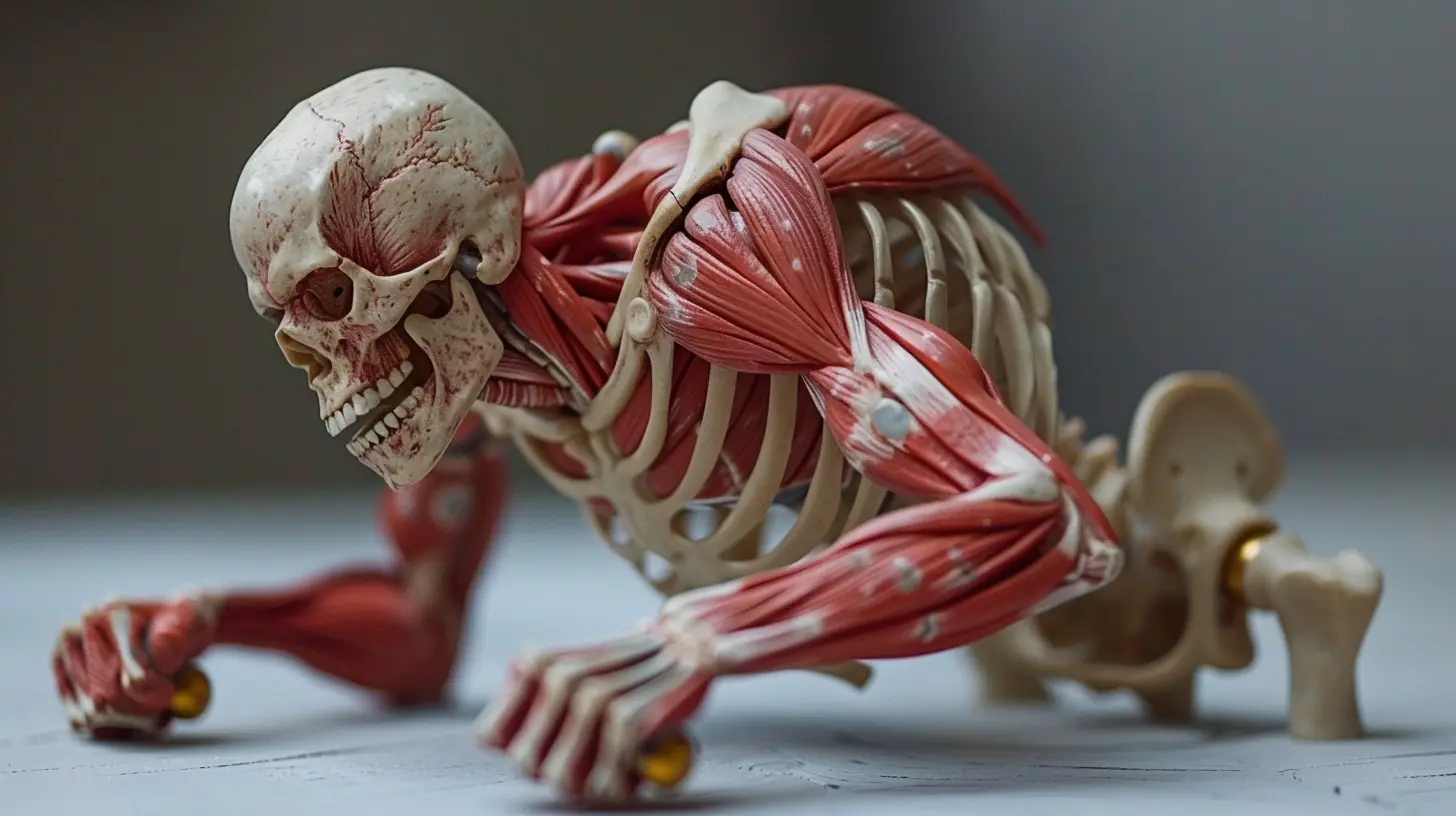
Best Weightlifting Practices for Bone and Joint Health
Let’s get practical. You’re convinced weightlifting is legit for your bones and joints, but how do you start? Here's a game plan that’s safe, effective, and friendly for all fitness levels.1. Start with Compound Movements
Think big. Compound exercises like squats, deadlifts, lunges, and bench presses work multiple muscles—and joints—at once. These movements provide the most bang for your buck in terms of stimulating both muscles and bones.What makes them magical for bones? The load. These exercises apply force through your skeleton, which triggers that bone-strengthening response we talked about earlier.
2. Prioritize Form Over Weight
This one’s huge. Lifting with poor form is a fast-track ticket to painville. Start with lighter weights to master the movement patterns. Maybe even work with a coach or trainer for feedback. Remember, it's not about ego—it’s about longevity.3. Go Progressive
Progressive Overload is the golden rule in strengthening both bones and muscles. It means gradually increasing the resistance over time—either by adding weight, reps, or tweaking the tempo. Your body needs a reason to adapt. Keep challenging yourself, but do it wisely.4. Frequency Matters
You don’t need to lift six days a week. In fact, 2-4 times per week is plenty, especially for joint-friendly longevity. Consistency beats intensity here.Weightlifting vs. Other Bone-Boosting Exercises
Weightlifting isn’t the only way to help your bones, but it’s arguably the most effective. Let’s compare it to some common alternatives:| Exercise Type | Benefit for Bone Density | Benefit for Joint Health |
|---------------------|--------------------------|---------------------------|
| Walking | Mild | Good (low impact) |
| Running | Moderate (but joint risk)| Mixed (impact issues) |
| Yoga | Mild | Good (flexibility + mobility) |
| Weightlifting | High | High (when done correctly) |
So, while yoga and walking are fantastic, they don’t provide the same load-bearing stimulus that bones need to grow stronger. Weightlifting, on the other hand, hits the sweet spot—especially when paired with mobility and flexibility training.
Who Should NOT Lift Weights?
Is weightlifting perfect for everyone? Not quite. If you have severe osteoporosis, recent fractures, or joint conditions like advanced arthritis, you’ll want to consult with a healthcare provider or a physical therapist before starting.That said, even many people with these conditions can still benefit from some form of resistance training—it's just about scaling things appropriately.
Real Talk: Your 80-Year-Old Self Will Thank You
Let’s have a heart-to-heart. If you’re young, bone health can feel irrelevant. You rarely think about your skeleton unless you’re watching Halloween movies or dealing with a random injury. But here’s the kicker: what you do in your 20s, 30s, and 40s directly affects how you’ll move, feel, and live in your 70s, 80s, and beyond.Imagine being able to hike with your grandkids, keep up on family trips, or dance at a wedding without fear of a fracture or aching joints. That kind of long-term freedom begins with what you do today.
Common Myths…Busted ?
Let’s clear up a few lingering myths:? Myth #1: “Weightlifting is only for bodybuilders.”
Nope. It's for anyone who wants to age well, stay mobile, and feel strong.? Myth #2: “You can’t grow bone after a certain age.”
Wrong again. Studies show that even people in their 70s and 80s can increase bone density with resistance training.? Myth #3: “Weightlifting will ruin your knees and back.”
Only if you do it wrong. When performed with good form, it actually strengthens the muscles that stabilize your knees and spine.Supplements and Nutrition: The Sidekicks to Weightlifting
Want to maximize your bone-health gains? Don’t overlook your diet.- Calcium: Crucial for bone-building. Aim for 1000-1200 mg/day.
- Vitamin D: Helps your body absorb calcium. Get tested; supplement if needed.
- Protein: Essential for muscle repair and joint support.
- Omega-3s: Anti-inflammatory properties can benefit joints.
- Collagen: Emerging research suggests it might help joint and bone health, especially when paired with resistance training.
Final Thoughts: Lift for Life
So, can weightlifting improve bone density and joint health? Without a doubt, yes.It’s not just about how much you can lift or how defined your muscles look. It’s about building a better foundation—one that supports you as you age, helps you avoid injuries, and keeps you moving with strength and purpose.
Weightlifting is one of the most powerful longevity tools at your disposal. The sooner you start, the better. But even if you’re late to the party, your bones and joints will still welcome you with open arms (and newfound strength).
So grab that dumbbell, keep your form tight, and remember—you’re not just lifting weights. You’re lifting your future.
all images in this post were generated using AI tools
Category:
Weight TrainingAuthor:

Holly Ellison
Discussion
rate this article
1 comments
Jack McVey
Weightlifting might hold secrets beyond just muscle gain. Picture stronger bones and resilient joints, but what lies beneath the surface? Could the clinking of weights be the key to unlocking a hidden potential for longevity? Dive in and discover the unexpected connections.
June 3, 2026 at 3:29 AM
Holly Ellison
You're right; weightlifting can offer more than just muscle gain. Stronger bones and healthier joints are significant benefits, with potential links to longevity. It's fascinating to explore these connections and what they mean for overall health.