Can Weight Lifting Improve Your Posture?
21 August 2026
If you've ever caught a glimpse of yourself slouching in the mirror or felt the nagging ache of poor posture after a long day, you're not alone. Our modern lifestyles—filled with desk jobs, endless phone scrolling, and hours hunched over screens—have made bad posture a widespread issue. But what if pumping some iron could be the secret to standing tall and looking more confident?
Weight lifting isn't just about building muscle or showing off in the gym—it can actually help correct posture issues and strengthen the muscles that keep your spine aligned. Let’s dive into how lifting weights can be a game-changer for your posture and overall health.
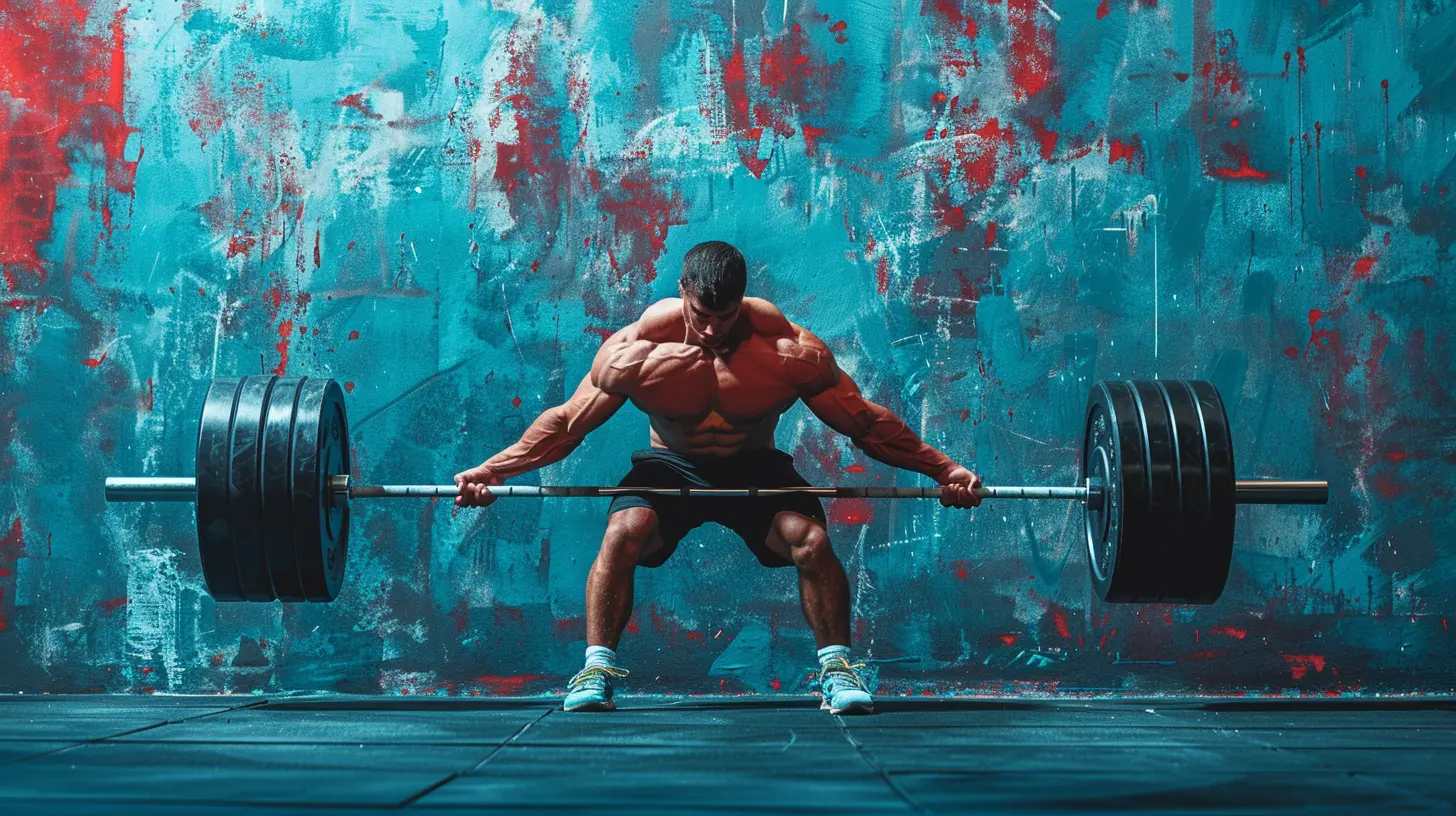
Why Does Posture Matter?
Posture is more than just standing up straight; it's the foundation of your body's movement and stability. Good posture keeps your muscles balanced and reduces wear and tear on joints. When done right, it can:- Prevent chronic pain, especially in the neck and lower back
- Improve breathing by allowing full lung expansion
- Boost confidence (you naturally look taller and more assertive)
- Reduce the risk of injuries, especially in sports and workouts
But bad posture? That can lead to tight muscles, joint pain, and even long-term spinal issues. And that’s where weight lifting comes in.

How Weight Lifting Can Improve Your Posture
When your core, back, and shoulders are weak, maintaining good posture feels like a battle. Strength training helps by reinforcing the muscles that keep your spine in line. Here’s how:1. Strengthens Postural Muscles
Think of your body like a house. Your spine is the structure, and your muscles are the support beams. If those beams are weak or unbalanced, the house (your posture) collapses. Weight lifting targets key postural muscles, including:- Core Muscles – A strong core acts like a built-in brace for your spine.
- Upper Back & Shoulders – These muscles pull your shoulders back, preventing that hunched-over look.
- Glutes & Legs – Your lower body plays a bigger role in posture than you might think—weak glutes can lead to a tilted pelvis and poor spinal alignment.
2. Corrects Muscle Imbalances
Most posture problems stem from muscle imbalances. If you spend hours sitting, your hip flexors tighten, your back weakens, and your shoulders start to roll forward. Weight training helps by strengthening underused muscles and stretching overused ones, promoting better alignment.3. Trains Your Body to Stay Aligned
Lifting weights isn’t just about brute strength—it’s also about learning control. Exercises that involve posture-friendly movements train your body to maintain proper alignment naturally. Over time, good posture becomes second nature.
Best Weight Lifting Exercises for Better Posture
Not all exercises are created equal when it comes to posture correction. Here’s a list of weight-lifting movements that directly target posture-related muscles:1. Deadlifts
If there’s one exercise that screams "posture powerhouse," it’s the deadlift. This move strengthens your entire posterior chain, from your glutes to your upper back. A strong posterior chain translates into a naturally upright posture.? Tip: Focus on keeping your back straight and shoulders packed down when lifting.
2. Rows (Seated, Bent-Over, or TRX Rows)
Rows strengthen your upper back, pulling your shoulders back and fixing that dreaded forward slump. When done consistently, they can help counteract the effects of hunching over a desk.? Tip: Avoid using momentum—slow and controlled reps will engage the right muscles.
3. Face Pulls
This underrated gem specifically targets the rear delts and upper back, crucial for maintaining a strong, upright position. If you struggle with rounded shoulders, face pulls should be a staple in your workout.? Tip: Use a rope attachment on a cable machine and pull towards your face, squeezing your shoulder blades together.
4. Planks & Core Work
A solid core is essential for keeping your spine stable. Planks, hanging leg raises, and dead bugs reinforce the deep muscles that hold your posture together.? Tip: Engage your core like you're bracing for a punch—this ensures proper activation.
5. Overhead Press
Strong shoulders contribute to better upper-body posture. The overhead press encourages a stable core and helps keep your spine stacked rather than slouched.? Tip: Keep your ribs down and avoid arching your lower back while pressing.
6. Hip Thrusts & Glute Bridges
Glutes act like the foundation of a house—weak glutes can lead to an unstable posture. Strengthening them can prevent excessive pelvic tilt, which affects your entire spinal alignment.? Tip: Drive through your heels and squeeze your glutes at the top for maximum activation.
Common Mistakes to Avoid
Just because weight lifting can improve posture doesn’t mean it automatically will. Here are some mistakes to watch out for:❌ Lifting Too Heavy Too Soon
Form matters more than the weight you lift. Start with manageable weights and prioritize proper technique.❌ Ignoring Mobility & Flexibility
Tight muscles (like hip flexors and pecs) can still pull your posture out of alignment. Incorporate stretching and mobility work alongside strength training.❌ Neglecting Core Engagement
Your core is the glue holding everything together. If you’re lifting without engaging it, you’re not getting the full postural benefits.How Long Until You See Results?
Like most things in fitness, improving posture through weight lifting takes consistency. Some people feel a difference within a few weeks, while others take months to see a noticeable change. The key is sticking with it—regular strength training combined with posture awareness will help you stand taller in no time.
Final Thoughts
Weight lifting isn't just about getting stronger—it’s about moving better, feeling better, and looking better. By targeting the right muscles and focusing on proper form, strength training can be a powerful tool for correcting posture and preventing future problems.So, next time you're in the gym, don’t just chase big lifts—train with posture in mind. Your back (and future self) will thank you.
all images in this post were generated using AI tools
Category:
Weight TrainingAuthor:

Holly Ellison
Discussion
rate this article
1 comments
Ivory McLaurin
Imagine transforming not just your strength but your entire presence. Could the secret to standing tall lie in the weights you lift? Uncover the hidden connection.
August 30, 2026 at 3:09 PM