Bone Health in Children: Starting Them on the Right Path
13 March 2026
When we think about our kids’ health, we often focus on things like nutrition, exercise, and sleep. But what about their bones? Strong bones in childhood lay the foundation for a lifetime of good health. If we don’t start early, children can face issues like weak bones, fractures, or even osteoporosis later in life. So, how do we make sure our little ones build strong, healthy bones? Let’s dive in!
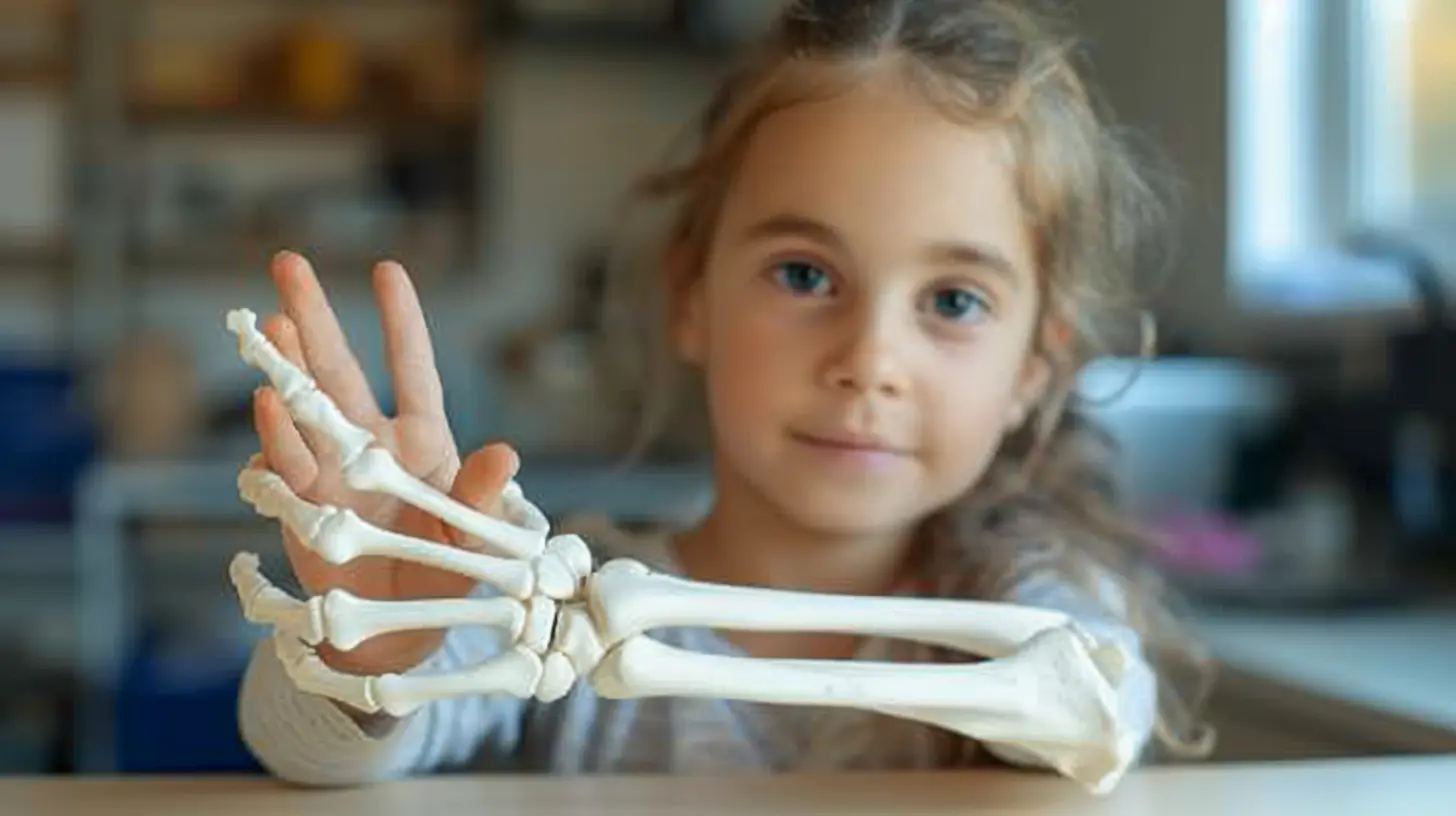
Why Bone Health Matters in Childhood
Bones do more than just hold us up. They store essential minerals, protect our organs, and help our bodies move. Childhood and adolescence are the prime times for bone growth—by the time kids reach their late teens, most of their bone mass is already built. If they don't get the right nutrients and exercise now, they might struggle with bone-related issues as they grow older.
Key Nutrients for Strong Bones
1. Calcium: The Building Block of Bones
Think of calcium as the foundation of a house. Without enough of it, bones can become weak and brittle. Children need calcium for proper bone development and to maintain their structure as they grow.So, where can they get it? Some of the best calcium-rich foods include:
- Dairy products (milk, cheese, yogurt)
- Leafy greens (spinach, kale)
- Almonds
- Tofu
- Fortified cereals and plant-based milk
If your child doesn't consume enough calcium-rich foods, a pediatrician may recommend supplements. But it's always best to get nutrients from food first!
2. Vitamin D: The Calcium Helper
Even if a child gets plenty of calcium, it won't do much good without vitamin D. This essential vitamin helps the body absorb calcium and use it effectively to build strong bones.Where does vitamin D come from?
- Sunlight: Just 10-30 minutes of sunshine a few times a week can be enough.
- Foods: Fatty fish (salmon, mackerel), egg yolks, and fortified foods (milk, orange juice).
- Supplements: If kids aren’t getting enough through sunlight or diet, a supplement might be necessary.
3. Magnesium and Phosphorus: The Unsung Heroes
Magnesium and phosphorus work together with calcium to keep bones strong. Good sources include seeds, nuts, whole grains, lean meats, and dairy.
The Role of Exercise in Bone Strength
Nutrition is just one piece of the puzzle—physical activity is just as crucial. Kids don’t need to lift heavy weights to build strong bones, but they do need to move their bodies!Best Exercises for Bone Health
- Weight-bearing activities: Running, jumping, dancing, or playing sports like soccer or basketball all help build bone density.- Strength training: Simple bodyweight exercises like push-ups, squats, or climbing on playground structures encourage strong bones.
- Balance and coordination activities: Activities like yoga or gymnastics help prevent falls and injuries.
The key is to keep them active and moving every day!
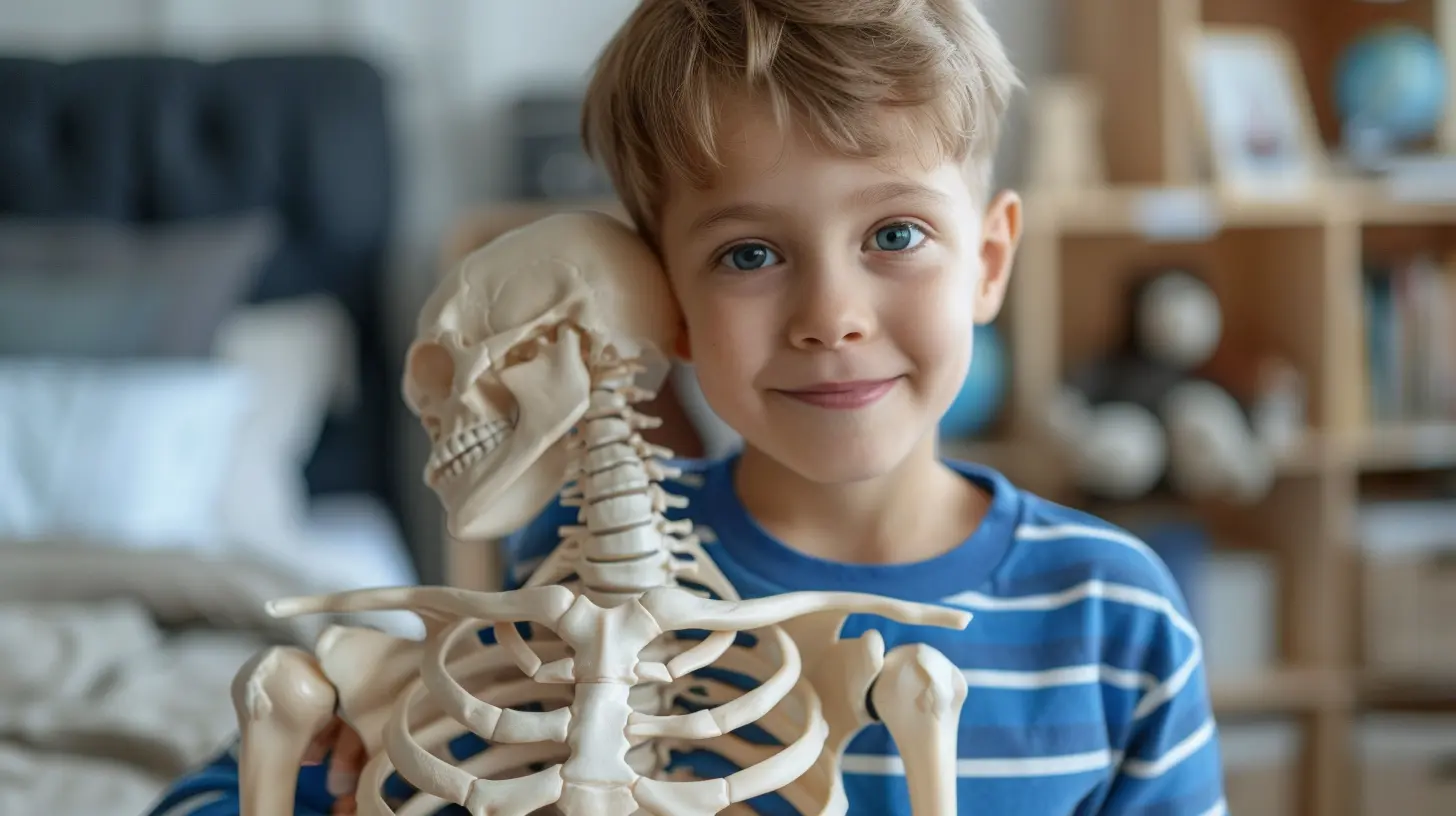
Avoiding Bone-Weakening Habits
Some lifestyle habits can actually weaken bones over time. Here’s what to watch out for:1. Too Many Sugary or Processed Foods
Junk food lacks the nutrients kids need for strong bones. Plus, excessive soft drinks can interfere with calcium absorption, leading to weaker bones down the line. Swap sugary snacks for healthy alternatives like nuts, yogurt, or fruit.2. Sedentary Lifestyle
Kids who spend too much time sitting—whether watching TV or playing video games—miss out on essential bone-strengthening benefits from physical activity. Encourage outdoor playtime, sports, or even fun family activities like biking or hiking.3. Low Calcium and Vitamin D Intake
Without enough calcium and vitamin D, bones can become weak at an early age. Keeping an eye on their diet and including vitamin D-rich foods or supplements can help.Bone Health Milestones: What Parents Should Know
Different age groups have different bone health needs. Here’s a quick breakdown:- Infants & Toddlers (0-3 years): Breast milk or formula provides essential calcium. As they start solids, introduce dairy, leafy greens, and fortified foods.
- Children (4-10 years): This is a crucial time for developing strong bones. Ensure they get a balanced diet rich in calcium, vitamin D, and exercise.
- Preteens & Teens (11-18 years): Bone mass peaks in these years. Encourage healthy eating, strength-training exercises, and sunlight exposure.
Encouraging Healthy Habits at Home
As parents, we set the foundation for our kids' lifelong habits. The good news? Bone health doesn’t have to be complicated!- Make meals fun: Add variety to their diet with colorful, nutrient-packed foods.
- Be active together: Go for a walk, play tag, or try a fun outdoor sport.
- Limit screen time: Encourage kids to move more and sit less.
- Ensure good posture: Sitting and standing properly can also contribute to stronger bones.
When to See a Doctor
If you have concerns about your child’s bone health—frequent fractures, slow growth, or signs of a deficiency—talk to a pediatrician. Simple tests can check calcium and vitamin D levels, ensuring they stay on track for strong bones.
Final Thoughts
Helping kids develop strong bones isn't difficult—it just takes the right mix of good nutrition, exercise, and healthy habits. By ensuring they get enough calcium, vitamin D, and physical activity, we’re setting them up for a future without fractures or bone issues. So, let’s start today—because strong bones build strong futures!all images in this post were generated using AI tools
Category:
Bone HealthAuthor:

Holly Ellison
Discussion
rate this article
2 comments
Rowan McNeely
Establishing strong bone health in childhood is crucial. A balanced diet, regular exercise, and sun exposure lay the foundation for life-long skeletal strength and vitality.
March 30, 2026 at 2:30 AM
Holly Ellison
Absolutely! A strong foundation in childhood through nutrition, physical activity, and sunlight is essential for lifelong bone health. Prioritizing these elements sets kids up for a vibrant future.
Shiloh Adkins
Strong bones: because 'bendy' isn’t a recommended superpower!
March 13, 2026 at 4:18 AM
Holly Ellison
Absolutely! Strong bones are essential for a healthy foundation as kids grow. Bendy bones just won't cut it!