Bone Health Basics for an Active Lifestyle
17 February 2026
When we think about staying fit and active, we usually jump straight to cardio, strength training, or maybe yoga. But underneath all those muscles and movements? Your bones are the real MVPs quietly holding everything together. They keep you upright, support your every move, and store vital nutrients. And yet, bone health often gets pushed to the back burner—until something goes wrong.
So, if you're someone who loves running, dancing, lifting, or even just walking the dog every morning, it's time we had a little heart-to-heart about your bones. Because believe me, keeping them strong is just as essential as hitting your daily step goal.
Let’s dive into the basics of bone health and how to keep your skeleton strong, supple, and ready for all your active adventures ahead.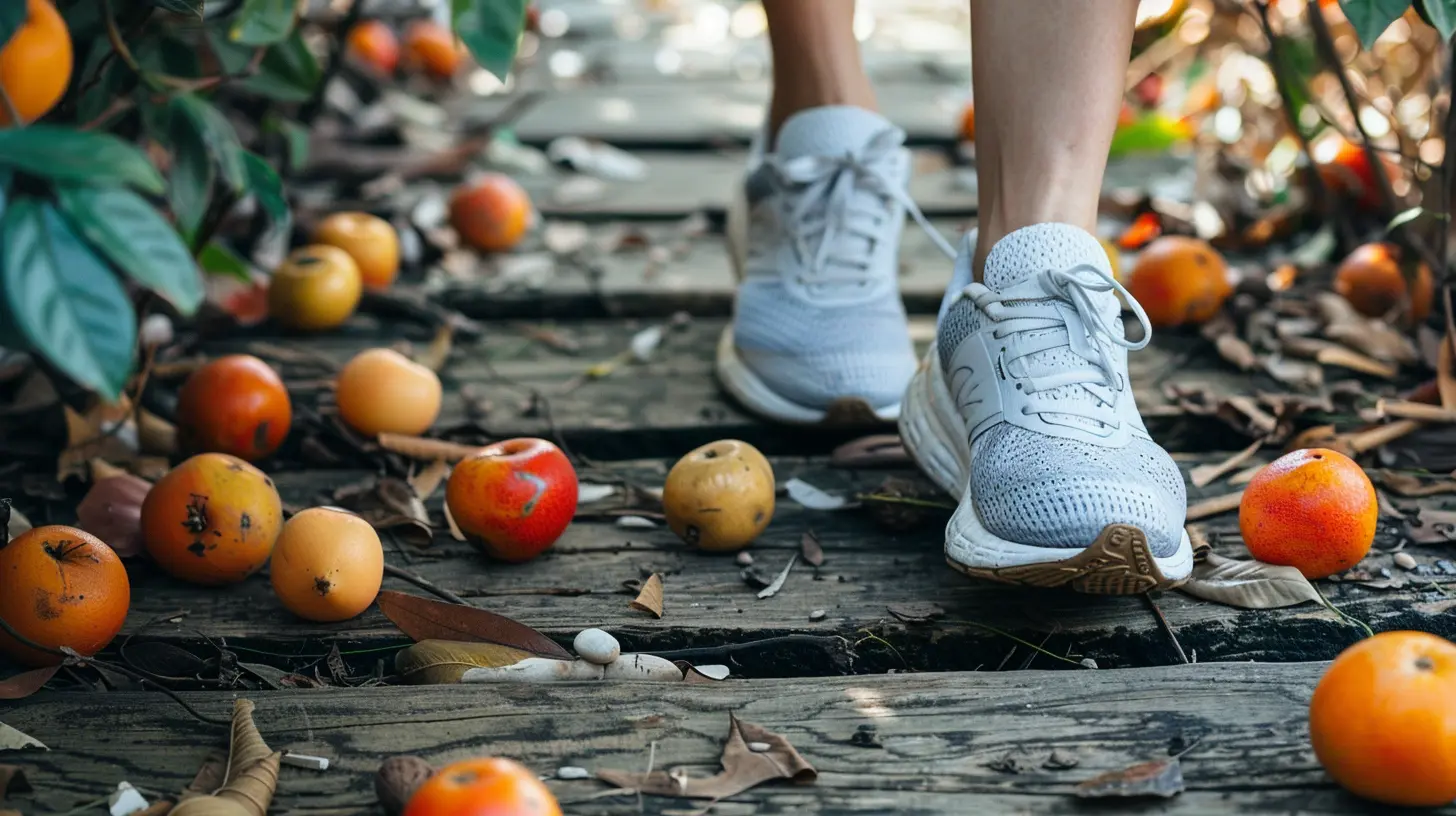
Why Bone Health Matters More Than You Think
Ever heard the saying, “You never miss the water till the well runs dry”? That’s kinda like your bones. They're there, doing their job in the background, until suddenly—boom—a fracture, joint pain, or osteoporosis diagnosis brings them front and center.Healthy bones:
- Support your posture and movement
- Protect organs like your brain and heart
- Store calcium and minerals
- Work with muscles to allow motion
And get this—by about age 30, you hit your peak bone mass. After that? It’s a slow decline unless you take steps to maintain it. That means what you do NOW has a big say in how well you move LATER.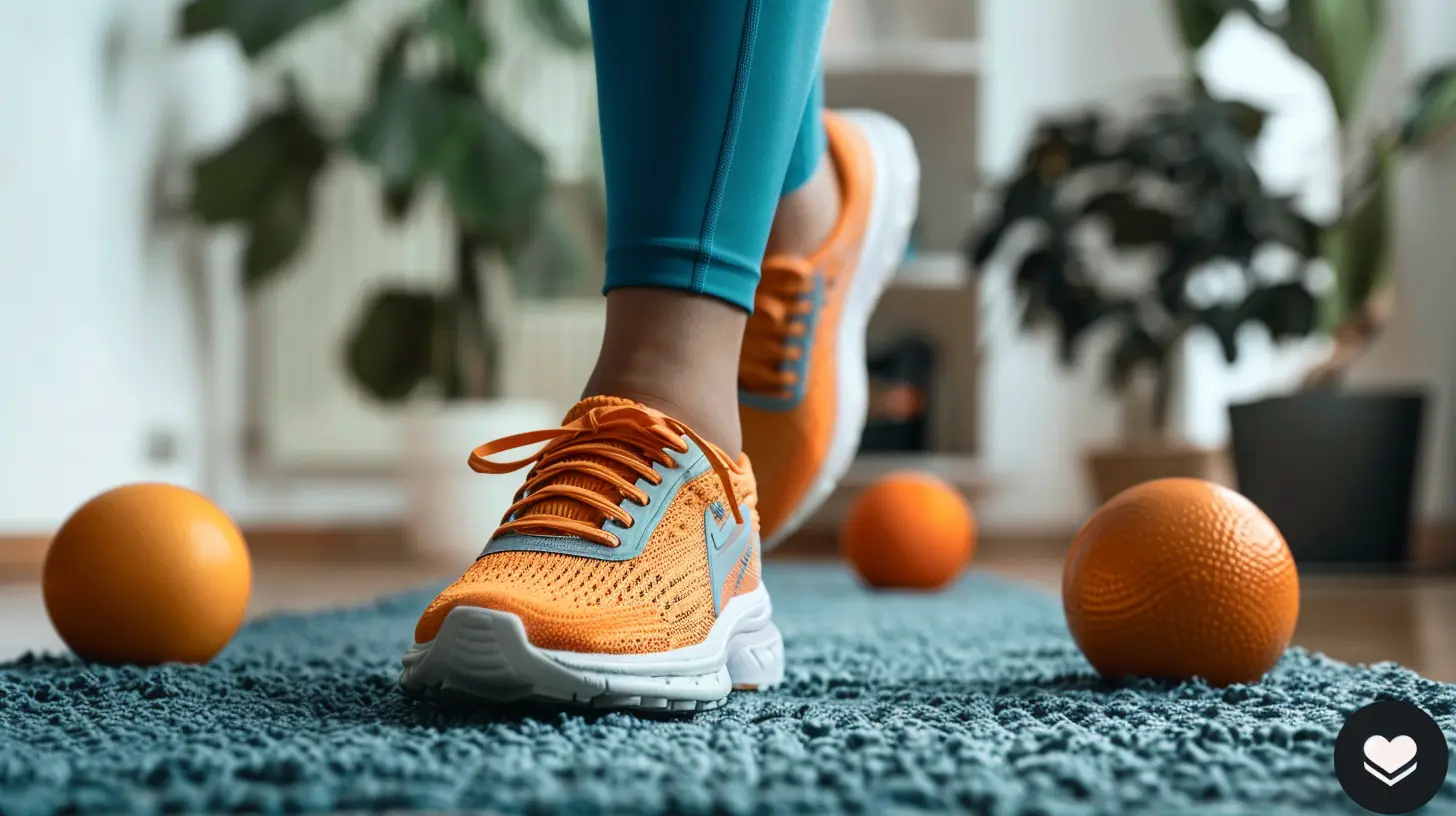
The Makeup of a Bone: More Than Just a Hard Shell
Think of a bone like a really high-tech building. On the outside, you've got a hard, dense layer called cortical bone—like bricks. Inside, there’s a spongy honeycomb structure known as trabecular bone—think insulation and shock absorbers.What makes it really fascinating is that your bones are alive. They're constantly breaking down old cells and replacing them with new ones in a process called remodeling. But this process slows with age... or poor nutrition, lack of activity, and yes, stress.
So, keeping bones strong isn’t about just getting enough calcium—though that’s a start. It’s about managing a lot of moving parts.
Signs Your Bones Might Be Struggling
Not all bone issues come with pain or symptoms early on. That's what makes conditions like osteoporosis so sneaky. But here are a few red flags that might pop up:- Frequent bone fractures or stress fractures
- Loss of height over time (yep, shrinking!)
- Poor posture or a hunchback appearance
- Joint pain or limited mobility
- Weak grip strength
If you’re experiencing any of these or you have a family history of bone disease, it’s worth chatting with your doc.
Building Better Bones: Key Nutrients You Need
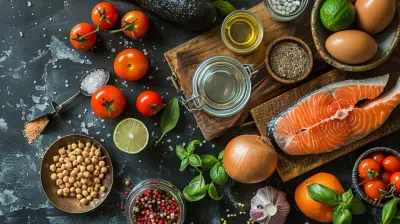
Alright, let’s talk fuel. Your bones need more than just milk to thrive. Here’s the nutrient dream team:🥛 Calcium
You knew this one was coming. Calcium is the primary building block of bones. Adults generally need about 1,000 mg a day (a bit more if you're over 50).Good sources?
- Dairy (milk, cheese, yogurt)
- Leafy greens
- Fortified plant-based milks
- Almonds
- Sardines (yep, tiny bones and all)
🌞 Vitamin D
Think of vitamin D as calcium’s best friend. It helps your body absorb all that good calcium you’re getting. Since we get most of it from sunlight, those in cloudy climates or who spend a lot of time indoors can easily fall short.Sources include:
- Sunlight (15–30 minutes a day on bare skin)
- Fatty fish like salmon and tuna
- Fortified foods
- Supplements (if recommended)
💪 Magnesium and Phosphorus
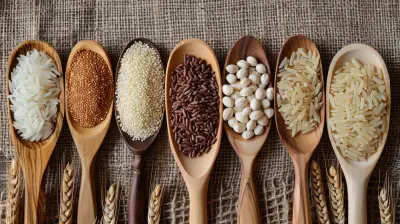
These minerals help with bone formation and structure. Without enough magnesium, even calcium starts to slack off. Whole grains, legumes, nuts, and seeds are all magnesium-rich.🧬 Protein
Bones aren’t just mineral sticks—they also need collagen, which comes from protein. You need a balanced amount, not too little or too much. Include lean meats, eggs, dairy, legumes, and nuts in your meals.Move It or Lose It: Exercise and Bone Strength
Here’s where your active lifestyle works in your favor. Physical activity—especially weight-bearing exercises—stimulates bone remodeling. Think of it like telling your bones, “Hey! We need you strong!” And they listen.Best Types of Exercise for Bone Health
1. Weight-bearing cardio: Think walking, hiking, jogging, dancing, or step aerobics.2. Resistance training: Lifting weights or using resistance bands builds muscle and strengthens bone.
3. Balance and flexibility: Yoga, tai chi, and Pilates improve coordination and reduce the risk of falls.
Basically, the more you challenge your bones, the stronger they get, much like muscles.
Lifestyle Habits That Help (or Hurt) Your Bone Health
Sometimes it's not what you do, but what you stop doing that makes the difference.🚬 Smoking
It speeds up bone loss. And it messes with calcium absorption. If you smoke, consider this another reason to quit.🍷 Excessive Drinking
Alcohol interferes with bone rebuilding. Keep it moderate—one drink per day for women, two for men max.😴 Sleep
Bone remodeling mostly happens during deep sleep. If your sleep is trash, your bones pay the price.📉 Sedentary Lifestyle
Sitting all day tells your body, “We don’t really need these bones.” And then? They get weaker. Even getting up every hour to stretch or walk around makes a difference.Bone Health and Hormones: What You Should Know
Hormones play a massive role in bone health. That’s why women, especially after menopause, are at higher risk for osteoporosis—estrogen helps bones stay strong, and its levels drop significantly after menopause.Guys aren’t off the hook though. Low testosterone can also affect bone mass.
If you're noticing unexpected weight gain, fatigue, or mood swings along with changes in your bones or joints, it might be time to have your hormones checked.
Supplements: Should You Take Them?
This one’s tricky. Supplements can definitely help, but they’re not a fix-all.If you can meet your nutritional needs through food and sunlight, go that route. Food-based nutrients are absorbed more efficiently and often come with bonus benefits like fiber and antioxidants.
However, if:
- You’re vegan or lactose intolerant
- You live in a low-sun area
- You have absorption issues (like with celiac or IBS)
…then supplements might make sense. But always check with your healthcare provider before starting anything new.
Special Considerations for Different Groups
👶 Kids and Teens
This is the prime time for building up bone mass. Lots of calcium, physical activity, and vitamin D are crucial during these years.🤰 Pregnant Women
Pregnancy increases calcium demand. If your intake is low, your body might pull calcium from your bones to support the baby. Prenatal care = essential.🧓 Older Adults
Postmenopausal women and men over 70 have to be extra mindful. Bone density scans (DEXA scans) can help monitor bone health and guide prevention strategies.A Simple Daily Bone-Healthy Routine
Want to keep it simple? Here’s a quick daily routine to help you build and maintain solid bones:- Morning: 10–15 minutes of sunlight, a glass of fortified plant milk or dairy, and a walk around the block.
- Midday: Include a leafy green salad or a serving of legumes for lunch.
- Afternoon: Resistance or weight-bearing exercise (as simple as bodyweight squats or a HIIT session).
- Evening: Wind down with a serving of salmon or tofu, and get at least 7–8 hours of quality sleep.
Simple? Yes. Effective? Absolutely.
Final Thoughts: Be Kind to Your Bones
Your bones are with you for life—literally. And just like any long-term relationship, the better care you give them now, the better they’ll treat you down the road.You don’t need to overhaul your entire life overnight. Just start small. Add a daily walk. Include calcium-rich snacks. Take 5 minutes to stretch every evening.
The goal? Keep moving, keep fueling, and keep supporting your skeletal sidekick for all the years and adventures to come.
So lace up those shoes, grab your water bottle, and give your bones the love they deserve.
all images in this post were generated using AI tools
Category:
Healthy AgingAuthor:

Holly Ellison
Discussion
rate this article
2 comments
Samuel McGhee
Strong bones empower movement; nourish them wisely.
March 14, 2026 at 3:42 AM
Holly Ellison
Thank you! Nourishing our bones is essential for maintaining strength and mobility throughout our active lives.
Zeno Jenkins
Great article! I appreciate the practical tips on maintaining bone health, especially for those of us leading active lifestyles. It’s essential to prioritize our bones for long-term wellness. Thank you!
February 18, 2026 at 4:40 PM
Holly Ellison
Thank you for your kind words! I'm glad you found the tips helpful for maintaining bone health. Prioritizing our bones is crucial for an active lifestyle!