Avoiding Bone Fractures: Simple Lifestyle Changes You Can Make
27 January 2026
Let’s talk bones—those trusty, supportive structures that keep us upright, moving, dancing, and occasionally tripping over our pets. Our bones might seem like strong, silent heroes of the body, but with age, poor habits, or a lack of attention, they can become a bit more fragile than we’d like. Fractures, sprains, and breaks? Ugh... nobody has time for that!
The good news? You can actually do a lot (and we mean a lot) to keep your bones strong and fracture-resistant. No need to become a gym rat overnight or live off kale smoothies—just some realistic lifestyle tweaks can make your skeleton sing with joy.
So, if you’re ready to build a fracture-free future (yes, that’s going on a T-shirt), let’s dive into simple, practical changes you can make to support your bone health without turning your life upside-down.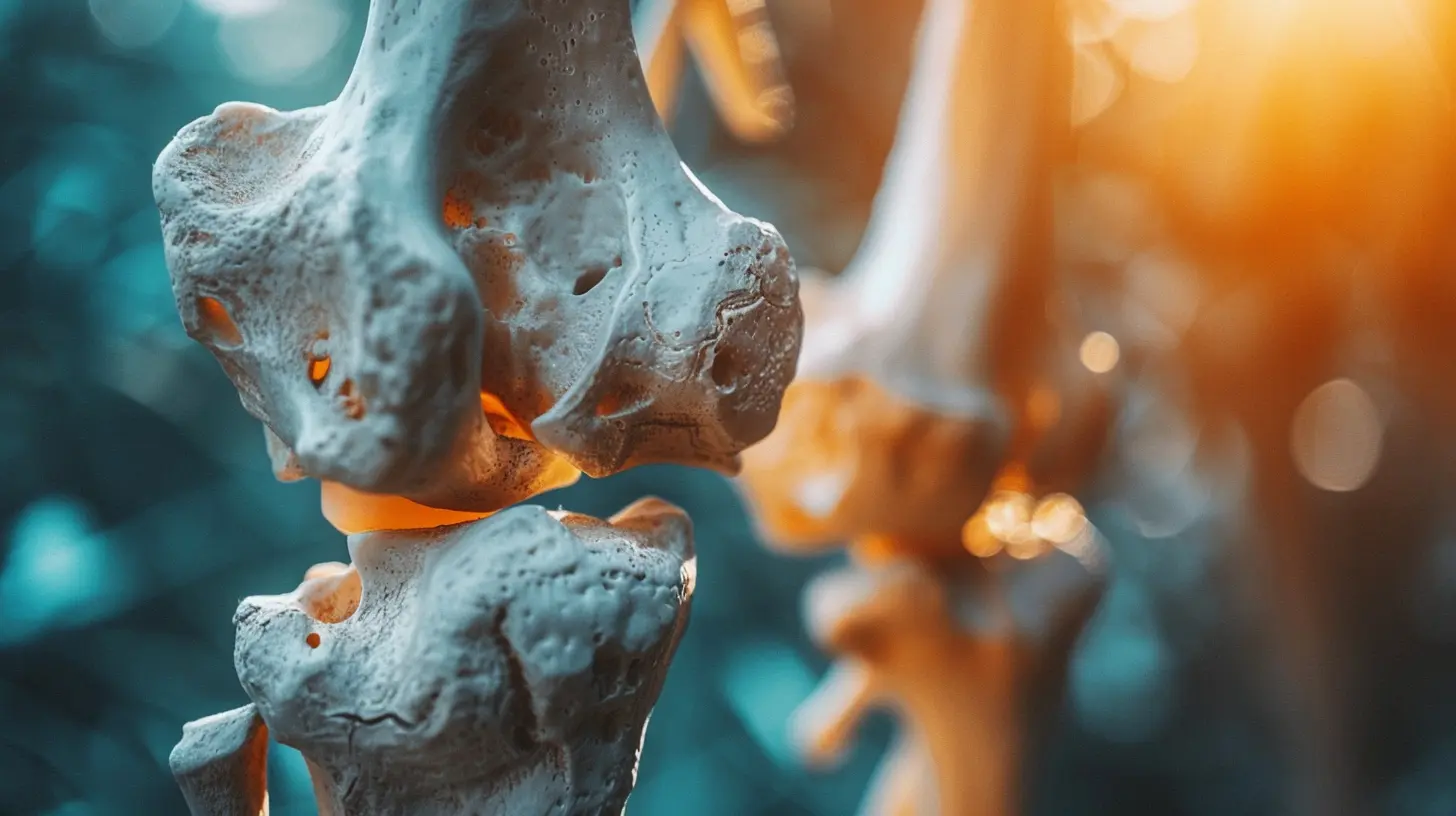
Why Bone Health Even Matters (Spoiler: It’s a Big Deal)
Before we get into the how-to’s, let’s answer the big “why.” Why should we care about bone health?Here’s the deal: Your bones are alive. They’re constantly being broken down and rebuilt. But as we age—especially after the big 3-0—our bones lose density faster than they can rebuild it. This can lead to osteoporosis, a condition that makes bones brittle and more likely to break from something as simple as a sneeze or stepping off a curb wrong.
And it’s not just older folks who are at risk. Poor nutrition, inactivity, smoking, and even stress can impact bone health at any age. The best part? You have control over many of these factors.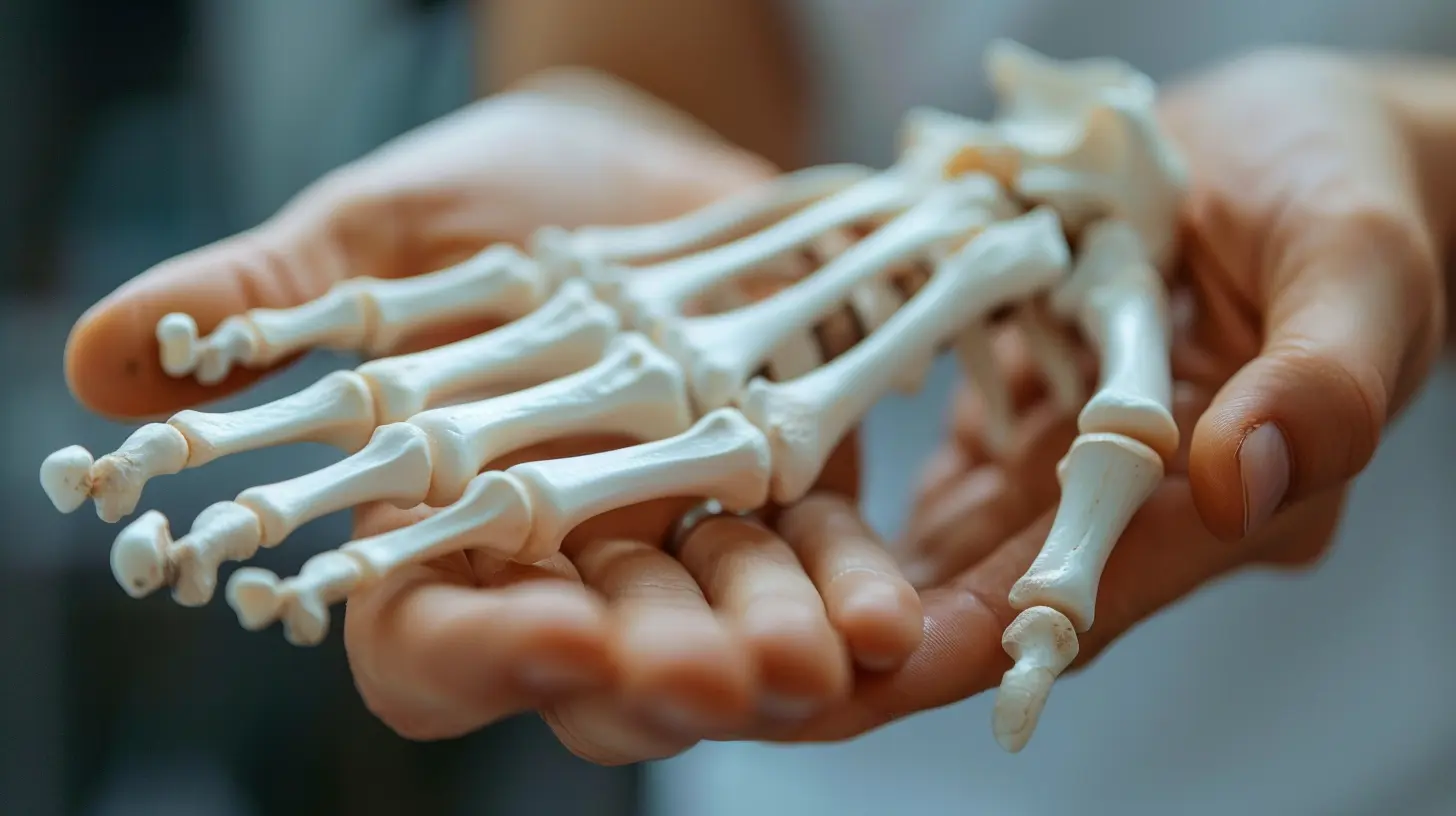
Step One: Eat Like Your Bones Depend on It (Because They Do)
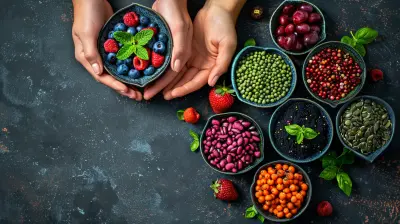
Your bone health starts in the kitchen. Here’s what to pile on your plate and what to politely pass on.✅ Load Up On Calcium
Calcium is like the cement in your bone building. Without it, your body will literally "borrow" calcium from your bones for other functions—leaving them hollow and brittle.Calcium-rich foods to eat:
- Dairy (milk, cheese, yogurt)
- Leafy greens (like kale and spinach)
- Tofu (check the label—it’s often enriched with calcium)
- Almonds
- Sardines (don’t knock 'em till you try ‘em)
✅ Don’t Forget Vitamin D
Calcium’s best buddy is Vitamin D. Without it, your body can’t absorb calcium properly. And yes, walking in the sunshine helps, but sometimes we need more.Sources of Vitamin D:
- Sunshine (15 minutes a day is plenty!)
- Fatty fish (salmon, tuna)
- Egg yolks
- Fortified foods (like milk, cereal, orange juice)
🚫 Cut Back On Bone Thieves
Some foods and drinks just aren’t helpful to your bony buddies.Watch your intake of:
- Soda (especially colas—they contain phosphoric acid)
- Excessive caffeine
- Excessive alcohol
- Super salty foods
Moderation is key. A latte? Fine. A triple espresso with soda chasers daily? Maybe not so much.
Step Two: Move That Body (Your Bones Will Thank You)
Exercise doesn’t just work your muscles—it actually stimulates your bones to grow stronger. Like weightlifting for your skeleton.🏋️♂️ Weight-Bearing Exercises
These are your MVPs for bone strength. Anything that makes you work against gravity while staying upright counts.Try these:
- Brisk walking
- Jogging
- Dancing
- Hiking
- Stair climbing
- Even gardening!
🧘♂️ Balance and Flexibility Workouts
Keeping your bones strong is great, but keeping yourself from falling in the first place? Even better.Great for improving balance:
- Yoga
- Tai chi
- Pilates
- Stability ball exercises
A few minutes a day can reduce your fall risk—and your chance of fractures—big time.
Step Three: Kick Bad Habits to the Curb (Yes, We’re Looking At You, Cigarettes)
Look, no judgment, but smoking and bones just don’t get along. Smoking reduces blood supply to bones, slows the production of bone-forming cells, and decreases calcium absorption. Basically, everything you don’t want.If you need help quitting, talk to your doc or look into programs that make it a little easier. Your bones (and lungs, heart, skin, teeth… you get it) will be forever grateful.
Step Four: Keep an Eye on Medications
Certain medications can mess with your bones. Yep, even ones meant to help you in other ways.Common culprits:
- Steroids like prednisone
- Anti-seizure meds
- Some antidepressants
- Proton pump inhibitors (for acid reflux)
If you’re on long-term medication, it’s worth chatting with your doctor about how it may impact your bone health—and what you can do to counteract it.
Step Five: Make Your Home a Fall-Free Zone
Tripping over your pet once is endearing. Doing it five times and ending up in a cast? Not so charming.Here’s how to make your home more “fall-proof”:
- Keep floors clear (goodbye clutter!)
- Use non-slip mats in the bathroom
- Install grab bars in key areas (bathroom, stairs)
- Improve lighting, especially in halls and staircases
- Wear well-fitting, non-slip shoes—even indoors
Little changes can make big differences.
Step Six: Go for Regular Checkups
Bone density scans (aka DEXA scans) aren’t just for the elderly. If you have risk factors—or just want peace of mind—it’s worth checking in with your doctor.They can help assess your risk, suggest supplements if needed, and track your bone strength over time. Prevention is way more fun (and a lot less painful) than dealing with a fracture.
Bonus Tips: Little Things That Make a Big Impact
Sometimes, it’s the small stuff that adds up. Here are a few final nuggets of wisdom:- Stay hydrated. Your joints will thank you.
- Limit screen time. More time staring at your phone = less time moving.
- Take breaks from sitting. Set a timer to stand and stretch every hour.
- Get your hormones checked. Especially important for women around menopause.
- Laugh more. OK, this one won’t directly strengthen bones, but a good mood encourages healthier choices overall.
You’ve Got This—Bone Health Doesn’t Have to Be Complicated
Let’s be real: you don’t need a Ph.D. in biochemistry or a hardcore fitness routine to avoid bone fractures. You just need a little awareness, a few smart habits, and a bit of consistency. Your future self (that stylish 85-year-old crushing pickleball tournaments) will totally thank you.Take it one step at a time. Add a serving of leafy greens today. Park a little farther and walk extra steps tomorrow. Peek at that supplement aisle next grocery trip. It all adds up.
Remember, bones might be hidden from sight, but their impact on your quality of life? Huge. So treat 'em right. Strong bones, strong you.
all images in this post were generated using AI tools
Category:
Bone HealthAuthor:

Holly Ellison
Discussion
rate this article
2 comments
Caelum Cole
This article offers practical advice on preventing bone fractures through lifestyle changes. Implementing these tips can significantly enhance bone health and reduce injury risks. Well done!
March 12, 2026 at 3:43 PM
Holly Ellison
Thank you for the positive feedback! I'm glad you found the tips helpful for improving bone health.
Cooper Mahoney
This article highlights essential lifestyle changes for strong bones! I'm intrigued by the specific habits we can adopt—exercise, nutrition, and more. Can't wait to explore how these simple tips can make a difference!
February 1, 2026 at 5:02 PM
Holly Ellison
Thank you for your enthusiasm! I'm glad you found the tips intriguing—simple lifestyle changes can truly make a big difference in bone health. Enjoy exploring them!